Gulnadi Falls is a charming, lesser-known seasonal waterfall located near Yeljith village along the Byndoor-Kollur road. Tucked deep within the rugged green landscape of the Western Ghats interior, it offers a peaceful retreat far away from the commercial tourist spots. Since parts of the surrounding terrain sit within private plantation areas and require navigating unpaved paths, reaching the falls involves an adventurous short trek through rustic farm tracks and forested patches, making it an ideal spot for nature lovers seeking solitude.
The character of Gulnadi Falls changes dramatically depending on the season, coming alive with a strong, refreshing cascade during the monsoon and immediate post-monsoon months between June and January. By contrast, the flow diminishes significantly or dries up completely during the summer months. Because it is an uncommercialized natural destination with no entry fees or formal visitor facilities, travelers are encouraged to respect local private property boundaries, keep gates closed as they pass, and carry back all essentials while exploring this hidden interior gem.
ಉಡುಪಿ ಜಿಲ್ಲೆಯ ಬೈಂದೂರು ತಾಲ್ಲೂಕಿನ ಯೆಲ್ಜಿತ್ ಗ್ರಾಮದ ಬಳಿ, ಕರಾವಳಿ ಮತ್ತು ಮಲೆನಾಡಿನ ನಡುವಿನ ಸುಂದರ ಪರಿಸರದಲ್ಲಿ ನೆಲೆಗೊಂಡಿರುವ ಗುಲ್ನಾಡಿ ಜಲಪಾತವು ಪ್ರಕೃತಿ ಪ್ರೇಮಿಗಳಿಗೆ ಒಂದು ಶಾಂತಿಯುತ ಹಾಗೂ ಗುಪ್ತ ತಾಣವಾಗಿದೆ. ದಟ್ಟವಾದ ಹಸಿರು ಕಾನನ ಹಾಗೂ ಪ್ರಶಾಂತ ವಾತಾವರಣದ ಮಧ್ಯೆ ಇರುವ ಈ ಜಲಪಾತವು ಯಾವುದೇ ಗದ್ದಲವಿಲ್ಲದೆ ಪ್ರಕೃತಿಯ ಮಡಿಲಲ್ಲಿ ಸಮಯ ಕಳೆಯಲು ಬಯಸುವವರಿಗೆ ಅತ್ಯುತ್ತಮವಾದ ಆಯ್ಕೆಯಾಗಿದೆ.
ಈ ಸ್ಥಳಕ್ಕೆ ತಲುಪಲು ಸುಂದರವಾದ ಕಾಡಿನ ಹಾದಿಗಳು ಹಾಗೂ ತೋಟಗಳ ನಡುವೆ ಸಣ್ಣದಾದ ಚಾರಣ ಮಾಡಬೇಕಾಗುತ್ತದೆ. ಮಳೆಗಾಲ ಹಾಗೂ ಮಳೆಗಾಲದ ತರುವಣದ ತಿಂಗಳಲ್ಲಿ ಇಲ್ಲಿ ನೀರಿನ ಹರಿವು ಚೆನ್ನಾಗಿರುತ್ತದೆ. ವಾಣಿಜ್ಯ ಪ್ರವಾಸೋದ್ಯಮದಿಂದ ದೂರವಿರುವ ಈ ಅನ್ವೇಷಿಸದ ತಾಣಕ್ಕೆ ತೆರಳುವವರು ಸ್ಥಳೀಯ ಪರಿಸರದ ಸ್ವಚ್ಛತೆಯನ್ನು ಕಾಪಾಡಿಕೊಳ್ಳುವುದು ಮತ್ತು ಅಗತ್ಯವಿದ್ದರೆ ಸ್ಥಳೀಯರ ಮಾರ್ಗದರ್ಶನ ಪಡೆಯುವುದು ಸೂಕ್ತವಾಗಿದೆ.
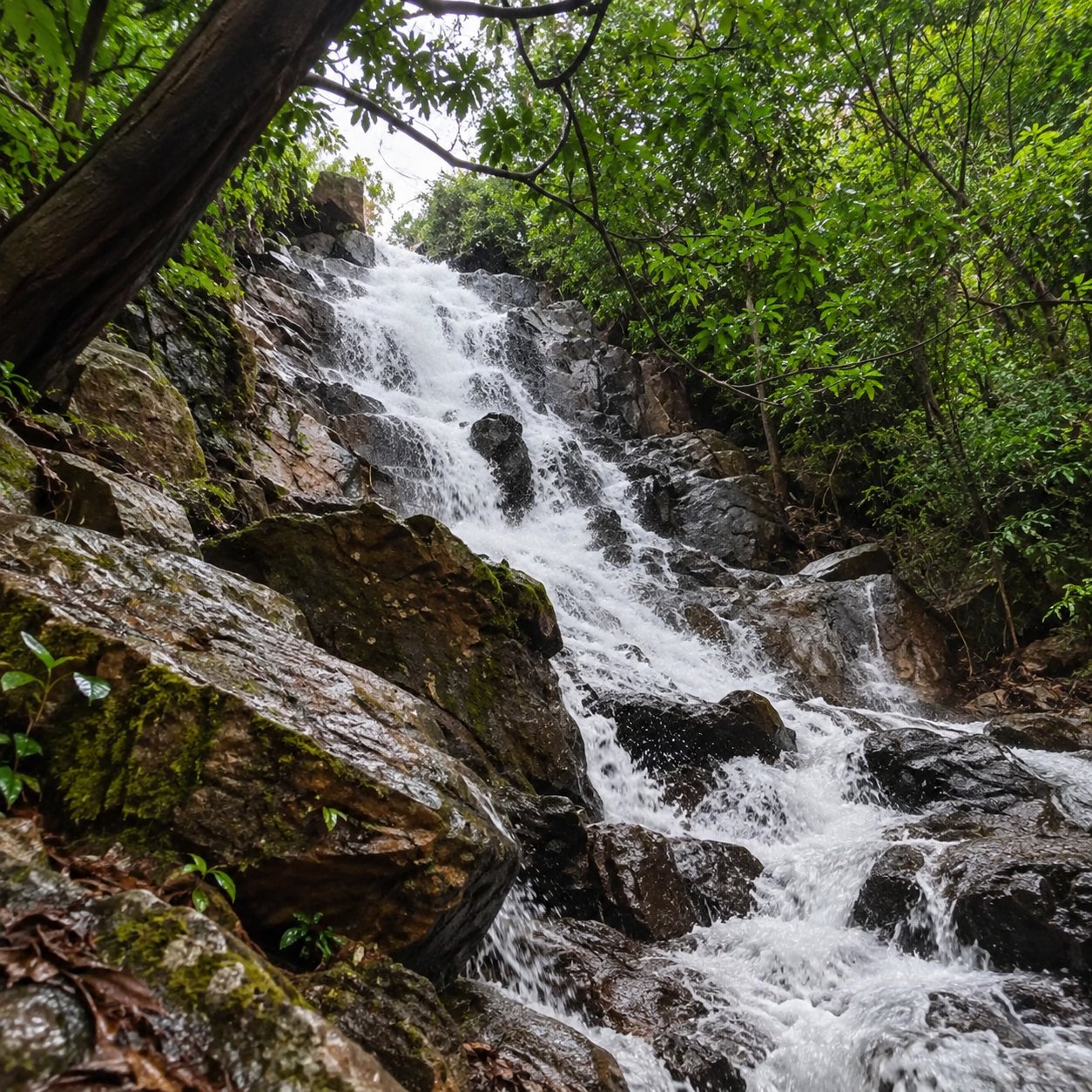
Gulnadi Falls is a lesser-known waterfall in the forested interior of the Byndoor region, away from the busy coastal belt. It is the kind of place that appeals to travellers who prefer quiet natural surroundings, forest trails and the feeling of discovering a place that has not been heavily developed for tourism.
The waterfall lies within the rugged landscape of the Western Ghats, where seasonal streams descend through rocky slopes and dense vegetation. Its character changes considerably with rainfall: during the monsoon and the months following it, the surrounding forest becomes greener and the waterfall gains much stronger flow.
The approach to Gulnadi is part of the attraction. Unlike beaches and viewpoints that can be reached directly by road, reaching the waterfall involves travelling into the interior and continuing through natural terrain.
The surroundings are predominantly forested, with streams, rocks and thick vegetation along the route. The final approach can be uneven, particularly after rainfall, so visitors should be prepared for a short nature trek rather than expecting a developed tourist walkway.
Gulnadi is at its most attractive when the surrounding streams have sufficient water. The monsoon and post-monsoon period bring life to the forest, with fresh vegetation and flowing streams adding to the atmosphere.
During the drier months, the water flow can reduce considerably. For visitors specifically interested in seeing the waterfall at its best, the period after good rainfall is generally more rewarding.
One of the appealing things about lesser-known waterfalls such as Gulnadi is the absence of a highly commercialised tourist environment.
The experience is more about travelling through the rural landscape, walking through the greenery and eventually reaching the sound of falling water. It is a good choice for visitors who enjoy nature photography, short trekking experiences and quiet places.
The coastal side of Byndoor is known for destinations such as Maravanthe, Ottinene and Someshwara, but the interior presents a completely different landscape.
Gulnadi belongs to this greener side of the region, where the influence of the Western Ghats becomes more visible. The journey from the coast towards the waterfall takes visitors through a changing landscape of villages, plantations, streams and forested hills.
Gulnadi Falls is a natural waterfall rather than a fully developed tourist attraction. There may be limited facilities near the falls, so visitors should carry essentials with them and avoid leaving plastic or other waste behind.
During rainy weather, rocks around waterfalls and streams can become extremely slippery. Strong currents and sudden changes in water level can also make pools and stream crossings dangerous. Visitors should follow local guidance and avoid entering the water when conditions are unsafe.
Post-monsoon and the early winter months are generally the most rewarding time to experience Gulnadi Falls, when the landscape remains green and the waterfall still has good water flow.
The monsoon itself can produce beautiful scenery but may make access more difficult because of slippery trails, muddy roads and swollen streams.
Gulnadi Falls is appealing precisely because it remains quiet and relatively unknown. Instead of large crowds and developed facilities, visitors get a more natural Western Ghats experience surrounded by greenery and flowing water.
For travellers exploring beyond Byndoor's famous beaches, Gulnadi offers an opportunity to discover the forest and waterfall landscape hidden further inland.
ಗುಲ್ನಾಡಿ ಜಲಪಾತ
ಬೈಂದೂರು ತಾಲೂಕಿನ ಯೆಳಜಿತ್ ಗ್ರಾಮದ ಹಸಿರು ಪರಿಸರದ ನಡುವೆ ಇರುವ ಚಿಕ್ಕದಾದ ನೈಸರ್ಗಿಕ ಜಲಪಾತವೇ ಗುಲ್ನಾಡಿ ಜಲಪಾತ. ದೊಡ್ಡ ಜಲಪಾತಗಳಂತೆ ದೂರದಿಂದಲೇ ಕಾಣಿಸುವ ತಾಣವಲ್ಲ ಇದು. ಅಡಿಕೆ ತೋಟ, ಕಾಡು ಮತ್ತು ಬೆಟ್ಟದ ಇಳಿಜಾರುಗಳ ನಡುವೆ ನೀರು ಬಂಡೆಗಳ ಮೇಲೆ ಹರಿದು ಕೆಳಕ್ಕೆ ಬೀಳುತ್ತದೆ.
ಗುಲ್ನಾಡಿಯ ವಿಶೇಷತೆ ಅದರ ಸರಳವಾದ ಪ್ರಕೃತಿ. ಜಲಪಾತದ ಕಡೆಗೆ ಸಾಗುವ ದಾರಿಯಲ್ಲಿ ಅಡಿಕೆ ತೋಟಗಳು, ಹಸಿರು ಪ್ರದೇಶ ಮತ್ತು ಸಣ್ಣ ನೀರಿನ ಹರಿವುಗಳು ಕಾಣಿಸುತ್ತವೆ. ವಾಹನದಿಂದ ಮುಂದೆ ಹೋಗಲು ಸಾಧ್ಯವಾಗದ ಭಾಗದಿಂದ ನಡೆದು ಸಾಗಬೇಕಾಗುತ್ತದೆ. ಸುಮಾರು 2–3 ಕಿ.ಮೀ. ನಡೆದು ಜಲಪಾತವನ್ನು ತಲುಪುವ ಅನುಭವ ಇಲ್ಲಿನ ಪ್ರವಾಸದ ಒಂದು ಭಾಗ.
ಮಳೆಗಾಲದಲ್ಲಿ ನೀರಿನ ಹರಿವು ಹೆಚ್ಚಾದಾಗ ಗುಲ್ನಾಡಿ ಹೆಚ್ಚು ಸುಂದರವಾಗಿ ಕಾಣುತ್ತದೆ. ಬಂಡೆಗಳ ನಡುವೆ ಹರಿಯುವ ನೀರು ಹಸಿರು ಕಾಡಿನ ನಡುವೆ ಬಿಳಿಯಾಗಿ ಕಾಣಿಸುವುದು ಇಲ್ಲಿನ ಮುಖ್ಯ ದೃಶ್ಯ. ಮಳೆ ಕಡಿಮೆಯಾದಂತೆ ಜಲಪಾತದ ನೀರಿನ ಪ್ರಮಾಣವೂ ಕಡಿಮೆಯಾಗುತ್ತದೆ.
ಗುಲ್ನಾಡಿ ಇನ್ನೂ ದೊಡ್ಡ ಮಟ್ಟದಲ್ಲಿ ಅಭಿವೃದ್ಧಿಪಡಿಸಿದ ಪ್ರವಾಸಿ ತಾಣವಾಗಿಲ್ಲ. ಜಲಪಾತವಿರುವ ಜಾಗ ಖಾಸಗಿ ಜಮೀನಿನೊಳಗೆ ಬರುತ್ತದೆ, ಆದ್ದರಿಂದ ಅಲ್ಲಿಗೆ ಹೋಗುವಾಗ ಜಮೀನಿನ ಮಾಲೀಕರ ಜಾಗ ಮತ್ತು ಕೃಷಿಗೆ ತೊಂದರೆಯಾಗದಂತೆ ನಡೆದುಕೊಳ್ಳುವುದು ಮುಖ್ಯ. ದಾರಿಯಲ್ಲಿರುವ ಗೇಟ್ಗಳನ್ನು ತೆರೆದರೆ ಮತ್ತೆ ಮುಚ್ಚುವುದು, ತೋಟಕ್ಕೆ ಹಾನಿ ಮಾಡದಿರುವುದು ಮತ್ತು ಕಸ ಬಿಟ್ಟುಬರದಿರುವುದು ಅಗತ್ಯ.
ದೊಡ್ಡ ಜಲಪಾತದ ನಿರೀಕ್ಷೆಯೊಂದಿಗೆ ಹೋಗುವುದಕ್ಕಿಂತ, ಯೆಳಜಿತ್ನ ಹಸಿರು ಪರಿಸರದ ನಡುವೆ ನಡೆದು ಒಂದು ಸಣ್ಣ ನೈಸರ್ಗಿಕ ಜಲಧಾರೆಯನ್ನು ಕಂಡುಕೊಳ್ಳುವ ಅನುಭವಕ್ಕಾಗಿ ಹೋಗಬೇಕಾದ ಸ್ಥಳವೇ ಗುಲ್ನಾಡಿ ಜಲಪಾತ.
🚆 By train: Nearest Railway Station Byndoor Mookambika Road Railway Station about 14km.
✈️ By air: Mangalore International Airport about 138km
October – January (post-monsoon): Less water flow
June – September (monsoon): Good water flow in this season only
February – May (summer): Dry
| Guides | Available at Yaljith |
|---|---|
| Mobile network | Very limited |
| Restrooms | Not available |