Situated conveniently along the coastal highway corridor between Kundapura and Byndoor in Nagoor (Kirminjiswara village), the Sri Veera Hanuman Temple is a striking spiritual landmark dominated by a magnificent monolithic-style, towering statue of Lord Hanuman. Often noted for its architectural inspiration drawn from prominent Hanuman shrines, the temple complex serves as an oasis of deep devotion and calm away from the highway rush. The outer walls, ceilings, and sanctum structures are intricately adorned with detailed Ramayana-themed artwork, vibrant traditional carvings, and secondary shrines dedicated to Lord Rama, Sita, Lakshmana, and regional protective deities. It stands out as an active spiritual sanctuary where travelers frequently pause to seek strength, health, and safe journeys.
ಉಡುಪಿ ಜಿಲ್ಲೆಯ ಬೈಂದೂರು ತಾಲ್ಲೂಕಿನ ನಾಗೂರು ಪ್ರದೇಶದಲ್ಲಿ ನೆಲೆಗೊಂಡಿರುವ ಶ್ರೀ ವೀರ ಹನುಮಾನ್ ದೇವಸ್ಥಾನವು ಕರಾವಳಿ ಕರ್ನಾಟಕದ ಅತ್ಯಂತ ಭಕ್ತಿಪೂರ್ವಕ ಹಾಗೂ ಪ್ರಮುಖ ಧಾರ್ಮಿಕ ಕೇಂದ್ರಗಳಲ್ಲಿ ಒಂದಾಗಿದೆ. ರಾಷ್ಟ್ರೀಯ ಹೆದ್ದಾರಿಗೆ ಸಮೀಪದಲ್ಲೇ ಇರುವ ಈ ಕ್ಷೇತ್ರವು ಸ್ಥಳೀಯ ಭಕ್ತರ ಪಾಲಿಗೆ ಅಪಾರ ನಂಬಿಕೆ ಹಾಗೂ ಶ್ರದ್ಧೆಯ ತಾಣವಾಗಿದೆ. ದೇವಸ್ಥಾನದ ಆವರಣವು ಅತ್ಯಂತ ಸ್ವಚ್ಛ ಹಾಗೂ ಶಾಂತಿಯುತ ವಾತಾವರಣದಿಂದ ಕೂಡಿದ್ದು, ಭಕ್ತರಿಗೆ ದೇವರ ದರ್ಶನ ಪಡೆಯಲು ಅತ್ಯಂತ ಪ್ರಶಾಂತ ಅನುಭವವನ್ನು ನೀಡುತ್ತದೆ.
ಈ ದೇವಸ್ಥಾನದ ಗರ್ಭಗುಡಿಯಲ್ಲಿ ವಿರಾಜಮಾನರಾಗಿರುವ ವೀರ ಹನುಮಂತ ಸ್ವಾಮಿಯ ಭವ್ಯ ಮೂರ್ತಿಯು ಭಕ್ತರ ಕಷ್ಟಗಳನ್ನು ನಿವಾರಿಸುವ ಧೈರ್ಯ ಹಾಗೂ ಸಂಕಷ್ಟಹರ ದೇವತೆಯಾಗಿ ಪೂಜಿಸಲ್ಪಡುತ್ತದೆ. ಹನುಮ ಜಯಂತಿ ಹಾಗೂ ವಾರ್ಷಿಕ ಉತ್ಸವಗಳ ಸಂದರ್ಭದಲ್ಲಿ ಈ ದೇವಾಲಯಕ್ಕೆ ಅಕ್ಕಪಕ್ಕದ ಊರುಗಳಿಂದ ಸಾವಿರಾರು ಸಂಖ್ಯೆಯಲ್ಲಿ ಭಕ್ತರು ಆಗಮಿಸಿ ವಿಶೇಷ ಪೂಜೆಗಳನ್ನು ಸಲ್ಲಿಸುತ್ತಾರೆ. ಬೈಂದೂರು ಪ್ರದೇಶದ ಪ್ರಮುಖ ಆಧ್ಯಾತ್ಮಿಕ ಹಾಗೂ ಸಾಂಸ್ಕೃತಿಕ ಕೇಂದ್ರಗಳಲ್ಲಿ ಒಂದಾಗಿರುವ ಈ ದೇವಸ್ಥಾನಕ್ಕೆ ಭೇಟಿ ನೀಡುವುದು ಮನಸ್ಸಿಗೆ ಅಪಾರ ನೆಮ್ಮದಿಯನ್ನು ತಂದುಕೊಡುತ್ತದೆ.
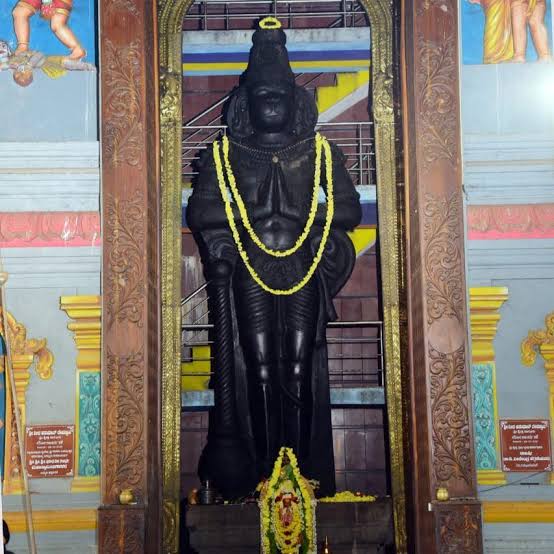
Sri Veera Hanuman Temple, Nagooru
Sri Veera Hanuman Temple at Nagooru, in Byndoor Taluk of Udupi district, is one of the distinctive Hanuman temples along the coastal Karnataka route. The temple is particularly easy to recognize because of its 27-foot-tall monolithic Hanuman idol, which stands prominently near the highway.
The temple is built around the worship of Lord Hanuman, but there is considerably more to see within the premises. A Ramayana-themed interior, shrines dedicated to Rama, Sita and Lakshmana, and several other deities give the temple a broader religious character.
For travellers passing through Nagooru, the towering Hanuman idol is usually the first thing that catches the eye. A closer look at the temple reveals its connection with Ramayana traditions and several forms of worship that are followed here.
The central attraction of the temple is the 27-foot-high Veera Hanuman idol carved from a single stone.
Hanuman is depicted standing upright with his right hand raised in the abhaya mudra, giving the idol a strong yet protective appearance. The scale of the sculpture makes it visible from a considerable distance, particularly to people travelling along the nearby highway.
The idol was consecrated in January 2012 in the presence of Jagadguru Sri Sri Bharati Tirtha Mahaswamiji of Sringeri Sharada Peetham. The consecration marked an important stage in the development of the present temple.
Unlike a small traditional Hanuman shrine where the deity is viewed mainly from within a sanctum, the scale of this sculpture gives the temple a very different visual identity. The towering figure forms the main landmark of the Nagooru temple complex.
The connection between Hanuman and Lord Rama is reflected throughout the temple.
Inside the main hall, paintings and decorative panels depicting episodes from the Ramayana add a narrative element to the temple. The artwork provides scenes associated with Rama's life and Hanuman's role in the epic.
This makes the interior worth observing after darshan. The temple does not rely entirely on the large exterior idol to tell the story of Hanuman; the Ramayana theme continues through the artwork inside the building.
The presence of these scenes also makes the temple interesting for children and families who want to introduce younger visitors to the basic characters and episodes of the Ramayana.
A separate shrine dedicated to Sri Rama, Sita and Lakshmana is located within the temple premises.
The arrangement has a natural connection with the principal deity. Hanuman's identity as Rama's devotee is central to his place in the Ramayana, and the presence of Rama, Sita and Lakshmana alongside the main Hanuman shrine reinforces that connection.
For visitors interested in the religious layout of the temple, this is one of the more meaningful details to notice. The temple presents Hanuman not as an isolated deity but within the larger Ramayana tradition in which he serves Rama.
The temple complex also contains shrines dedicated to several other deities. These include Shiva and Parvati, Ganesha, Ayyappa, Shani and Nagaraja.
The Nagaraja shrine is particularly relevant in the coastal Karnataka setting, where serpent worship has a long-standing place in local religious traditions.
Devotees can therefore visit several shrines during the same temple visit. The combination of Hanuman worship with Shiva, Shakti, Ganesha, Ayyappa, Shani and Naga worship gives the complex a wider devotional character than its name alone suggests.
Hanuman Abhisheka is one of the principal worship services performed at the temple.
The ritual includes traditional offerings and chanting associated with Hanuman worship. Recitation of the 108 names of Hanuman forms part of the service, adding a formal devotional element to the abhisheka.
Devotees can participate in such services according to the temple's prescribed arrangements. The worship schedule and available services can vary, so visitors planning a specific seva should check the temple's current arrangements.
Saturday has a particular association with Hanuman worship, and the temple conducts Vadamala Archana as one of its notable services.
A garland made from vadas is offered to Hanuman as part of the seva. The offering is prepared at the temple and used for the special worship of the deity.
Vadamala is a familiar form of Hanuman worship in South India, but seeing the ritual being performed at a large Hanuman shrine such as this adds another dimension to the visit.
The Nagaraja shrine within the temple is another feature worth noticing.
Serpent worship has deep roots in the religious traditions of coastal Karnataka. Nagabana and Naga shrines are found across the coastal belt, and offerings to serpent deities form part of many family and community traditions.
At Nagooru, this tradition exists within the same temple complex as the Veera Hanuman shrine. Devotees can offer worship to Nagaraja, including milk abhisheka and other prescribed services.
This combination of Hanuman worship and Naga worship reflects the wider religious landscape of the coastal region.
The present temple's most recognizable feature is comparatively recent: the 27-foot monolithic Hanuman was consecrated in 2012.
This is important when understanding the temple's identity. It is not primarily known for an ancient stone temple structure or centuries-old architectural monuments. Its prominence today comes largely from the monumental Hanuman sculpture and the temple complex that developed around it.
The result is a temple that combines a contemporary large-scale religious sculpture with traditional Hindu worship, Ramayana imagery and several established devotional practices.
Nagooru lies along the coastal belt between Kundapura and Byndoor. The temple's position close to the highway makes it a familiar landmark for people travelling through this part of Udupi district.
The surrounding landscape retains the character of coastal Karnataka, with coconut trees, settlements, agricultural areas and the greenery typical of the region.
The temple therefore has a simple geographical identity: a prominent Hanuman shrine situated within a coastal village environment, with its large idol creating a strong visual landmark beside the highway.
The most distinctive feature of Sri Veera Hanuman Temple is undoubtedly its 27-foot monolithic Hanuman statue. But the temple's identity goes beyond its size.
The Ramayana artwork inside the temple gives the visit a narrative dimension. The presence of Rama, Sita and Lakshmana connects directly with Hanuman's role as Rama's devotee. The additional shrines for Shiva and Parvati, Ganesha, Ayyappa, Shani and Nagaraja broaden the religious character of the complex.
The worship traditions add another layer. Hanuman Abhisheka and Saturday Vadamala Seva are important services, while Nagaraja worship connects the temple with the serpent-worship traditions that are deeply rooted in the coastal belt.
For someone travelling through Nagooru, the temple is therefore more than a landmark identified by a large statue. It is a compact religious complex where Hanuman worship, Ramayana tradition, Naga worship and several other Hindu devotional practices come together.
The 27-foot sculpture may be what brings the temple into view, but the shrines, artwork and worship traditions are what give Sri Veera Hanuman Temple its distinct character.
ಶ್ರೀ ವೀರ ಹನುಮಾನ್ ದೇವಸ್ಥಾನ, ನಾಗೂರು
ಬೈಂದೂರು ತಾಲೂಕಿನ ನಾಗೂರಿನಲ್ಲಿರುವ ಶ್ರೀ ವೀರ ಹನುಮಾನ್ ದೇವಸ್ಥಾನ ಈ ಭಾಗದಲ್ಲಿ ಎದ್ದು ಕಾಣುವ ಹನುಮಾನ್ ಕ್ಷೇತ್ರಗಳಲ್ಲಿ ಒಂದು. ರಾಷ್ಟ್ರೀಯ ಹೆದ್ದಾರಿ 66ರ ಸಮೀಪದಲ್ಲಿರುವುದರಿಂದ ಕುಂದಾಪುರ–ಬೈಂದೂರು ಮಾರ್ಗದಲ್ಲಿ ಸಂಚರಿಸುವಾಗಲೇ ದೇವಸ್ಥಾನದ ಪ್ರಮುಖ ಆಕರ್ಷಣೆಯಾದ ಭವ್ಯ ಹನುಮಾನ್ ಮೂರ್ತಿ ಗಮನ ಸೆಳೆಯುತ್ತದೆ.
ಈ ಕ್ಷೇತ್ರದ ಪ್ರಮುಖ ಗುರುತು 27 ಅಡಿ ಎತ್ತರದ ವೀರ ಹನುಮಾನ್ ಮೂರ್ತಿ. ಒಂದೇ ಕಲ್ಲಿನಿಂದ ರೂಪುಗೊಂಡಿರುವ ಈ ಏಕಶಿಲಾ ಮೂರ್ತಿ ನಿಂತ ಭಂಗಿಯಲ್ಲಿದ್ದು, ಬಲಗೈಯನ್ನು ಅಭಯ ಮುದ್ರೆಯಲ್ಲಿ ಎತ್ತಿ ಭಕ್ತರನ್ನು ಆಶೀರ್ವದಿಸುವ ರೂಪದಲ್ಲಿದೆ. ಮೂರ್ತಿಯ ಎತ್ತರ ಮತ್ತು ಅದರ ಭವ್ಯವಾದ ರೂಪವೇ ನಾಗೂರು ವೀರ ಹನುಮಾನ್ ಕ್ಷೇತ್ರವನ್ನು ದೂರದಿಂದಲೂ ಗುರುತಿಸುವಂತೆ ಮಾಡುತ್ತದೆ. ಶ್ರೀ ಶೃಂಗೇರಿ ಶಾರದಾ ಪೀಠದ ಜಗದ್ಗುರು ಶ್ರೀ ಶ್ರೀ ಭಾರತೀ ತೀರ್ಥ ಮಹಾಸ್ವಾಮೀಜಿ ಅವರು 2012ರ ಜನವರಿ 26ರಂದು ಈ 27 ಅಡಿ ಏಕಶಿಲಾ ವೀರ ಹನುಮಾನ್ ಮೂರ್ತಿಯ ಪ್ರತಿಷ್ಠಾ ಕುಂಭಾಭಿಷೇಕವನ್ನು ನೆರವೇರಿಸಿದ್ದರು.
ದೇವಾಲಯದ ಮುಖ್ಯ ಸನ್ನಿಧಿಯಲ್ಲಿರುವ ಹನುಮಾನ್ ಮೂರ್ತಿಯನ್ನು ಶ್ರೀ ವೀರ ಹನುಮಾನ್ ಎಂದು ಆರಾಧಿಸಲಾಗುತ್ತದೆ. ಮೂರ್ತಿಯ ಭಂಗಿ ಇಲ್ಲಿ ಗಮನ ಸೆಳೆಯುವ ಪ್ರಮುಖ ಅಂಶ. ನಿಂತಿರುವ ಹನುಮಂತನ ಬಲಗೈ ಅಭಯ ಮುದ್ರೆಯಲ್ಲಿದ್ದು, ಮುಖದಲ್ಲಿ ವೀರಭಾವದ ಜೊತೆಗೆ ಭಕ್ತರನ್ನು ಕರುಣೆಯಿಂದ ನೋಡುವ ರೂಪವನ್ನು ಹೊಂದಿದೆ.
ಈ ಮೂರ್ತಿಯ ಹಿಂದೆ ರಾಮಾಯಣದ ಕಥೆಯನ್ನು ನೆನಪಿಸುವ ರೀತಿಯ ದೇವಾಲಯದ ಒಳಾಂಗಣದ ಅಲಂಕಾರಗಳಿವೆ. ಮುಖ್ಯ ಮಂಟಪದ ಮೇಲ್ಚಾವಣಿ ಮತ್ತು ಗೋಡೆಗಳಲ್ಲಿ ರಾಮಾಯಣದ ವಿವಿಧ ಘಟನೆಗಳನ್ನು ಚಿತ್ರಗಳ ಮೂಲಕ ಮೂಡಿಸಲಾಗಿದೆ. ಹನುಮಂತನ ಜೀವನ ಮತ್ತು ಶ್ರೀರಾಮನೊಂದಿಗಿನ ಅವನ ಸಂಬಂಧವನ್ನು ದೇವಾಲಯದ ಒಳಾಂಗಣದಲ್ಲಿಯೇ ನೋಡಬಹುದಾಗಿದೆ.
ಹೀಗಾಗಿ ಇಲ್ಲಿ ಹನುಮಂತನ ಭವ್ಯ ಮೂರ್ತಿ ಮಾತ್ರ ಗಮನಿಸಬೇಕಾದ ವಿಷಯವಲ್ಲ. ಮೂರ್ತಿಯ ಸುತ್ತಲಿನ ಕಲಾತ್ಮಕ ವಿನ್ಯಾಸಗಳಲ್ಲೂ ರಾಮಾಯಣದ ಕಥಾನಕವನ್ನು ಪರಿಚಯಿಸುವ ಪ್ರಯತ್ನ ಕಾಣಿಸುತ್ತದೆ.
ವೀರ ಹನುಮಾನ್ ದೇವಸ್ಥಾನದ ಆವರಣದಲ್ಲಿ ಶ್ರೀರಾಮ, ಸೀತೆ ಮತ್ತು ಲಕ್ಷ್ಮಣರ ಸನ್ನಿಧಿ ಕೂಡ ಇದೆ. ಹನುಮಂತನ ಆರಾಧನೆಯನ್ನು ರಾಮಭಕ್ತಿಯೊಂದಿಗೆ ಸಂಪರ್ಕಿಸುವ ಈ ವಿನ್ಯಾಸ ಕ್ಷೇತ್ರದ ಧಾರ್ಮಿಕ ಸ್ವರೂಪಕ್ಕೆ ಸೂಕ್ತವಾಗಿದೆ.
ಹನುಮಂತನು ರಾಮನ ಪರಮಭಕ್ತನಾಗಿ ರಾಮಾಯಣದಲ್ಲಿ ಪ್ರಮುಖ ಪಾತ್ರ ವಹಿಸುತ್ತಾನೆ. ಆದ್ದರಿಂದ ಮುಖ್ಯ ಹನುಮಾನ್ ಸನ್ನಿಧಿಯ ಜೊತೆಗೆ ರಾಮ, ಸೀತೆ ಮತ್ತು ಲಕ್ಷ್ಮಣರ ಸನ್ನಿಧಿ ಇರುವುದರಿಂದ ದೇವಾಲಯಕ್ಕೆ ಬಂದಾಗ ರಾಮಾಯಣದ ಈ ಸಂಬಂಧವನ್ನು ಒಂದೇ ಆವರಣದಲ್ಲಿ ಕಾಣಬಹುದು.
ದೇವಾಲಯದ ಸುತ್ತಲೂ ಇನ್ನೂ ಕೆಲವು ಸಣ್ಣ ಸನ್ನಿಧಿಗಳಿವೆ. ಶಿವ–ಪಾರ್ವತಿ, ಗಣಪತಿ, ಅಯ್ಯಪ್ಪ, ಶನೈಶ್ವರ ಮತ್ತು ನಾಗರಾಜ ಮುಂತಾದ ದೇವರ ಆರಾಧನೆಯೂ ಇಲ್ಲಿ ನಡೆಯುತ್ತದೆ. ಇದರಿಂದ ದೇವಸ್ಥಾನದ ಆವರಣವು ಕೇವಲ ಹನುಮಾನ್ ಸನ್ನಿಧಿಗೆ ಸೀಮಿತವಾಗದೆ ಹಲವು ದೇವತಾ ಸನ್ನಿಧಿಗಳನ್ನು ಒಳಗೊಂಡಿದೆ.
ಈ ಕ್ಷೇತ್ರದಲ್ಲಿ ಗಮನಿಸಬೇಕಾದ ಮತ್ತೊಂದು ಸನ್ನಿಧಿ ಶ್ರೀ ನಾಗರಾಜ ಸ್ವಾಮಿ.
ಹನುಮಾನ್ ದರ್ಶನದ ನಂತರ ನಾಗರಾಜ ಸ್ವಾಮಿಗೆ ಪೂಜೆ ಸಲ್ಲಿಸುವ ಪದ್ಧತಿ ಇಲ್ಲಿ ಇದೆ. ನಾಗದೇವರಿಗೆ ಹಾಲಿನ ಅಭಿಷೇಕ ಸೇರಿದಂತೆ ವಿವಿಧ ಪೂಜಾ ಸೇವೆಗಳನ್ನು ಭಕ್ತರು ಸಲ್ಲಿಸುತ್ತಾರೆ. ಹನುಮಾನ್ ಆರಾಧನೆಯ ಜೊತೆಗೆ ನಾಗಾರಾಧನೆಯೂ ಒಂದೇ ದೇವಸ್ಥಾನದ ಆವರಣದಲ್ಲಿ ನಡೆಯುತ್ತಿರುವುದು ಕರಾವಳಿ ಪ್ರದೇಶದ ಧಾರ್ಮಿಕ ಸಂಸ್ಕೃತಿಯೊಂದಿಗೆ ಹೊಂದಿಕೊಳ್ಳುತ್ತದೆ.
ಕರಾವಳಿ ಕರ್ನಾಟಕದಲ್ಲಿ ನಾಗಾರಾಧನೆಗೆ ವಿಶೇಷ ಸ್ಥಾನವಿದೆ. ನಾಗಬನ, ನಾಗದೇವರ ಸನ್ನಿಧಿ ಮತ್ತು ನಾಗಪೂಜೆಗಳು ಗ್ರಾಮೀಣ ಧಾರ್ಮಿಕ ಬದುಕಿನ ಭಾಗವಾಗಿರುವ ಪ್ರದೇಶದಲ್ಲಿ ನಾಗೂರಿನ ಈ ದೇವಸ್ಥಾನದಲ್ಲಿಯೂ ನಾಗರಾಜ ಸನ್ನಿಧಿ ತನ್ನದೇ ಆದ ಸ್ಥಾನ ಪಡೆದಿದೆ.
ದೇವಾಲಯದಲ್ಲಿ ಹನುಮಾನ್ ಅಭಿಷೇಕ ಪ್ರಮುಖ ಪೂಜಾ ಸೇವೆಗಳಲ್ಲಿ ಒಂದು. ಅಭಿಷೇಕದ ಸಂದರ್ಭದಲ್ಲಿ ಮಂತ್ರೋಚ್ಚಾರಣೆಯೊಂದಿಗೆ ಹಾಲು, ಮೊಸರು, ಬೆಣ್ಣೆ ಮುಂತಾದ ದ್ರವ್ಯಗಳಿಂದ ಅಭಿಷೇಕ ಮಾಡಲಾಗುತ್ತದೆ. ಹನುಮಂತನ 108 ನಾಮಗಳನ್ನು ಪಠಿಸುವ ಪದ್ಧತಿಯೂ ಈ ಸೇವೆಯ ಭಾಗವಾಗಿದೆ.
ಹನುಮಂತನಿಗೆ ವಿಶೇಷವಾಗಿ ಪೂಜೆ ಸಲ್ಲಿಸಲು ಬರುವ ಭಕ್ತರಿಗೆ ಈ ಅಭಿಷೇಕ ಸೇವೆ ಪ್ರಮುಖವಾಗಿದೆ. ದೇವರ ಸನ್ನಿಧಿಯಲ್ಲಿ ನಡೆಯುವ ನಿತ್ಯಪೂಜೆಯ ಜೊತೆಗೆ ಭಕ್ತರು ತಮ್ಮ ಹರಕೆಯಂತೆ ವಿವಿಧ ಸೇವೆಗಳನ್ನು ಸಲ್ಲಿಸಬಹುದು.
ವೀರ ಹನುಮಾನ್ ದೇವಸ್ಥಾನದಲ್ಲಿ ವಡಮಾಲೆ ಅರ್ಚನೆಗೆ ವಿಶೇಷ ಸ್ಥಾನವಿದೆ. ಶನಿವಾರದಂದು ದೇವಸ್ಥಾನದಲ್ಲಿಯೇ ತಯಾರಿಸಲಾದ ವಡಮಾಲೆಯನ್ನು ಹನುಮಂತನಿಗೆ ಅರ್ಪಿಸುವ ವ್ಯವಸ್ಥೆ ಇದೆ. ಅಭಿಷೇಕದ ನಂತರ ಹೂವು ಮತ್ತು ವೀಳ್ಯದೆಲೆಗಳಿಂದ ಅಲಂಕಾರ ಮಾಡಿ ಹನುಮಂತನಿಗೆ ವಿಶೇಷ ಪೂಜೆ ಸಲ್ಲಿಸಲಾಗುತ್ತದೆ.
ಹನುಮಾನ್ ದೇವಸ್ಥಾನಗಳಿಗೆ ವಡಮಾಲೆ ಅರ್ಪಿಸುವುದು ದಕ್ಷಿಣ ಭಾರತದ ಹಲವೆಡೆ ಕಂಡುಬರುವ ಪ್ರಸಿದ್ಧ ಆಚರಣೆ. ನಾಗೂರಿನ ಕ್ಷೇತ್ರದಲ್ಲಿಯೂ ಈ ಸೇವೆ ನಿಯಮಿತವಾಗಿ ನಡೆಯುತ್ತದೆ.
ಹನುಮಾನ್ ಅಭಿಷೇಕ ಮತ್ತು ವಡಮಾಲೆಯ ಜೊತೆಗೆ ಗಣೇಶ ಅಭಿಷೇಕ, ಅಯ್ಯಪ್ಪ ಅಭಿಷೇಕ ಮತ್ತು ನವಗ್ರಹ ಪೂಜೆಗಳೂ ಇಲ್ಲಿ ನಡೆಯುತ್ತವೆ. ಇದರಿಂದ ದೇವಸ್ಥಾನದ ಆವರಣದಲ್ಲಿ ಹಲವು ದೇವತಾ ಆರಾಧನೆಗಳಿಗೆ ಅವಕಾಶವಿದೆ.
ನವಗ್ರಹ ಪೂಜೆ ಸಲ್ಲಿಸುವ ಭಕ್ತರು ಒಂಬತ್ತು ಗ್ರಹಗಳಿಗೆ ಸಂಬಂಧಿಸಿದ ಪೂಜಾ ವಿಧಿಗಳನ್ನು ನೆರವೇರಿಸುತ್ತಾರೆ. ದೇವಸ್ಥಾನದಲ್ಲಿ ನಡೆಯುವ ಈ ಸೇವೆಗಳು ಭಕ್ತರ ವಿವಿಧ ಹರಕೆ ಮತ್ತು ಧಾರ್ಮಿಕ ಆಚರಣೆಗಳಿಗೆ ಅನುಗುಣವಾಗಿ ರೂಪುಗೊಂಡಿವೆ.
ನಾಗೂರು ವೀರ ಹನುಮಾನ್ ದೇವಸ್ಥಾನಕ್ಕೆ ಪ್ರವೇಶಿಸಿದಾಗ ಮುಖ್ಯ ಮಂಟಪದ ಒಳಾಂಗಣದಲ್ಲಿರುವ ರಾಮಾಯಣದ ಚಿತ್ರಣ ಗಮನ ಸೆಳೆಯುತ್ತದೆ.
ಹನುಮಂತನ ಜೀವನವನ್ನು ಕೇವಲ ಮೂರ್ತಿಯ ಮೂಲಕ ತೋರಿಸುವ ಬದಲು ರಾಮಾಯಣದ ಪ್ರಮುಖ ಘಟನೆಗಳನ್ನು ಚಿತ್ರಕಲೆಯ ಮೂಲಕ ಪರಿಚಯಿಸಲಾಗಿದೆ. ಶ್ರೀರಾಮನ ಸೇವೆಯಲ್ಲಿ ಹನುಮಂತನ ಪಾತ್ರ, ಲಂಕೆಗೆ ತೆರಳಿದ ಸಂದರ್ಭ, ರಾಮಾಯಣದ ವಿವಿಧ ಪ್ರಸಂಗಗಳು ಮುಂತಾದವುಗಳನ್ನು ದೇವಾಲಯದ ಅಲಂಕಾರದಲ್ಲಿ ಕಾಣಬಹುದು.
ಈ ಚಿತ್ರಣಗಳು ಮಕ್ಕಳಿಗೂ ರಾಮಾಯಣದ ಕಥೆಗಳನ್ನು ಪರಿಚಯಿಸುವ ರೀತಿಯಲ್ಲಿ ಸಹಾಯಕವಾಗುತ್ತವೆ. ದೇವಾಲಯಕ್ಕೆ ಬರುವಾಗ ಮುಖ್ಯ ಮೂರ್ತಿಯ ದರ್ಶನದ ನಂತರ ಮೇಲ್ಚಾವಣಿ ಮತ್ತು ಗೋಡೆಗಳ ಕಲಾಕೃತಿಗಳನ್ನು ಸ್ವಲ್ಪ ಸಮಯ ಗಮನಿಸಿದರೆ ಈ ಭಾಗದ ವಿಶೇಷತೆ ಸ್ಪಷ್ಟವಾಗಿ ಕಾಣುತ್ತದೆ.
ನಾಗೂರಿನ ಇಂದಿನ ವೀರ ಹನುಮಾನ್ ದೇವಸ್ಥಾನದ ಪ್ರಮುಖ ಬೆಳವಣಿಗೆ 27 ಅಡಿ ಏಕಶಿಲಾ ಮೂರ್ತಿಯ ಪ್ರತಿಷ್ಠೆಯೊಂದಿಗೆ ಸಂಬಂಧಿಸಿದೆ. ದೇವಾಲಯ ನಿರ್ಮಾಣದ ಕಾರ್ಯವನ್ನು ಭಕ್ತರ ನೇತೃತ್ವದಲ್ಲಿ ನಡೆಸಲಾಗಿದ್ದು, ಶ್ರೀ ಶೃಂಗೇರಿ ಜಗದ್ಗುರುಗಳ ಆಶೀರ್ವಾದ ಮತ್ತು ಮಾರ್ಗದರ್ಶನದಲ್ಲಿ ಕಾರ್ಯ ಮುಂದುವರಿಯಿತು. 2012ರ ಜನವರಿ 26ರಂದು ಪ್ರತಿಷ್ಠಾ ಕುಂಭಾಭಿಷೇಕ ನೆರವೇರಿತು.
ಈ ಪ್ರತಿಷ್ಠೆಯ ನಂತರ ನಾಗೂರು ವೀರ ಹನುಮಾನ್ ಕ್ಷೇತ್ರವು ದೊಡ್ಡ ಹನುಮಾನ್ ಮೂರ್ತಿಗಾಗಿ ವಿಶೇಷವಾಗಿ ಗುರುತಿಸಿಕೊಂಡಿತು. ಇಂದು ನಾಗೂರು ಮಾರ್ಗವಾಗಿ ಸಂಚರಿಸುವಾಗ ದೂರದಿಂದಲೇ ಕಾಣಿಸುವ 27 ಅಡಿ ಮೂರ್ತಿಯೇ ಕ್ಷೇತ್ರದ ಪ್ರಮುಖ ದೃಶ್ಯ ಗುರುತಾಗಿದೆ.
ನಾಗೂರು ಕುಂದಾಪುರ ಮತ್ತು ಬೈಂದೂರು ನಡುವಿನ ಕರಾವಳಿ ಪ್ರದೇಶದಲ್ಲಿರುವ ಗ್ರಾಮ. ರಾಷ್ಟ್ರೀಯ ಹೆದ್ದಾರಿ 66ರ ಸಮೀಪದಲ್ಲಿರುವುದರಿಂದ ಇಲ್ಲಿ ರಸ್ತೆ ಸಂಪರ್ಕ ಉತ್ತಮವಾಗಿದೆ. ಆದರೆ ದೇವಸ್ಥಾನದ ಸುತ್ತಲಿನ ಪರಿಸರದಲ್ಲಿ ಕರಾವಳಿ ಕರ್ನಾಟಕದ ಗ್ರಾಮೀಣ ಸ್ವರೂಪ ಇನ್ನೂ ಕಾಣಿಸುತ್ತದೆ.
ತೆಂಗು, ಅಡಿಕೆ ಮತ್ತು ಹಸಿರು ಪ್ರದೇಶಗಳ ನಡುವೆ ಇರುವ ಗ್ರಾಮೀಣ ವಾತಾವರಣಕ್ಕೆ ಹನುಮಾನ್ ದೇವಸ್ಥಾನದ ಭವ್ಯ ಮೂರ್ತಿ ವಿಭಿನ್ನ ದೃಶ್ಯವನ್ನು ನೀಡುತ್ತದೆ. ಹೆದ್ದಾರಿಯಲ್ಲಿ ಸಂಚರಿಸುವವರಿಗೆ ಇದು ಸುಲಭವಾಗಿ ಗಮನಿಸುವಂತಹ ಪ್ರಮುಖ ಗುರುತಾಗಿದೆ.
ದೇವಾಲಯದ ಆವರಣದಲ್ಲಿ ಭಕ್ತರು ಕುಳಿತುಕೊಳ್ಳಲು ಮುಕ್ತ ಸ್ಥಳವೂ ಇದೆ. ಹೀಗಾಗಿ ದರ್ಶನದ ನಂತರ ಸ್ವಲ್ಪ ಸಮಯ ದೇವಸ್ಥಾನದ ಆವರಣದಲ್ಲಿ ಕಳೆಯಬಹುದು.
ನಾಗೂರಿನ ಶ್ರೀ ವೀರ ಹನುಮಾನ್ ದೇವಸ್ಥಾನದ ಪ್ರಮುಖ ಗುರುತು ಒಂದೇ ವಿಷಯದಲ್ಲಿಲ್ಲ. 27 ಅಡಿ ಏಕಶಿಲಾ ಹನುಮಾನ್ ಮೂರ್ತಿ, ಅದರ ಸುತ್ತಲಿನ ರಾಮಾಯಣ ಚಿತ್ರಣ, ರಾಮ–ಸೀತೆ–ಲಕ್ಷ್ಮಣರ ಸನ್ನಿಧಿ, ನಾಗರಾಜ ಸ್ವಾಮಿ, ಶಿವ–ಪಾರ್ವತಿ, ಗಣಪತಿ, ಅಯ್ಯಪ್ಪ ಮತ್ತು ಶನೈಶ್ವರ ಸನ್ನಿಧಿಗಳು ಈ ಕ್ಷೇತ್ರದ ಸಂಪೂರ್ಣ ರೂಪವನ್ನು ಕಟ್ಟಿಕೊಡುತ್ತವೆ.
ಇದರ ಜೊತೆಗೆ ಹನುಮಾನ್ ಅಭಿಷೇಕ, ಶನಿವಾರದ ವಡಮಾಲೆ ಅರ್ಚನೆ ಮತ್ತು ನವಗ್ರಹ ಪೂಜೆಯಂತಹ ಸೇವೆಗಳು ನಿರಂತರವಾಗಿ ನಡೆಯುತ್ತವೆ.
ನಾಗೂರಿನ ಈ ದೇವಸ್ಥಾನಕ್ಕೆ ಬಂದಾಗ ಮುಖ್ಯವಾಗಿ ಗಮನಿಸಬೇಕಾದದ್ದು ಅದರ 27 ಅಡಿ ಎತ್ತರದ ಏಕಶಿಲಾ ವೀರ ಹನುಮಾನ್ ಮೂರ್ತಿ ಮತ್ತು ರಾಮಾಯಣವನ್ನು ಆಧರಿಸಿದ ದೇವಾಲಯದ ಒಳಾಂಗಣ. ಅದರ ಜೊತೆಗೆ ಆವರಣದಲ್ಲಿರುವ ವಿವಿಧ ಸನ್ನಿಧಿಗಳು ಮತ್ತು ನಾಗಾರಾಧನೆಯ ಪರಂಪರೆ ಈ ಕ್ಷೇತ್ರಕ್ಕೆ ಪ್ರತ್ಯೇಕ ಗುರುತನ್ನು ನೀಡುತ್ತವೆ.
ಕರಾವಳಿ ಭಾಗದ ಹೆದ್ದಾರಿ ಪ್ರಯಾಣದಲ್ಲಿ ದೂರದಿಂದಲೇ ಕಾಣಿಸುವ ಭವ್ಯ ಹನುಮಾನ್ ಮೂರ್ತಿಯಿಂದ ಆರಂಭವಾಗುವ ಈ ಕ್ಷೇತ್ರದ ಪರಿಚಯ, ಒಳಗೆ ಹೋದಾಗ ರಾಮಾಯಣದ ಚಿತ್ರಣ, ವಿವಿಧ ದೇವತಾ ಸನ್ನಿಧಿಗಳು ಮತ್ತು ಹಳೆಯದೂ ಹೊಸದೂ ಸೇರಿದ ಪೂಜಾ ಪರಂಪರೆಯ ಮೂಲಕ ಇನ್ನಷ್ಟು ವಿಸ್ತಾರವಾಗುತ್ತದೆ.
🚆 By train: Nearest Railway Station Byndoor Mookambika Road Railway Station about 14km.
✈️ By air: Mangalore International Airport about 118km