Kudumari Falls (Locally Known as Chaktikal Falls / Belligundi)
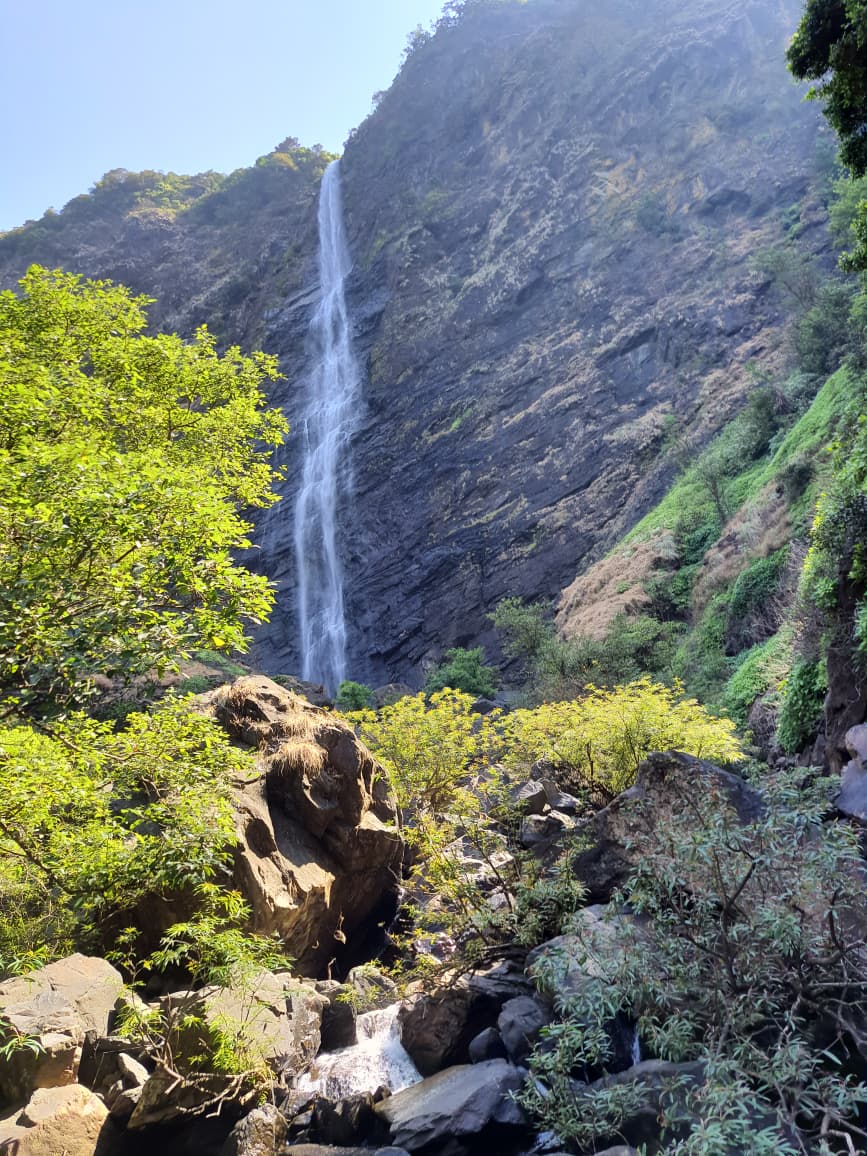
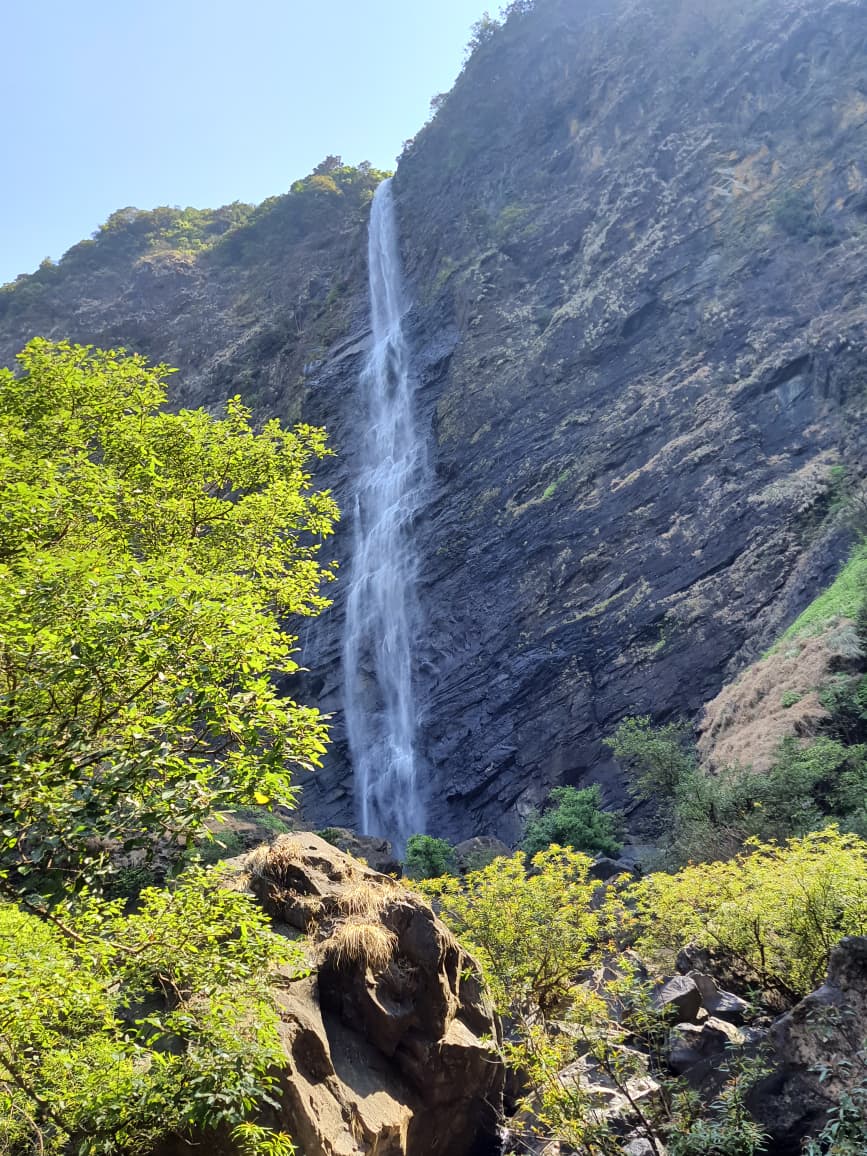
Deep within the untamed jungle canopy near Chaktikal village—roughly 17 kilometers from Shiroor through the undulating terrain close to Byndoor—Kudumari Falls (locally called Chaktikal Falls or Belligundi) is a dramatic single-drop spectacle. Plunging vertically from a sheer cliff face of approximately 300 feet, the waterfall descends like a massive sheet of liquid silver framed by dense, virgin Western Ghats foliage. Because it breaks away from standard tourist tracks, reaching it requires an intense, unfiltered roughly 3-kilometer jungle trek from the base village, navigating hidden forest paths and boulder-strewn stream beds. On clear days, the upper vantage points even offer a breathtaking distant glimpse of the Arabian Sea coastline.
ಉಡುಪಿ ಜಿಲ್ಲೆಯ ಬೈಂದೂರು ತಾಲ್ಲೂಕಿನ ದಟ್ಟವಾದ ಪಶ್ಚಿಮ ಘಟ್ಟಗಳ ಅರಣ್ಯ ಪ್ರದೇಶದಲ್ಲಿ ನೆಲೆಗೊಂಡಿರುವ ಕುಡುಮರಿ ಜಲಪಾತವನ್ನು ಸ್ಥಳೀಯವಾಗಿ ಚಕ್ತಿಕಲ್ ಜಲಪಾತ ಅಥವಾ ಬೆಲ್ಲಿಗುಂಡಿ ಎಂದೂ ಕರೆಯಲಾಗುತ್ತದೆ. ಸುಮಾರು 300 ಅಡಿಗಳಷ್ಟು ಎತ್ತರದಿಂದ ನೇರವಾಗಿ ಧುಮುಕುವ ಈ ಜಲಪಾತದ ಭೋರ್ಗರೆತ ಮತ್ತು ಸುತ್ತಲೂ ಹಸಿರಿನಿಂದ ಕೂಡಿರುವ ಕಾನನವು ಪ್ರವಾಸಿಗರಿಗೆ ರೋಮಾಂಚಕ ಅನುಭವವನ್ನು ನೀಡುತ್ತದೆ.
ಈ ಜಲಪಾತವನ್ನು ತಲುಪಲು ಚಕ್ತಿಕಲ್ ಗ್ರಾಮದ ಬಳಿಯಿಂದ ದಟ್ಟ ಕಾಡಿನ ನಡುವೆ ಹಾಗೂ ಕಲ್ಲು ಬಂಡೆಗಳ ಮೇಲ್ಮೈಯಲ್ಲಿ ಸಾಗುವ ಸುಮಾರು ಮೂರು ಕಿಲೋಮೀಟರ್ ದೂರದ ಸಾಹಸಮಯ ಚಾರಣ (Trekking) ಮಾಡಬೇಕಾಗುತ್ತದೆ. ಮಳೆಗಾಲ ಹಾಗೂ ತರುವಣದ ತಿಂಗಳುಗಳಲ್ಲಿ ಇಲ್ಲಿ ನೀರಿನ ಹರಿವು ಅತ್ಯಂತ ಸುಂದರವಾಗಿ ಕಾಣಸಿಗುತ್ತದೆ. ದುರ್ಗಮವಾದ ಹಾದಿ ಹಾಗೂ ವನ್ಯಜೀವಿ ಪ್ರದೇಶವಾಗಿರುವ ಕಾರಣ, ಇಲ್ಲಿಗೆ ತೆರಳುವವರು ಮುಂಜಾಗ್ರತೆಯಾಗಿ ಅರಣ್ಯ ಇಲಾಖೆಯ ನಿಯಮಗಳನ್ನು ತಿಳಿದುಕೊಂಡು, ಸ್ಥಳೀಯ ಮಾರ್ಗದರ್ಶಕರ (Guide) ಸಹಾಯದೊಂದಿಗೆ ಭೇಟಿ ನೀಡುವುದು ಸೂಕ್ತವಾಗಿದೆ.
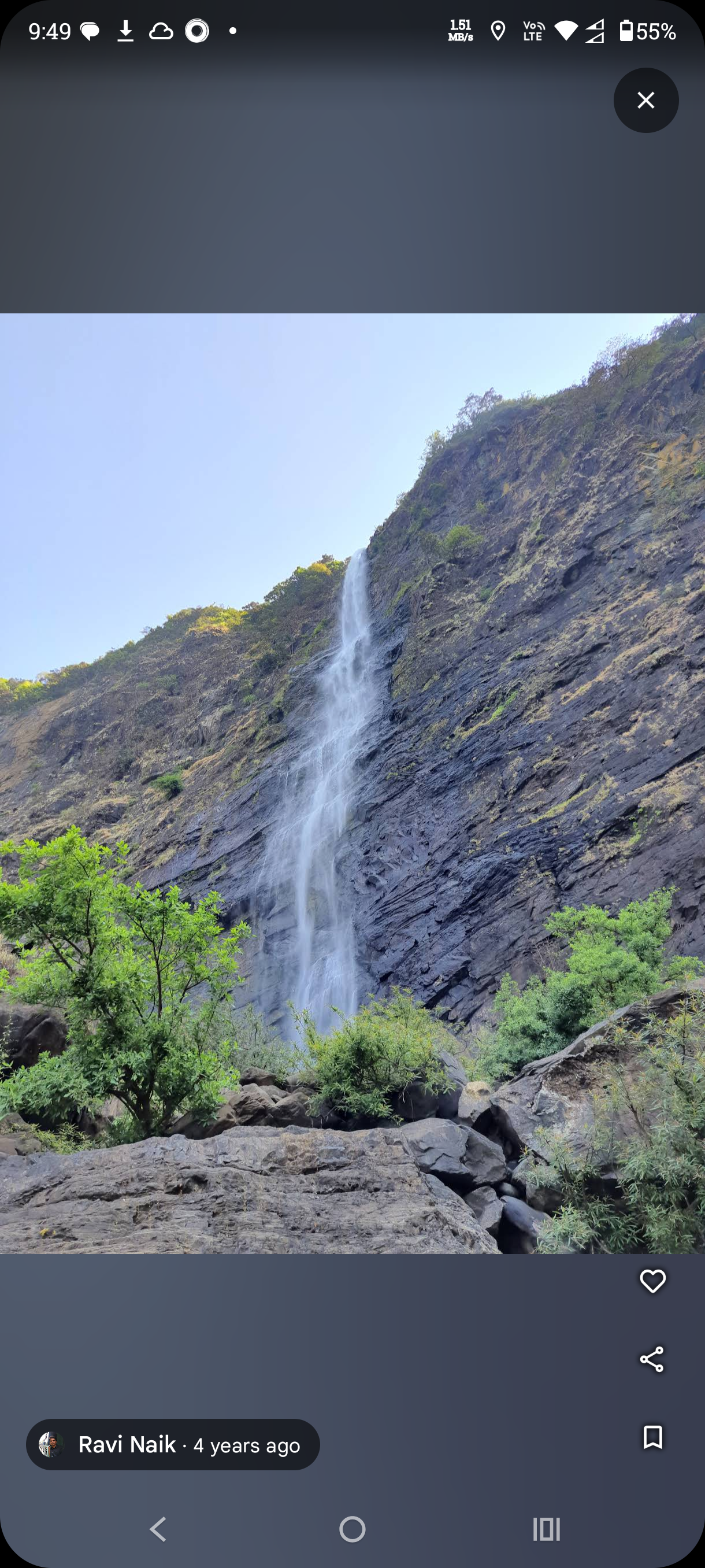
Kudumari Waterfalls, also known as Bellingundi Falls or Chaktikal Falls, is one of the more remote waterfalls in the Byndoor region. It lies deep within the Western Ghats, near Chaktikal village, where the coastal landscape gradually gives way to dense forest and steep hill terrain.
Unlike a waterfall that can be reached directly by road, Kudumari is a trekking destination. The final approach takes you through forest paths, rocky ground and small streams before reaching the waterfall.
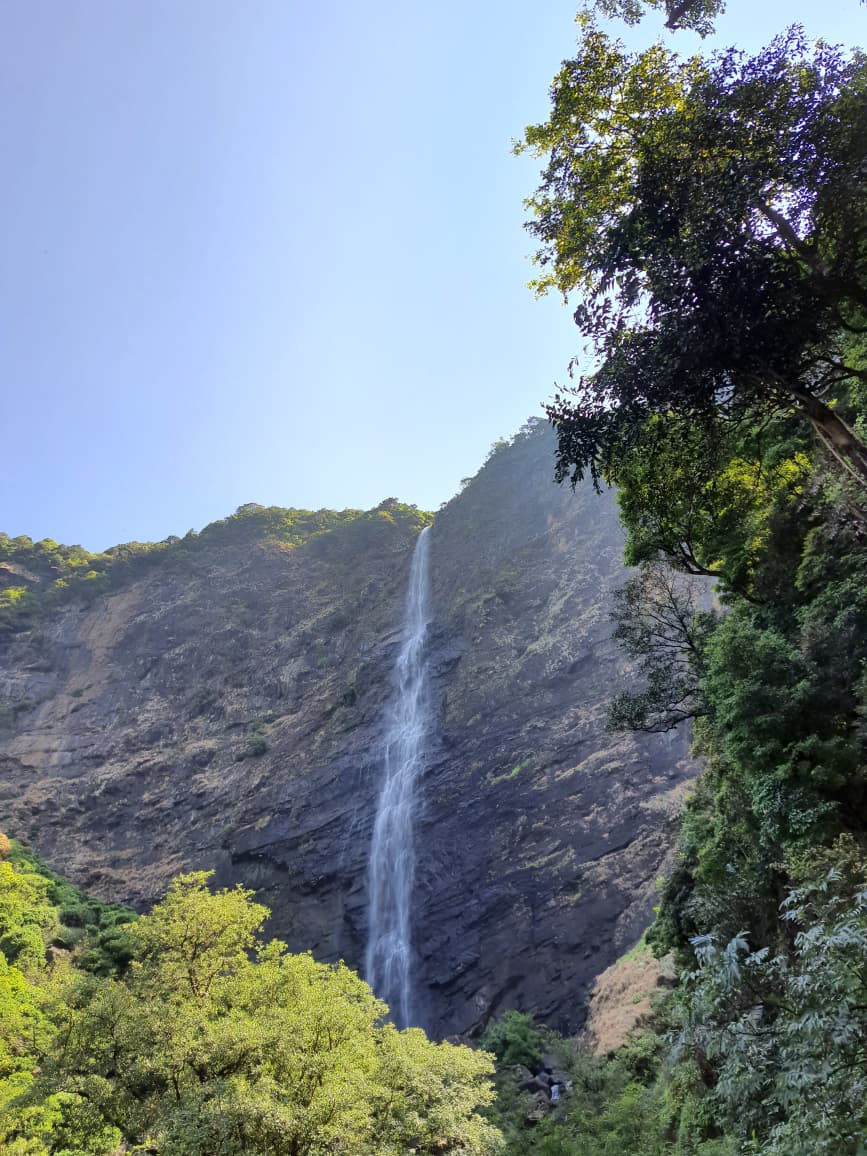
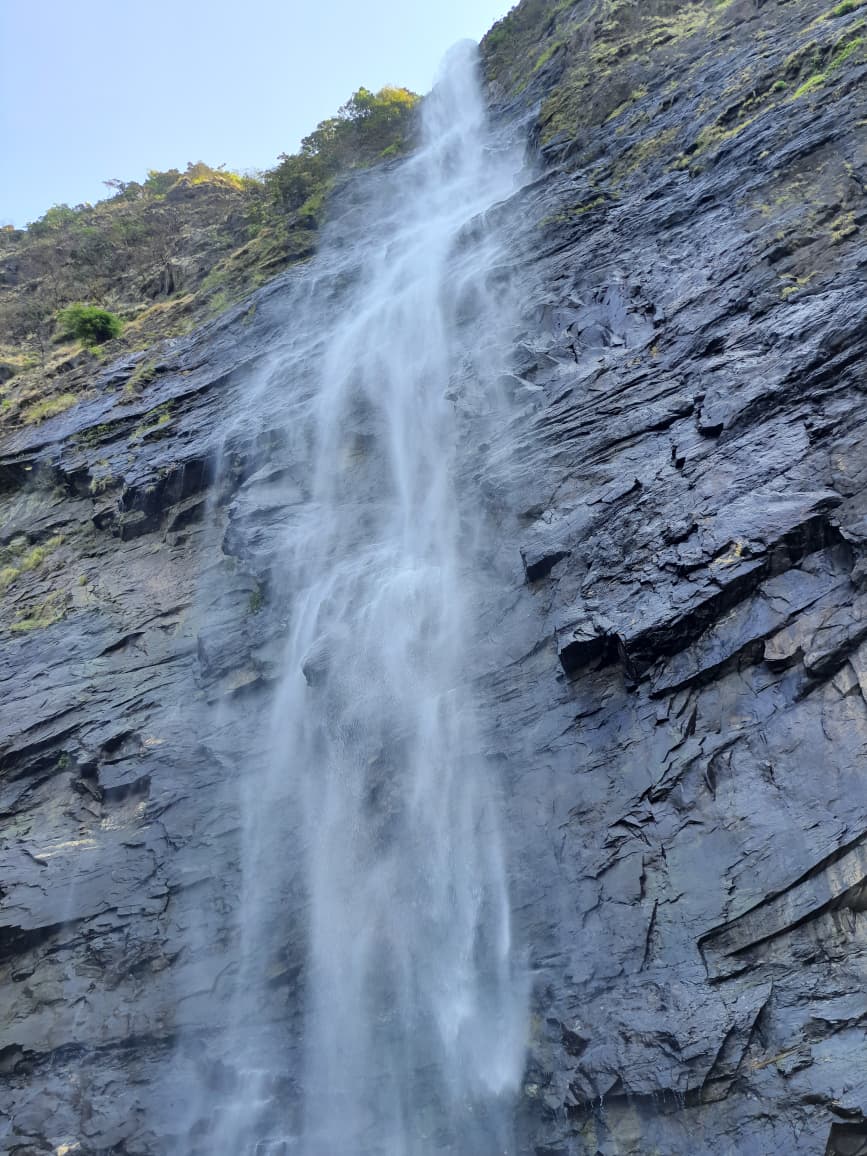
Kudumari drops from a height of roughly 300 feet, forming a dramatic single cascade against the forested hillside. During the rainy season and the months that follow, the flow becomes much stronger and the surrounding forest turns a deep green.
From the forest, the white stream of water stands out sharply against the darker rocks and vegetation. The secluded setting is a major part of the attraction.
This waterfalls ranked 12th highest waterfalls of Karnataka in terms of height.
The approach from the Chaktikal side near Byndoor involves a forest trek of roughly 3–4 km, depending on the route and starting point. The trail is not a conventional developed tourist path. It passes through uneven ground, rocks, slopes and streams.
The route can be particularly slippery during and immediately after the monsoon. Because the waterfall lies in a forested area, visitors should not attempt the trek alone. A knowledgeable local guide and proper information about current forest access are important.
Kudumari feels very different from the beaches and viewpoints along the Byndoor coast. Once the trek begins, roads, houses and other signs of the town gradually disappear, leaving mostly forest, streams, rocks and the sound of flowing water.
The surrounding forest is part of the Western Ghats landscape and is home to a variety of wildlife. This is one reason the area should be treated as a natural forest environment rather than an ordinary picnic location.
Visitors may come across several names for the same waterfall. Kudumari Falls, Bellingundi Falls and Chaktikal Falls are commonly used names for this destination. The name can vary depending on the village, route or local reference.
The waterfall is also sometimes described as being in the wider Sharavathi Valley landscape, close to the boundary between the Udupi and Shivamogga regions.
The waterfall is most impressive when there is sufficient water in the stream. The post-monsoon period, particularly around November to January, can offer a good balance between water flow and more manageable trekking conditions.
During the peak monsoon, the waterfall may be at its most powerful, but forest trails, rocks and stream crossings can become dangerous. Visitors should check current access conditions before starting the trek.
Kudumari is not an easy roadside attraction. Access to the forest area can be restricted, and permission may be required from the Forest Department depending on current regulations and conditions. Current visitor reports indicate that access has been restricted at times, so visitors should confirm permission and the permitted route before travelling.
The forest should be treated with respect. Slippery rocks, changing water levels, difficult trails and the possibility of encountering wildlife make it important to follow local instructions and avoid entering restricted areas.
Kudumari is best suited to people who enjoy forest trekking, waterfalls and less-developed natural destinations. The attraction is not only the waterfall at the end of the trail but the entire journey through the Western Ghats.
For someone exploring the lesser-known side of Byndoor, Kudumari offers a completely different experience from Maravanthe, Ottinene or Someshwara. Here, the coast is replaced by dense forest, mountain streams and a secluded waterfall hidden deep in the hills.
Kudumari stands out because of its combination of height, remoteness and forest setting. The roughly 300-foot cascade, difficult approach and surrounding Western Ghats landscape give it a genuine wilderness character.
It is one of those places where reaching the destination is part of the experience — the forest trek, the sound of water getting louder as you approach, and finally the sight of Bellingundi Falls emerging from the green hillside.
ಕುಡುಮರಿ ಜಲಪಾತ – ಬೆಳ್ಳಿಗುಂಡಿ ಜಲಪಾತ
ಬೈಂದೂರು ಭಾಗದ ಪಶ್ಚಿಮ ಘಟ್ಟದ ಕಾಡಿನೊಳಗೆ ಇರುವ ಕುಡುಮರಿ ಜಲಪಾತವನ್ನು ಚಕ್ತಿಕಲ್ ಜಲಪಾತ ಅಥವಾ ಬೆಳ್ಳಿಗುಂಡಿ ಜಲಪಾತ ಎಂದೂ ಕರೆಯುತ್ತಾರೆ. ಚಕ್ತಿಕಲ್ ಗ್ರಾಮದ ಸಮೀಪದ ದಟ್ಟ ಕಾಡಿನ ನಡುವೆ, ಬೆಟ್ಟದ ಎತ್ತರದಿಂದ ಕೆಳಕ್ಕೆ ಧುಮ್ಮಿಕ್ಕುವ ಈ ಜಲಪಾತವು ಈ ಭಾಗದ ಸಾಹಸಮಯ ಪ್ರಕೃತಿ ತಾಣಗಳಲ್ಲಿ ಒಂದು.
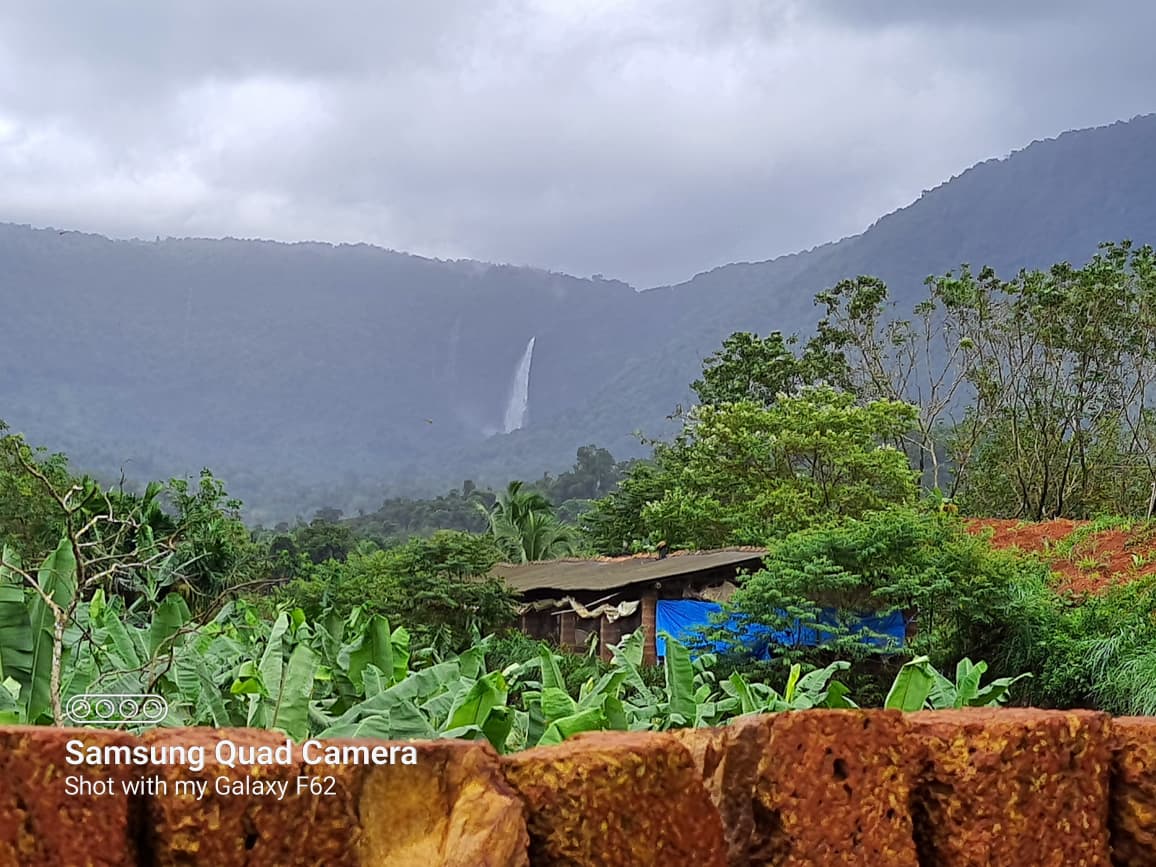
ಸುಮಾರು 300 ಅಡಿ ಎತ್ತರದಿಂದ ಧುಮ್ಮಿಕ್ಕುವ ಜಲಧಾರೆ ಎಂಬುದು ಕುಡುಮರಿ ಜಲಪಾತದ ಪ್ರಮುಖ ವಿಶೇಷತೆ. ಎತ್ತರದ ಬಂಡೆಯಿಂದ ಕೆಳಕ್ಕೆ ಬೀಳುವ ನೀರು ಸುತ್ತಲಿನ ದಟ್ಟ ಹಸಿರು ಕಾಡಿನ ನಡುವೆ ಬಿಳಿಯಾಗಿ ಕಾಣಿಸುವುದು ದೂರದಿಂದಲೇ ಗಮನ ಸೆಳೆಯುತ್ತದೆ.
ಕುಡುಮರಿ ಜಲಪಾತಕ್ಕೆ ಬೆಳ್ಳಿಗುಂಡಿ ಎಂಬ ಹೆಸರೂ ಇದೆ. ಎತ್ತರದ ಕಲ್ಲಿನ ಪ್ರದೇಶದಿಂದ ಕೆಳಕ್ಕೆ ಬೀಳುವ ನೀರು ಬಿಳಿಯಾಗಿ ಕಾಣಿಸುವುದರಿಂದ ಈ ಹೆಸರು ಬಂದಿರಬಹುದೆಂಬ ಸ್ಥಳೀಯ ಬಳಕೆಯೂ ಇದೆ.
ಚಕ್ತಿಕಲ್ ಪ್ರದೇಶದ ಜನರಿಗೆ ಇದು ಕುಡುಮರಿ ಜಲಪಾತಕ್ಕಿಂತಲೂ ಚಕ್ತಿಕಲ್ ಜಲಪಾತ ಎಂಬ ಹೆಸರಿನಿಂದ ಪರಿಚಿತವಾಗಿರುವುದು ಸಾಮಾನ್ಯ. ಹೀಗಾಗಿ ಈ ಮೂರು ಹೆಸರುಗಳು ಒಂದೇ ಜಲಪಾತವನ್ನು ಸೂಚಿಸುತ್ತವೆ:
ಚಕ್ತಿಕಲ್ ಗ್ರಾಮದ ಕಾಡಿನೊಳಗೆ
ಜಲಪಾತವು ಚಕ್ತಿಕಲ್ ಗ್ರಾಮದ ಸಮೀಪದ ಆಳವಾದ ಕಾಡಿನ ಪ್ರದೇಶದಲ್ಲಿದೆ. ಇಲ್ಲಿಗೆ ಸಾಗಿದಂತೆ ಕರಾವಳಿಯ ಸಮತಟ್ಟಾದ ಭೂಪ್ರದೇಶ ನಿಧಾನವಾಗಿ ಬೆಟ್ಟದ ಸ್ವರೂಪ ಪಡೆಯುತ್ತದೆ. ದಟ್ಟ ಮರಗಳು, ಕಲ್ಲಿನ ಇಳಿಜಾರುಗಳು ಮತ್ತು ಬೆಟ್ಟದ ನಡುವೆ ಹರಿಯುವ ನೀರಿನ ಸಣ್ಣ ತೊರೆಗಳು ಈ ಪ್ರದೇಶದ ನೈಸರ್ಗಿಕ ಸ್ವರೂಪವನ್ನು ರೂಪಿಸುತ್ತವೆ.
ಜಲಪಾತದ ಸುತ್ತಲೂ ದೊಡ್ಡ ಪ್ರಮಾಣದಲ್ಲಿ ಪ್ರವಾಸಿ ಸೌಲಭ್ಯಗಳನ್ನು ನಿರ್ಮಿಸಿರುವ ತಾಣವಲ್ಲ ಇದು. ಕಾಡಿನ ಸಹಜ ಸ್ವರೂಪವೇ ಇಲ್ಲಿನ ಪ್ರಮುಖ ಆಕರ್ಷಣೆ.
ಕುಡುಮರಿ ಜಲಪಾತಕ್ಕೆ ಹೋಗುವವರಲ್ಲಿ ಚಾರಣದ ಆಸಕ್ತಿ ಇರುವವರೇ ಹೆಚ್ಚಿನವರು. ಚಕ್ತಿಕಲ್ ಗ್ರಾಮದಿಂದ ಕಾಡಿನೊಳಗೆ ಸುಮಾರು 3 ಕಿಲೋಮೀಟರ್ಗಳಷ್ಟು ಚಾರಣದ ದಾರಿ ಸಾಗುತ್ತದೆ. ಜಲಪಾತವನ್ನು ತಲುಪಲು ಸುಮಾರು ಎರಡು ಗಂಟೆಗಳ ಕಾಲ ನಡೆಯಬೇಕಾಗುತ್ತದೆ ಎಂದು ಈ ಮಾರ್ಗವನ್ನು ವಿವರಿಸಲಾಗುತ್ತದೆ.
ಈ ಚಾರಣವು ಸಾಮಾನ್ಯ ಸಮತಟ್ಟಾದ ದಾರಿಯಲ್ಲ. ಕಾಡಿನ ಹಾದಿ, ಕಲ್ಲುಬಂಡೆಗಳು, ಏರುಪೇರು ಪ್ರದೇಶ ಮತ್ತು ಕೆಲವು ಕಡೆ ಕಷ್ಟಕರವಾದ ಇಳಿಜಾರುಗಳು ಎದುರಾಗುತ್ತವೆ. ಅದಕ್ಕಾಗಿಯೇ ಕುಡುಮರಿ ಜಲಪಾತವನ್ನು ಕೇವಲ ಜಲಪಾತ ವೀಕ್ಷಣೆಯ ಸ್ಥಳಕ್ಕಿಂತ ಚಾರಣ ಮತ್ತು ಸಾಹಸ ಪ್ರವಾಸದ ತಾಣವಾಗಿ ನೋಡಬಹುದು.
ದಾರಿಯಲ್ಲಿ ಮುಂದೆ ಸಾಗುತ್ತಿದ್ದಂತೆ ಜಲಪಾತದ ಸದ್ದು ನಿಧಾನವಾಗಿ ಕೇಳಿಸತೊಡಗುತ್ತದೆ. ಕಾಡಿನ ಮರಗಳ ನಡುವೆ ನೀರಿನ ಶಬ್ದ ಹತ್ತಿರವಾಗುತ್ತಾ ಬಂದಂತೆ ಜಲಪಾತ ಇನ್ನೇನು ಎದುರಾಗಲಿದೆ ಎಂಬ ಕುತೂಹಲ ಹೆಚ್ಚಾಗುತ್ತದೆ.
ಕುಡುಮರಿ ಜಲಪಾತದ ಪ್ರಮುಖ ಆಕರ್ಷಣೆ ಅದರ ಎತ್ತರ. ಸುಮಾರು 300 ಅಡಿ ಎತ್ತರದಿಂದ ಕೆಳಕ್ಕೆ ಬೀಳುವ ನೀರು ಕಲ್ಲಿನ ಬೆಟ್ಟದ ಮೇಲಿನಿಂದ ಒಂದೇ ಜಲಧಾರೆಯಾಗಿ ಧುಮ್ಮಿಕ್ಕುವ ದೃಶ್ಯ ಮನಮೋಹಕವಾಗಿದೆ.
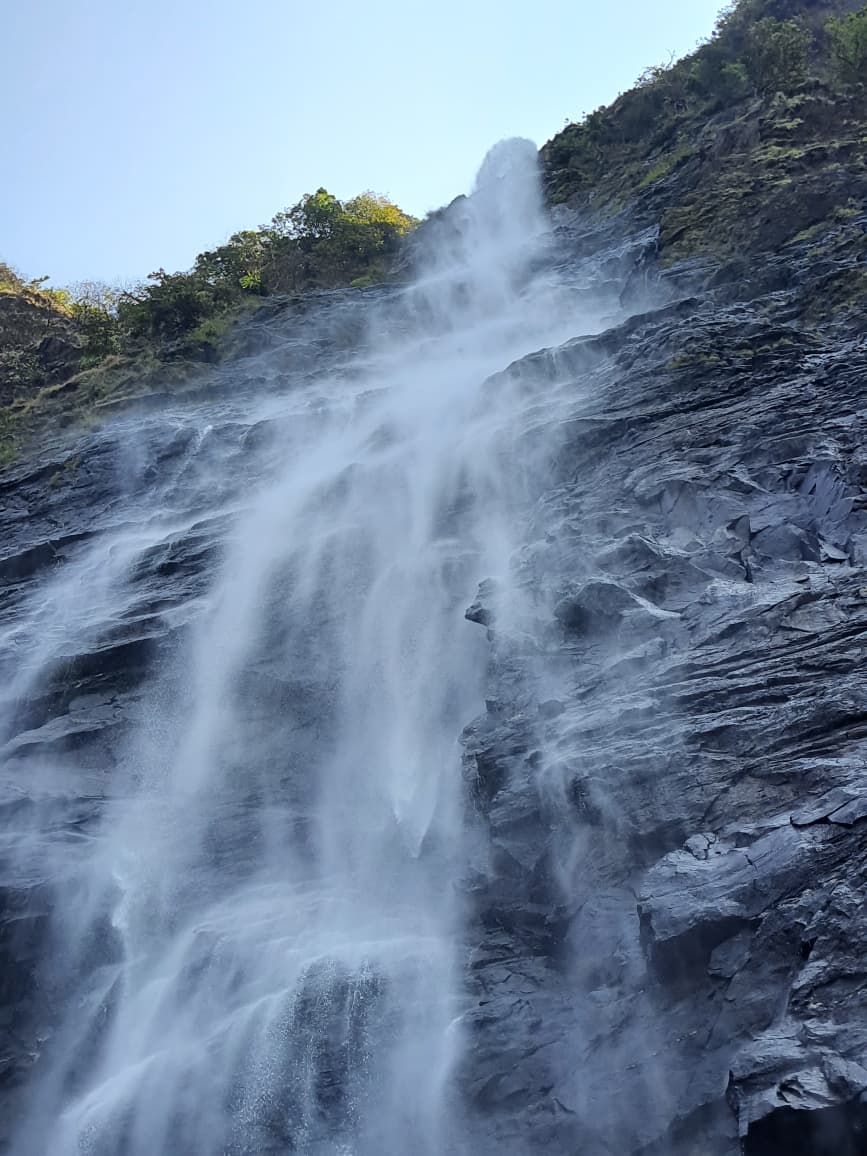
ಮೇಲಿನಿಂದ ಬೀಳುವ ನೀರು ಕೆಳಭಾಗವನ್ನು ತಲುಪುವಾಗ ಸಣ್ಣ ನೀರಿನ ಕಣಗಳಾಗಿ ಚಿಮ್ಮುತ್ತದೆ. ಸುತ್ತಲಿನ ಕಪ್ಪು ಕಲ್ಲು ಮತ್ತು ಹಸಿರು ಕಾಡಿನ ನಡುವೆ ಬಿಳಿ ನೀರಿನ ಧಾರೆ ಸ್ಪಷ್ಟವಾಗಿ ಕಾಣುವುದರಿಂದ ಜಲಪಾತದ ಎತ್ತರ ಇನ್ನಷ್ಟು ಪರಿಣಾಮಕಾರಿಯಾಗಿ ಗೋಚರಿಸುತ್ತದೆ.
ಮಳೆ ಹೆಚ್ಚಿರುವ ಸಮಯದಲ್ಲಿ ನೀರಿನ ಹರಿವು ಹೆಚ್ಚಾಗುವುದರಿಂದ ಜಲಪಾತದ ಸದ್ದು ಮತ್ತು ದೃಶ್ಯ ಎರಡೂ ಹೆಚ್ಚು ಪ್ರಬಲವಾಗುತ್ತವೆ.
ಪಶ್ಚಿಮ ಘಟ್ಟದ ಪ್ರದೇಶವಾಗಿರುವುದರಿಂದ ಮಳೆಯ ನಂತರ ಕುಡುಮರಿ ಸುತ್ತಲಿನ ಕಾಡು ಸಂಪೂರ್ಣ ಹಸಿರಿನಿಂದ ತುಂಬುತ್ತದೆ. ಬೆಟ್ಟದ ಮೇಲಿನಿಂದ ಬರುವ ಸಣ್ಣ ನೀರಿನ ಹರಿವುಗಳು ಹೆಚ್ಚಾಗಿ ಜಲಪಾತದ ನೀರಿನ ಪ್ರಮಾಣವೂ ಹೆಚ್ಚಾಗುತ್ತದೆ.
ಆದರೆ ಇದೇ ಕಾರಣದಿಂದ ಮಳೆಗಾಲದಲ್ಲಿ ಚಾರಣದ ದಾರಿ ಹೆಚ್ಚು ಕಷ್ಟಕರವಾಗುತ್ತದೆ. ಒದ್ದೆಯಾದ ಕಲ್ಲುಗಳು ಜಾರಬಹುದು, ಕಾಡಿನ ದಾರಿಯಲ್ಲಿ ಕೆಸರು ಉಂಟಾಗಬಹುದು ಮತ್ತು ನೀರಿನ ಹರಿವು ಹೆಚ್ಚಾಗಬಹುದು.
ಹೀಗಾಗಿ ಕುಡುಮರಿ ಜಲಪಾತದ ಸೌಂದರ್ಯವನ್ನು ಅನುಭವಿಸುವುದರ ಜೊತೆಗೆ ಅದರ ಕಾಡಿನ ಸ್ವರೂಪವನ್ನು ಗೌರವಿಸುವುದು ಮುಖ್ಯ.
ಕುಡುಮರಿ ಜಲಪಾತದ ಕಡೆಗೆ ಸಾಗುವಾಗ ದಾರಿಯುದ್ದಕ್ಕೂ ಪಶ್ಚಿಮ ಘಟ್ಟದ ಬೆಟ್ಟದ ಸ್ವರೂಪ ಕಾಣಿಸುತ್ತದೆ. ಕಾಡಿನ ಮಧ್ಯೆ ತೆರೆದುಕೊಳ್ಳುವ ಕೆಲವು ಸ್ಥಳಗಳಲ್ಲಿ ಸುತ್ತಲಿನ ಬೆಟ್ಟ ಮತ್ತು ಕಣಿವೆಗಳ ದೃಶ್ಯವೂ ಕಾಣಿಸಿಕೊಳ್ಳುತ್ತದೆ.
ಜಲಪಾತದ ಬಳಿ ತಲುಪಿದ ನಂತರ ಕೆಳಭಾಗದ ಕಾಡಿನ ಹಸಿರು ಮತ್ತು ಮೇಲಿನಿಂದ ಧುಮ್ಮಿಕ್ಕುವ ನೀರು ಒಂದೇ ದೃಶ್ಯದಲ್ಲಿ ಸೇರುತ್ತವೆ. ಇದೇ ಕಾರಣದಿಂದ ಕುಡುಮರಿ ಜಲಪಾತಕ್ಕೆ ಹೋಗುವ ಚಾರಣವು ಜಲಪಾತದ ಅಂತಿಮ ದೃಶ್ಯಕ್ಕಿಂತಲೂ ಹೆಚ್ಚಿನ ಪ್ರಕೃತಿ ಅನುಭವವನ್ನು ನೀಡುತ್ತದೆ.
ಕುಡುಮರಿ ಜಲಪಾತವು ಕುಟುಂಬದೊಂದಿಗೆ ಸುಲಭವಾಗಿ ಹೋಗಿ ಕೆಲವೇ ನಿಮಿಷಗಳಲ್ಲಿ ನೋಡಿಬರುವ ಸಾಮಾನ್ಯ ಪ್ರವಾಸಿ ತಾಣವಲ್ಲ. ಕಾಡಿನೊಳಗೆ ನಡೆದು ಹೋಗಬೇಕಾದ ದಾರಿ ಮತ್ತು ಬೆಟ್ಟದ ಪ್ರದೇಶ ಇದನ್ನು ಹೆಚ್ಚು ಸಾಹಸಮಯವಾಗಿಸುತ್ತದೆ.
ಆದ್ದರಿಂದ ಚಾರಣದ ಅನುಭವ ಹೊಂದಿರುವವರು, ಕಾಡಿನ ದಾರಿಯಲ್ಲಿ ನಡೆಯಲು ಆಸಕ್ತಿ ಇರುವವರು ಮತ್ತು ಪ್ರಕೃತಿಯ ನಡುವೆ ಸಮಯ ಕಳೆಯಲು ಇಷ್ಟಪಡುವವರಿಗೆ ಕುಡುಮರಿ ಹೆಚ್ಚು ಆಕರ್ಷಕವಾಗುತ್ತದೆ.
ಇಲ್ಲಿನ ಪ್ರವಾಸದ ಮುಖ್ಯ ಭಾಗವೇ ಚಕ್ತಿಕಲ್ನಿಂದ ಆರಂಭವಾಗುವ ಕಾಡಿನ ನಡಿಗೆ ಮತ್ತು ಕೊನೆಯಲ್ಲಿ ಎದುರಾಗುವ ಎತ್ತರದ ಬೆಳ್ಳಿಗುಂಡಿ ಜಲಧಾರೆ.
ಈ ಜಲಪಾತದ ಬಗ್ಗೆ ಮಾಹಿತಿ ಹುಡುಕುವಾಗ ಹೆಸರುಗಳಲ್ಲಿ ಗೊಂದಲವಾಗುವುದು ಸಹಜ. ಕುಡುಮರಿ ಜಲಪಾತವೇ ಚಕ್ತಿಕಲ್ ಜಲಪಾತ ಮತ್ತು ಬೆಳ್ಳಿಗುಂಡಿ ಜಲಪಾತ. ಜಲಪಾತ ಚಕ್ತಿಕಲ್ ಗ್ರಾಮದ ಸಮೀಪದಲ್ಲಿರುವುದರಿಂದ ಚಕ್ತಿಕಲ್ ಜಲಪಾತ ಎಂಬ ಹೆಸರು ಬಳಕೆಯಲ್ಲಿದೆ; ಬೆಳ್ಳಿಗುಂಡಿ ಎಂಬ ಹೆಸರೂ ಇದೇ ಜಲಪಾತಕ್ಕೆ ಸಂಬಂಧಿಸಿದೆ.
ಆದ್ದರಿಂದ ಬೈಂದೂರು ಭಾಗದ ಪ್ರವಾಸಿ ತಾಣಗಳ ಪಟ್ಟಿಯಲ್ಲಿ ಈ ಹೆಸರುಗಳು ಬೇರೆ ಬೇರೆ ಜಲಪಾತಗಳಂತೆ ಕಂಡರೂ, ಅವುಗಳನ್ನು ಒಂದೇ ಸ್ಥಳವಾಗಿ ಗುರುತಿಸುವುದು ಮುಖ್ಯ.
ಕುಡುಮರಿ ಜಲಪಾತದ ವಿಶೇಷತೆ ಕೇವಲ ಅದರ ನೀರಿನಲ್ಲಿ ಇಲ್ಲ. ಸುಮಾರು 300 ಅಡಿ ಎತ್ತರ, ಚಕ್ತಿಕಲ್ ಗ್ರಾಮದ ಕಾಡಿನೊಳಗಿನ ಸ್ಥಳ, ಬೆಳ್ಳಿಗುಂಡಿ ಎಂಬ ಇನ್ನೊಂದು ಹೆಸರು ಮತ್ತು ಜಲಪಾತವನ್ನು ತಲುಪಲು ಬೇಕಾಗುವ ಸಾಹಸಮಯ ಚಾರಣ — ಇವೆಲ್ಲ ಸೇರಿ ಕುಡುಮರಿಗೆ ತನ್ನದೇ ಆದ ಗುರುತನ್ನು ನೀಡುತ್ತವೆ.
ಬೈಂದೂರಿನ ಕರಾವಳಿಯ ಪ್ರವಾಸಿ ತಾಣಗಳಿಂದ ಪಶ್ಚಿಮ ಘಟ್ಟದ ಒಳಭಾಗಕ್ಕೆ ಸಾಗಿದಾಗ ಕಾಣಿಸುವ ಪ್ರಕೃತಿಯ ಮತ್ತೊಂದು ಮುಖವೇ ಕುಡುಮರಿ. ಸಮುದ್ರದ ವಿಶಾಲತೆಯ ಬದಲು ಇಲ್ಲಿ ಕಾಡು, ಬೆಟ್ಟ ಮತ್ತು ಎತ್ತರದಿಂದ ಧುಮ್ಮಿಕ್ಕುವ ಜಲಧಾರೆ ಮುಖ್ಯ.
ಚಕ್ತಿಕಲ್ನ ಕಾಡಿನೊಳಗೆ ಸುಮಾರು 300 ಅಡಿ ಎತ್ತರದಿಂದ ಬೆಳ್ಳಿಯಂತೆ ಧುಮ್ಮಿಕ್ಕುವ ಈ ಜಲಧಾರೆಯೇ ಕುಡುಮರಿ — ಬೆಳ್ಳಿಗುಂಡಿ — ಚಕ್ತಿಕಲ್ ಜಲಪಾತ.
🚗 By road: From Shiroor market take Toodhalli road and reach Toodhalli village then Goliberu and Chaktikal village.
🚆 By train: Nearest Railway Station Byndoor Mookambika Road Railway Station about 15km.
✈️ By air: Mangalore International airport about 140km
October – January (post-monsoon): Best time to visit good water flow
June – September (monsoon): Not recommended
February – May (summer): Dry
In short: Visit between October to January
| Guides | Available at Chaktikal village |
|---|---|
| Mobile network | Low or Not available |
| Nearest ATM | Shiroor |
| Restrooms | Not available |
Places usually visited on the same trip.