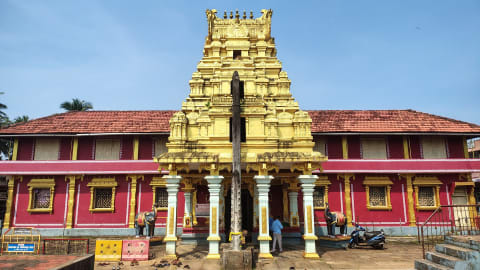
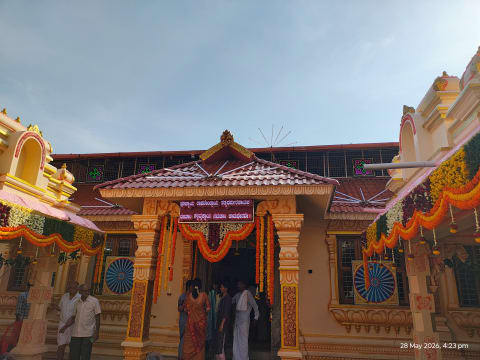
Situated near National Highway 66 along the banks of the Sumanavathi River, the Uppunda Sri Durgaparameshwari Temple is a deeply revered and ancient sacred shrine in the coastal region. According to the Skanda Purana, Sage Matanga once visited this holy site to worship the Divine Mother. The deity here is traditionally revered as a sister manifestation of Kollur Mookambika Devi, sharing similar ritualistic traditions and featuring the worship of a sacred golden Sri Chakra.
The temple architecture showcases intricate traditional carvings and sculptures on its pillars and walls. Drawing large numbers of pilgrims during Navaratri, annual temple festivals (Jathre), and festive holy days, this spiritual landmark remains an integral pillar of coastal Karnataka’s heritage.
ರಾಷ್ಟ್ರೀಯ ಹೆದ್ದಾರಿ 66 ರ ಸಮೀಪದಲ್ಲಿ, ಸುಮನಾವತಿ ನದಿಯ ತಟದಲ್ಲಿ ನೆಲೆಗೊಂಡಿರುವ ಉಪ್ಪುಂದ ಶ್ರೀ ದುರ್ಗಾಪರಮೇಶ್ವರಿ ದೇವಸ್ಥಾನವು ಕರಾವಳಿಯ ಅತ್ಯಂತ ಪ್ರಾಚೀನ ಹಾಗೂ ಪೌರಾಣಿಕ ಮಹತ್ವವುಳ್ಳ ಪುಣ್ಯಕ್ಷೇತ್ರವಾಗಿದೆ. ಸ್ಕಾಂದ ಪುರಾಣದ ಉಲ್ಲೇಖದಂತೆ, ಮಹರ್ಷಿ ಮತಂಗರು ಈ ಪ್ರದೇಶಕ್ಕೆ ಭೇಟಿ ನೀಡಿ ದೇವಿಯನ್ನು ಆರಾಧಿಸಿದ್ದರು ಎಂಬ ಐತಿಹ್ಯವಿದೆ. ಇಲ್ಲಿನ ದೇವಿಯನ್ನು ಕೊಲ್ಲೂರಿನ ಮೂಕಾಂಬಿಕಾ ದೇವಿಯ ತಂಗಿ (ಸ್ವರೂಪ) ಎಂದು ಭಕ್ತರು ನಂಬುತ್ತಾರೆ, ಮತ್ತು ಇಲ್ಲಿಯೂ ಶಕ್ತಿ-ಲಿಂಗ ಹಾಗೂ ಬಂಗಾರದ ಶ್ರೀ ಚಕ್ರದ ಆರಾಧನೆ ನಡೆಯುತ್ತದೆ.
ದೇವಾಲಯದ ಕಂಬಗಳು ಹಾಗೂ ಗೋಡೆಗಳ ಮೇಲೆ ಸುಂದರವಾದ ಪ್ರಾಚೀನ ಶಿಲ್ಪಕಲೆಗಳನ್ನು ಕಾಣಬಹುದು. ನವರಾತ್ರಿ, ಯುಗಾದಿ ಹಾಗೂ ವಾರ್ಷಿಕ ಜಾತ್ರಾ ಮಹೋತ್ಸವದ ಸಂದರ್ಭದಲ್ಲಿ ಈ ಕ್ಷೇತ್ರವು ಅಪಾರ ಸಂಖ್ಯೆಯ ಭಕ್ತರನ್ನು ಸೆಳೆಯುತ್ತದೆ, ಕರಾವಳಿಯ ಧಾರ್ಮಿಕ ಪರಂಪರೆಯಲ್ಲಿ ಇದು ಪ್ರಮುಖ ಸ್ಥಾನ ಪಡೆದಿದೆ.
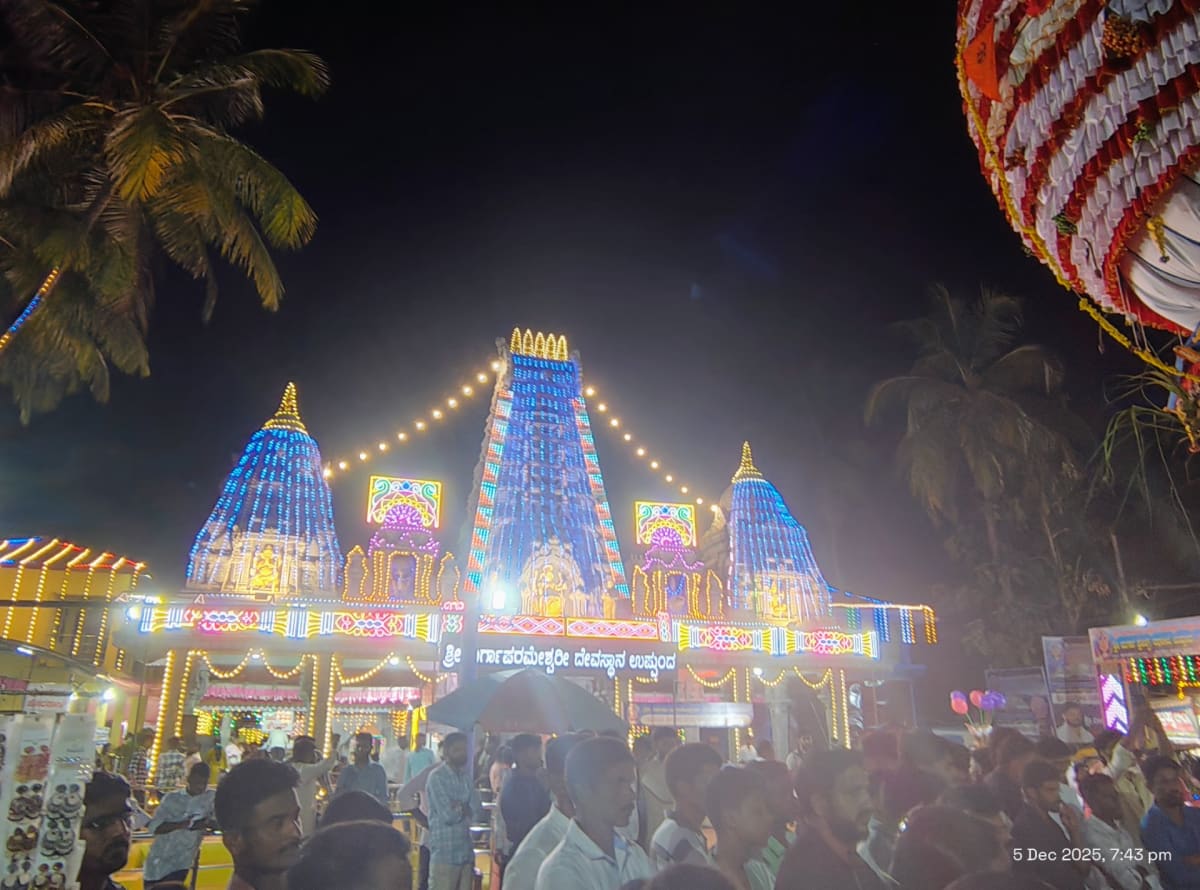
On the banks of the Sumanavathi River in Uppunda stands Sri Durgaparameshwari Temple, one of the important traditional Devi temples of the Byndoor region. The temple is closely connected with the religious history of Uppunda and carries traditions that reach back many centuries.
Unlike a temple known only for its annual celebrations, Uppunda Durgaparameshwari is interesting for the combination of its river-side setting, old temple tradition, Chalukyan architectural association, inscriptions, local legends and continuing worship.
For anyone exploring the lesser-known heritage of Byndoor, this is a temple worth knowing for its history as much as for its religious importance.
The temple stands on the left bank of the Sumanavathi River and faces east. Its location beside the river is an important part of the identity of the shrine.
The river and temple together form a distinctive landscape in Uppunda. The setting also connects with the temple's traditional history, since the Skanda Purana is said to describe the sage Matanga Muni worshipping Goddess Durga on the banks of the Sumana River. This association forms an important part of the sthala tradition of the temple.
The river-side location therefore is not simply a geographical detail; it is closely woven into the religious tradition associated with the shrine.
The temple's historical tradition places its construction in the 8th century, with an architectural association with the Chalukyan style. The Karnataka government's temple records describe Uppunda Durgaparameshwari as an ancient temple with this historical background.
This gives the temple a special place among the heritage sites of the Byndoor region. Coastal Karnataka is often associated with later temple traditions, but Uppunda also preserves a connection with an earlier period of South Indian temple history.
The temple should therefore be seen not only as a place of worship but also as part of the historical religious landscape of the region.
The temple has another interesting historical detail. Inscriptions associated with the region refer to the deity as Shantika Durgaparameshwari. The temple's official historical record also mentions the older territorial name Trigarta or Trigarta Dravida for the region.
Such references add another layer to the history of Uppunda. The name of the deity appearing in inscriptions shows how the temple's religious identity was recorded in earlier periods and connects the present-day shrine with the historical landscape of coastal Karnataka.
The traditional history of Uppunda Durgaparameshwari is closely connected with Matanga Muni.
According to the temple's sthala tradition, Matanga Muni came to this region and worshipped Goddess Durga on the banks of the Sumana River. This association is also connected with the reference in the Skanda Purana to the worship of Durga on the riverbank.
For the temple, this is more than a story attached to its name. It forms part of the sacred identity of the place and explains the importance given to the Sumana River in the temple tradition.
The wider literary tradition associated with the temple also connects Uppunda and its surrounding region with ancient references to the western coastal tract. These accounts belong to the temple's traditional and puranic heritage rather than modern historical documentation, and they are best understood in that context.
The principal deity of the temple is Sri Durgaparameshwari Devi. The temple's official records also associate the deity with names and forms including Durga Devi, Jala Durge, Mahakali and Mahalakshmi.
The worship of the Goddess continues as an important part of the religious life of Uppunda and the surrounding villages. Devotees visit the temple for regular worship and special seva, maintaining a living tradition rather than preserving the temple merely as an old monument.
Daily worship includes Mangalarti and Sarvabharana Alankara Puja, while Tulabhara Seva is also offered at the temple.
One of the most important annual celebrations connected with the temple is the Uppunda Kodi Habba, also known as the temple's chariot festival.
The celebration is traditionally held during the winter period around Karthika or Margashirsha, and the deity is taken in procession on a large chariot. The festival brings together devotees and the local community and has become an important cultural occasion for Uppunda.
The scale of the celebration gives the temple a different character during the festival season. Religious rituals, the chariot procession and the participation of people from the surrounding region transform the temple and the village into a major centre of local religious activity.
The 2021 celebration was described as the historic temple's Manmaha chariot festival, with the celebrations beginning with flag hoisting and continuing with traditional rituals and community activities.
The importance of Sri Durgaparameshwari Temple is not limited to its age. The temple continues to function as an active religious centre for Uppunda and nearby communities.
Its identity has several layers: the Goddess worshipped here, the Sumana River beside the temple, the old Chalukyan architectural association, references to Shantika Durgaparameshwari in inscriptions, the tradition of Matanga Muni and the annual Kodi Habba.
Together, these elements make the temple an important part of Uppunda's cultural landscape.
What makes this temple particularly interesting is the way history, sacred tradition and village life remain connected in one place.
The river beside the temple links directly with its sthala tradition. The temple's ancient history gives it architectural and historical importance. The references to Shantika Durgaparameshwari provide an inscriptional connection with the past, while the continuing worship and Kodi Habba show that the temple remains very much a living part of the community.
For visitors exploring Byndoor beyond its beaches and viewpoints, Uppunda Durgaparameshwari offers another side of the region — the old religious heritage of the coastal villages.
Standing beside the Sumana River, the temple carries a tradition that connects the present-day village of Uppunda with centuries of worship, local history and sacred memory. It is one of those places where the story of Byndoor is not found only in its landscape, but also in the temples that have remained part of its communities for generations.
ಬೈಂದೂರು ತಾಲೂಕಿನ ಉಪ್ಪುಂದ ಗ್ರಾಮದ ಧಾರ್ಮಿಕ ಮತ್ತು ಐತಿಹಾಸಿಕ ಗುರುತಿನಲ್ಲಿ ಶ್ರೀ ದುರ್ಗಾಪರಮೇಶ್ವರಿ ದೇವಸ್ಥಾನಕ್ಕೆ ವಿಶೇಷ ಸ್ಥಾನವಿದೆ. ಸುಮನಾವತಿ ನದಿಯ ಎಡ ದಂಡೆಯಲ್ಲಿರುವ ಈ ಪೂರ್ವಾಭಿಮುಖ ದೇವಾಲಯವು ಕೇವಲ ಸ್ಥಳೀಯ ಆರಾಧನಾ ಕೇಂದ್ರವಲ್ಲ; ಉಪ್ಪುಂದದ ಹಲವು ಶತಮಾನಗಳ ಧಾರ್ಮಿಕ ಪರಂಪರೆಯನ್ನು ತನ್ನೊಳಗೆ ಉಳಿಸಿಕೊಂಡಿರುವ ಪುರಾತನ ಕ್ಷೇತ್ರವಾಗಿದೆ. ಕರ್ನಾಟಕ ಮುಜರಾಯಿ ಇಲಾಖೆಯ ದಾಖಲೆಗಳಲ್ಲಿ ಈ ದೇವಸ್ಥಾನವನ್ನು ಕ್ರಿ.ಶ. 8ನೇ ಶತಮಾನಕ್ಕೆ ಸೇರಿದ, ಚಾಲುಕ್ಯ ಶೈಲಿಯ ಪುರಾತನ ದೇವಾಲಯವೆಂದು ದಾಖಲಿಸಲಾಗಿದೆ.
ಉಪ್ಪುಂದದ ಸಮುದ್ರ ತೀರದ ಸ್ವಭಾವದ ಜೊತೆಗೆ ಈ ದೇವಾಲಯದ ಇತಿಹಾಸವನ್ನು ನೋಡಿದಾಗ, ಈ ಗ್ರಾಮವು ಕೇವಲ ಕರಾವಳಿ ಪ್ರದೇಶವಲ್ಲ, ಹಳೆಯ ಧಾರ್ಮಿಕ ಪರಂಪರೆಯನ್ನು ಹೊಂದಿರುವ ನೆಲ ಎಂಬುದು ಸ್ಪಷ್ಟವಾಗುತ್ತದೆ.
ಶ್ರೀ ದುರ್ಗಾಪರಮೇಶ್ವರಿ ದೇವಸ್ಥಾನವು ಸುಮನಾವತಿ ನದಿಯ ಎಡ ದಂಡೆಯಲ್ಲಿ ಪೂರ್ವಾಭಿಮುಖವಾಗಿ ನೆಲೆಗೊಂಡಿದೆ. ನದಿ ಮತ್ತು ದೇವಾಲಯದ ಈ ಸಂಬಂಧ ಕ್ಷೇತ್ರದ ಸ್ವರೂಪದಲ್ಲೇ ಪ್ರಮುಖವಾಗಿದೆ.
ಉಪ್ಪುಂದದ ಕರಾವಳಿ ಭೂದೃಶ್ಯದಲ್ಲಿ ನದಿ, ಸಮುದ್ರ ಮತ್ತು ಗ್ರಾಮೀಣ ಪರಿಸರ ಪರಸ್ಪರ ಬೆಸೆದುಕೊಂಡಿವೆ. ಈ ಹಿನ್ನೆಲೆಯಲ್ಲಿ ಸುಮನಾವತಿ ನದಿ ತೀರದಲ್ಲಿರುವ ದೇವಾಲಯವು ಉಪ್ಪುಂದದ ಧಾರ್ಮಿಕ ಭೂಗೋಳದ ಪ್ರಮುಖ ಭಾಗವಾಗಿದೆ.
ದೇವಾಲಯದ ಸ್ಥಳಪುರಾಣದಲ್ಲಿಯೂ ಸುಮನಾವತಿ ನದಿಗೆ ವಿಶೇಷ ಸ್ಥಾನವಿದೆ. ಮಾತಂಗ ಮುನಿಗಳು ಸುಮನಾವತಿ ನದಿಯ ದಂಡೆಯಲ್ಲಿ ದುರ್ಗಾ ದೇವಿಯನ್ನು ಆರಾಧಿಸಿದ್ದರು ಎಂಬ ಉಲ್ಲೇಖ ಸ್ಕಂದ ಪುರಾಣದೊಂದಿಗೆ ದೇವಸ್ಥಾನದ ಅಧಿಕೃತ ದಾಖಲೆಯಲ್ಲಿ ನೀಡಲಾಗಿದೆ.
ಉಪ್ಪುಂದ ಶ್ರೀ ದುರ್ಗಾಪರಮೇಶ್ವರಿ ದೇವಸ್ಥಾನದ ಪ್ರಮುಖ ವಿಶೇಷತೆ ಅದರ ಪ್ರಾಚೀನತೆ. ಕರ್ನಾಟಕ ಮುಜರಾಯಿ ಇಲಾಖೆಯ ದಾಖಲೆಯ ಪ್ರಕಾರ, ದೇವಾಲಯವು ಕ್ರಿ.ಶ. 8ನೇ ಶತಮಾನದಲ್ಲಿ ಚಾಲುಕ್ಯ ಶೈಲಿಯಲ್ಲಿ ನಿರ್ಮಾಣವಾದದ್ದು ಎಂಬ ಇತಿಹಾಸವಿದೆ.
ಇದು ಬೈಂದೂರು ಭಾಗದ ದೇವಾಲಯ ಪರಂಪರೆಯನ್ನು ಅರ್ಥಮಾಡಿಕೊಳ್ಳಲು ಮಹತ್ವದ ಸಂಗತಿ. ಕರಾವಳಿ ಕರ್ನಾಟಕದ ಅನೇಕ ದೇವಾಲಯಗಳು ತಮ್ಮದೇ ಆದ ಸ್ಥಳೀಯ ವಾಸ್ತು ಮತ್ತು ಆರಾಧನಾ ಪರಂಪರೆಯನ್ನು ಬೆಳೆಸಿಕೊಂಡಿದ್ದರೂ, ಉಪ್ಪುಂದದ ಈ ದೇವಾಲಯಕ್ಕೆ ಚಾಲುಕ್ಯ ಕಾಲದ ಸಂಪರ್ಕವಿದೆ ಎಂಬುದು ಅದರ ಐತಿಹಾಸಿಕ ಮಹತ್ವವನ್ನು ಹೆಚ್ಚಿಸುತ್ತದೆ.
ಇಂದಿನ ಉಪ್ಪುಂದವನ್ನು ನೋಡಿದಾಗ ಸಮುದ್ರ, ನದಿ ಮತ್ತು ಕರಾವಳಿ ಬದುಕು ಮೊದಲಿಗೆ ಗಮನಕ್ಕೆ ಬರುತ್ತವೆ. ಆದರೆ ಇದೇ ನೆಲದಲ್ಲಿ ಶತಮಾನಗಳ ಹಿಂದೆಯೇ ಒಂದು ದೇವಿ ಆರಾಧನಾ ಕೇಂದ್ರ ಬೆಳೆದಿತ್ತು ಎಂಬುದನ್ನು ಈ ದೇವಸ್ಥಾನದ ಇತಿಹಾಸ ನೆನಪಿಸುತ್ತದೆ.
ಉಪ್ಪುಂದ ದುರ್ಗೆಯ ಮತ್ತೊಂದು ವಿಶೇಷತೆ ಶಾಸನಗಳಲ್ಲಿ ದೇವಿಯನ್ನು “ಶಾಂತಿಕಾ ದುರ್ಗಾಪರಮೇಶ್ವರಿ” ಎಂದು ಉಲ್ಲೇಖಿಸಿರುವುದು.
ದೇವಸ್ಥಾನದ ಅಧಿಕೃತ ಇತಿಹಾಸದ ದಾಖಲೆಯಲ್ಲಿ, ಈ ಪ್ರದೇಶವನ್ನು ಹಿಂದಿನ ಕಾಲದಲ್ಲಿ ತ್ರಿಗರ್ತ ರಾಜ್ಯ ಅಥವಾ ತ್ರಿಗರ್ತ ದ್ರಾವಿಡ ರಾಜ್ಯ ಎಂದು ಕರೆಯಲಾಗುತ್ತಿತ್ತು ಎಂಬ ಉಲ್ಲೇಖವೂ ಇದೆ.
ಈ ರೀತಿಯ ಶಾಸನಾಧಾರಿತ ಉಲ್ಲೇಖಗಳು ದೇವಾಲಯದ ಇತಿಹಾಸವನ್ನು ಕೇವಲ ಸ್ಥಳೀಯ ನಂಬಿಕೆಗಳ ಮಟ್ಟದಲ್ಲಿ ಉಳಿಸದೆ, ಹಳೆಯ ಕಾಲದ ದಾಖಲೆಗಳೊಂದಿಗೆ ಕೂಡ ಸಂಪರ್ಕಿಸುತ್ತವೆ. ದೇವಿಯ ಹೆಸರು, ಪ್ರದೇಶದ ಹಳೆಯ ಹೆಸರು ಮತ್ತು ದೇವಾಲಯದ ಪರಂಪರೆ — ಇವೆಲ್ಲವೂ ಉಪ್ಪುಂದದ ಹಿಂದಿನ ಇತಿಹಾಸದ ಬಗ್ಗೆ ಗಮನ ಸೆಳೆಯುತ್ತವೆ.
ಉಪ್ಪುಂದ ದುರ್ಗಾಪರಮೇಶ್ವರಿ ಕ್ಷೇತ್ರದೊಂದಿಗೆ ಮಾತಂಗ ಮುನಿಯ ಆರಾಧನೆ ಪ್ರಮುಖವಾಗಿ ಸಂಬಂಧಿಸಿದೆ.
ಸ್ಥಳಪುರಾಣದ ಪ್ರಕಾರ, ಮಾತಂಗ ಮುನಿಗಳು ಸುಮನಾ ನದಿಯ ದಂಡೆಗೆ ಬಂದು ದುರ್ಗಾ ದೇವಿಯನ್ನು ಆರಾಧಿಸಿದರು. ಸ್ಕಂದ ಪುರಾಣದ ಉಲ್ಲೇಖದಲ್ಲಿಯೂ ಸುಮನಾ ನದಿ ತೀರದಲ್ಲಿ ಮಾತಂಗ ಮುನಿಗಳು ದುರ್ಗಾ ದೇವಿಯನ್ನು ಪೂಜಿಸಿದ ವಿಷಯವನ್ನು ದೇವಸ್ಥಾನದ ಅಧಿಕೃತ ದಾಖಲೆ ವಿವರಿಸುತ್ತದೆ.
ಈ ಕಾರಣದಿಂದಲೇ ಸುಮನಾ ನದಿ ಈ ಕ್ಷೇತ್ರದ ಭೌಗೋಳಿಕ ಹಿನ್ನೆಲೆಯಷ್ಟೇ ಅಲ್ಲದೆ, ಅದರ ಪವಿತ್ರ ಪರಂಪರೆಯಲ್ಲಿಯೂ ಪ್ರಮುಖ ಸ್ಥಾನ ಪಡೆದಿದೆ.
ಇಂತಹ ಸ್ಥಳಪುರಾಣಗಳು ಉಪ್ಪುಂದದ ದೇವಾಲಯವನ್ನು ಸುತ್ತಮುತ್ತಲಿನ ಜನರ ಆರಾಧನಾ ಪರಂಪರೆಯೊಂದಿಗೆ ಬೆಸೆದು, ಕ್ಷೇತ್ರಕ್ಕೆ ಒಂದು ವಿಶಿಷ್ಟವಾದ ಧಾರ್ಮಿಕ ಗುರುತನ್ನು ನೀಡಿವೆ.
ಇಲ್ಲಿ ಶ್ರೀ ದುರ್ಗಾಪರಮೇಶ್ವರಿ ದೇವಿಯೇ ಪ್ರಧಾನ ಆರಾಧ್ಯ ದೈವ. ದೇವಸ್ಥಾನದ ಅಧಿಕೃತ ದಾಖಲೆಯಲ್ಲಿ ದೇವಿಯನ್ನು ದುರ್ಗಾದೇವಿ, ಜಲದುರ್ಗೆ, ಮಹಾಕಾಳಿ, ಮಹಾಲಕ್ಷ್ಮಿ ಮೊದಲಾದ ರೂಪನಾಮಗಳೊಂದಿಗೂ ಉಲ್ಲೇಖಿಸಲಾಗಿದೆ.
ದೇವಾಲಯದಲ್ಲಿ ನಿಯಮಿತ ಪೂಜಾ ಕ್ರಮಗಳು ನಡೆಯುತ್ತವೆ. ಮಹಾಮಂಗಳಾರತಿ, ಸರ್ವಾಭರಣ ಅಲಂಕಾರ ಪೂಜೆ ಮತ್ತು ತುಲಾಭಾರ ಸೇವೆ ಪ್ರಮುಖ ಸೇವೆಗಳಲ್ಲಿವೆ.
ಇದರಿಂದ ದೇವಾಲಯದ ಪರಂಪರೆ ಕೇವಲ ಪುರಾತನ ಇತಿಹಾಸವಾಗಿ ಉಳಿದಿಲ್ಲ ಎಂಬುದು ತಿಳಿಯುತ್ತದೆ. ಇಂದಿಗೂ ಇಲ್ಲಿ ನಡೆಯುವ ಪೂಜೆ ಮತ್ತು ಸೇವೆಗಳ ಮೂಲಕ ದೇವಿಯ ಆರಾಧನೆ ಮುಂದುವರಿದಿದೆ.
ಉಪ್ಪುಂದ ಶ್ರೀ ದುರ್ಗಾಪರಮೇಶ್ವರಿ ದೇವಸ್ಥಾನದ ಪ್ರಮುಖ ವಾರ್ಷಿಕ ಆಚರಣೆಗಳಲ್ಲಿ ಕೋಡಿ ಹಬ್ಬ ಮತ್ತು ರಥೋತ್ಸವಕ್ಕೆ ವಿಶೇಷ ಸ್ಥಾನವಿದೆ.
ಈ ಸಂದರ್ಭದಲ್ಲಿ ದೇವಿಯ ಉತ್ಸವ ಮೂರ್ತಿಯನ್ನು ರಥದಲ್ಲಿ ಮೆರವಣಿಗೆ ಮಾಡಲಾಗುತ್ತದೆ. ಸುತ್ತಮುತ್ತಲಿನ ಗ್ರಾಮಗಳಿಂದ ಭಕ್ತರು ಆಗಮಿಸುವುದರಿಂದ ಉಪ್ಪುಂದದ ಗ್ರಾಮೀಣ ಬದುಕಿನಲ್ಲಿಯೂ ಈ ಹಬ್ಬಕ್ಕೆ ಮಹತ್ವದ ಸ್ಥಾನವಿದೆ.
ಕೋಡಿ ಹಬ್ಬ ಕೇವಲ ದೇವಾಲಯದ ಧಾರ್ಮಿಕ ಕಾರ್ಯಕ್ರಮವಲ್ಲ; ಉಪ್ಪುಂದದ ಜನರನ್ನು ಒಂದೆಡೆ ಸೇರಿಸುವ ಸ್ಥಳೀಯ ಸಾಂಸ್ಕೃತಿಕ ಆಚರಣೆಯೂ ಹೌದು. ರಥೋತ್ಸವದ ಸಂದರ್ಭದಲ್ಲಿ ದೇವಾಲಯ ಮತ್ತು ಸುತ್ತಮುತ್ತಲಿನ ಪ್ರದೇಶದಲ್ಲಿ ಕಾಣಿಸುವ ಜನಸಂದಣಿ ಈ ಕ್ಷೇತ್ರದ ಸಾಮಾಜಿಕ ಸಂಪರ್ಕವನ್ನು ತೋರಿಸುತ್ತದೆ.
ಉಪ್ಪುಂದ ಶ್ರೀ ದುರ್ಗಾಪರಮೇಶ್ವರಿ ದೇವಸ್ಥಾನದ ವಿಶೇಷತೆಯನ್ನು ಒಂದೇ ಕಾರಣಕ್ಕೆ ಸೀಮಿತಗೊಳಿಸಲಾಗುವುದಿಲ್ಲ.
ಒಂದು ಕಡೆ 8ನೇ ಶತಮಾನದ ಚಾಲುಕ್ಯ ಪರಂಪರೆ ಇದೆ. ಮತ್ತೊಂದೆಡೆ ಶಾಸನಗಳಲ್ಲಿ ಕಾಣುವ ಶಾಂತಿಕಾ ದುರ್ಗಾಪರಮೇಶ್ವರಿ ಎಂಬ ಹೆಸರು ಇದೆ. ಸುಮನಾವತಿ ನದಿ ತೀರದ ಸ್ಥಾನ, ಮಾತಂಗ ಮುನಿಯೊಂದಿಗೆ ಸಂಬಂಧಿಸಿದ ಸ್ಥಳಪುರಾಣ ಮತ್ತು ಇಂದಿಗೂ ಮುಂದುವರಿಯುತ್ತಿರುವ ದೇವಿಯ ಆರಾಧನೆ — ಇವೆಲ್ಲವೂ ಸೇರಿ ಈ ಕ್ಷೇತ್ರದ ಗುರುತನ್ನು ರೂಪಿಸಿವೆ.
ಅದರಲ್ಲೂ ವಿಶೇಷವೆಂದರೆ, ಈ ಪುರಾತನತೆ ಕೇವಲ ಕಲ್ಲು-ಗೋಡೆಗಳಲ್ಲಿ ಉಳಿದಿರುವ ಇತಿಹಾಸವಲ್ಲ. ಇಂದಿಗೂ ಪೂಜೆ, ಸೇವೆ, ರಥೋತ್ಸವ ಮತ್ತು ಸ್ಥಳೀಯ ಭಕ್ತರ ಆರಾಧನೆಯ ಮೂಲಕ ದೇವಾಲಯ ಜೀವಂತವಾಗಿದೆ.
ಬೈಂದೂರು ಎಂದರೆ ಕಡಲತೀರಗಳು, ನದಿಗಳು, ಪಶ್ಚಿಮ ಘಟ್ಟಗಳು ಮತ್ತು ಜಲಪಾತಗಳು ಮಾತ್ರವಲ್ಲ. ಈ ಭಾಗದ ಗ್ರಾಮಗಳೊಳಗೆ ಶತಮಾನಗಳ ಧಾರ್ಮಿಕ ಇತಿಹಾಸವನ್ನು ಉಳಿಸಿಕೊಂಡಿರುವ ಹಲವು ದೇವಾಲಯಗಳಿವೆ. ಉಪ್ಪುಂದ ಶ್ರೀ ದುರ್ಗಾಪರಮೇಶ್ವರಿ ದೇವಸ್ಥಾನ ಅಂತಹ ಕ್ಷೇತ್ರಗಳಲ್ಲಿ ಪ್ರಮುಖವಾದುದು.
ಸುಮನಾವತಿ ನದಿಯ ತೀರದಲ್ಲಿ ನೆಲೆಗೊಂಡಿರುವ ಈ ದೇವಾಲಯವು ಉಪ್ಪುಂದದ ಕರಾವಳಿ ಸ್ವರೂಪಕ್ಕೆ ಒಂದು ವಿಭಿನ್ನ ಆಯಾಮವನ್ನು ನೀಡುತ್ತದೆ. ಇಲ್ಲಿ ಸಮುದ್ರದ ಬಳಿಯ ಗ್ರಾಮವೊಂದರ ಬದುಕಿನ ಜೊತೆಗೆ, ಎಂಟನೇ ಶತಮಾನದ ದೇವಾಲಯ ಪರಂಪರೆ, ಶಾಸನಗಳ ನೆನಪು, ಸ್ಥಳಪುರಾಣ ಮತ್ತು ಇಂದಿನ ಭಕ್ತಿಯ ಆಚರಣೆಗಳು ಒಂದೇ ಸ್ಥಳದಲ್ಲಿ ಕಾಣಿಸುತ್ತವೆ.
ಉಪ್ಪುಂದ ಶ್ರೀ ದುರ್ಗಾಪರಮೇಶ್ವರಿ ದೇವಸ್ಥಾನವು ಬೈಂದೂರಿನ ಕಡಿಮೆ ಪರಿಚಿತ ಸ್ಥಳಗಳನ್ನು ಹುಡುಕುವವರಿಗೆ ಕೇವಲ ಒಂದು ದೇವಾಲಯವಲ್ಲ — ಸುಮನಾವತಿ ನದಿ ತೀರದಲ್ಲಿ ಶತಮಾನಗಳ ಧಾರ್ಮಿಕ ಪರಂಪರೆಯನ್ನು ಇಂದಿಗೂ ಜೀವಂತವಾಗಿಟ್ಟಿರುವ ಒಂದು ಪಾರಂಪರಿಕ ಕ್ಷೇತ್ರ.
Timings and fees may change. Please confirm locally before travelling.
🚆 By train: Nearest railway station Byndoor Mookambika road railway station about 5km
✈️ By air: Mangalore International Airport about 122km
🧭 Places usually visited on the same trip.
Distances are straight-line — the drive is usually longer, especially on Ghat roads.