Shree Kshetra Guddammadi Subramanya Temple is a revered spiritual center nestled within the serene landscape of coastal Karnataka. Widely respected across the Udupi region, the temple draws regular devotees from nearby towns like Byndoor, Shiroor, and Kundapura. It is prominently known as an important Naga Sthala (serpent worship shrine), offering a quiet, deeply traditional environment surrounded by lush greenery.
The temple holds a special place in local culture and faith, serving as a peaceful sanctuary for those seeking spiritual solace. Pilgrims frequently visit to participate in traditional rituals, offer prayers to Lord Subramanya and serpent deities, and experience the calm, uncommercialized atmosphere typical of heritage shrines in the region.
ಉಡುಪಿ ಜಿಲ್ಲೆಯ ಬೈಂದೂರು ತಾಲ್ಲೂಕಿನ ಪ್ರಶಾಂತವಾದ ಪರಿಸರದಲ್ಲಿ ನೆಲೆಗೊಂಡಿರುವ ಶ್ರೀ ಕ್ಷೇತ್ರ ಗುಡ್ಡಮ್ಮಾಡಿ ಸುಬ್ರಹ್ಮಣ್ಯ ದೇವಸ್ಥಾನವು ಕರಾವಳಿ ಭಾಗದ ಅತ್ಯಂತ ಪವಿತ್ರ ಹಾಗೂ ಭಕ್ತಿಭಾವದ ನಾಗಾರಾಧನಾ ಕೇಂದ್ರಗಳಲ್ಲಿ ಒಂದಾಗಿದೆ. ದಟ್ಟವಾದ ಹಸಿರು ಮರಗಳು ಹಾಗೂ ಪ್ರಕೃತಿಯ ಮಡಿಲಲ್ಲಿರುವ ಈ ಕ್ಷೇತ್ರವು ಬೈಂದೂರು, ಶಿರೂರು ಮತ್ತು ಕುಂದಾಪುರ ಸುತ್ತಮುತ್ತಲಿನ ಭಕ್ತರ ಪಾಲಿಗೆ ಆಸ್ತೆಯ ಹಾಗೂ ನಂಬಿಕೆಯ ಕೇಂದ್ರವಾಗಿದೆ.
ಈ ದೇವಸ್ಥಾನದ ಪ್ರಮುಖ ವಿಶೇಷತೆಯೆಂದರೆ ಇದು ಒಂದು ಪ್ರಮುಖ ನಾಗಸ್ಥಾನ (ಸರ್ಪ ಆರಾಧನಾ ಕ್ಷೇತ್ರ) ಆಗಿರುವುದು. ಇಲ್ಲಿ ಶ್ರೀ ಸುಬ್ರಹ್ಮಣ್ಯ ಸ್ವಾಮಿ ಹಾಗೂ ನಾಗದೇವರಿಗೆ ವಿಶೇಷ ಪೂಜೆ, ಆಶ್ಲೇಷ ಬಲಿ ಹಾಗೂ ತನು ಸೇವೆಗಳನ್ನು ಭಕ್ತರು ಶ್ರದ್ಧಾಭಕ್ತಿಯಿಂದ ಸಮರ್ಪಿಸುತ್ತಾರೆ. ಯಾವುದೇ ವಾಣಿಜ್ಯ ಕೋಲಾಹಲವಿಲ್ಲದೆ, ನಿಶ್ಯಬ್ಧ ಮತ್ತು ದೈವಿಕ ವಾತಾವರಣದಲ್ಲಿ ನೆಲೆಸಿರುವ ಈ ಕ್ಷೇತ್ರವು ಆಧ್ಯಾತ್ಮಿಕ ನೆಮ್ಮದಿ ಹಾಗೂ ಮನಸ್ಸಿನ ಶಾಂತಿಯನ್ನು ಬಯಸುವ ಪ್ರವಾಸಿಗರಿಗೆ ಮತ್ತು ಭಕ್ತರಿಗೆ ಭೇಟಿ ನೀಡಲು ಅತ್ಯುತ್ತಮವಾದ ಪವಿತ್ರ ತಾಣವಾಗಿದೆ.
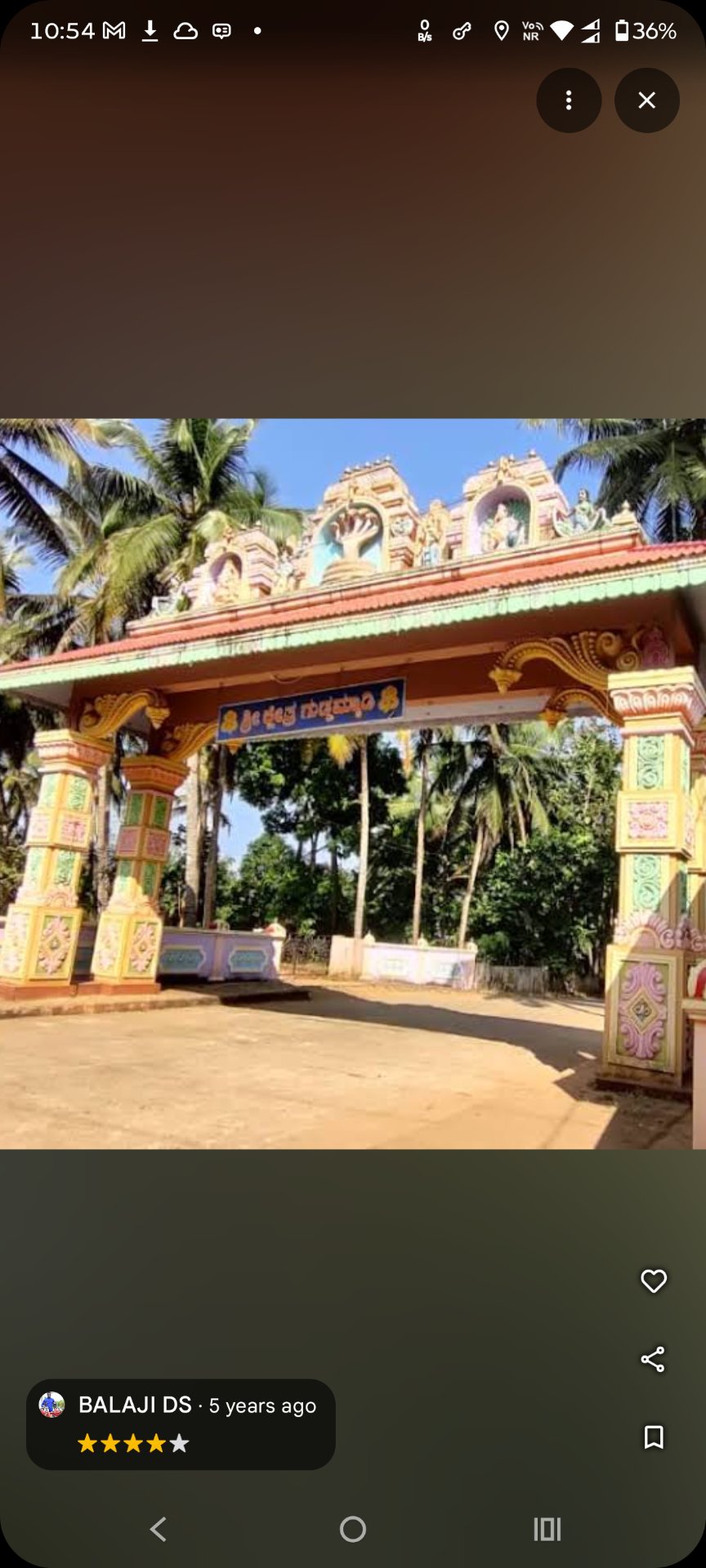
Sri Kshetra Guddammadi Subramanya Temple is a revered shrine dedicated to Lord Subramanya at Guddammadi in the Senapura area. Although the temple is administratively in Kundapura taluk, Guddammadi falls within the Byndoor Assembly constituency and is closely connected with the religious landscape of the wider Byndoor–Kundapura region.
The temple is especially known for its connection with Naga worship, making it an important place for devotees who follow the traditional Subramanya and serpent-worship practices of coastal Karnataka.
At Guddammadi, Lord Subramanya is worshipped as the principal deity. In coastal Karnataka, Subramanya worship has a particularly strong association with Naga Devata, or serpent deities.
This connection gives the temple a distinctive place within the religious traditions of Tulunadu. Devotees visit the shrine seeking blessings for family well-being, protection and the removal of difficulties traditionally associated with Naga worship.
The sacred traditions surrounding the temple are closely connected with the natural and spiritual culture of the coastal region.
The name Guddammadi is traditionally associated with a sacred natural mound or anthill connected with Naga Devata and Subramanya worship. Such natural formations have long held an important place in the religious traditions of coastal Karnataka.
For devotees, the presence of the sacred mound adds another dimension to the temple's identity. Subramanya is worshipped here not only as a divine warrior and son of Shiva and Parvati, but also through the region's longstanding serpent-worship traditions.
One of the important annual celebrations at Guddammadi is Kirushashti, a festival dedicated to Lord Subramanya.
The festival is traditionally observed over several days and attracts devotees from surrounding areas. The temple becomes particularly lively during this period, with special worship and devotional activities.
For the local community, Kirushashti is both a religious occasion and an important annual gathering.
Guddammadi is also associated with Nagamandala, one of the distinctive ritual traditions of coastal Karnataka.
Nagamandala is a ceremonial form of serpent worship involving a specially prepared mandala, devotional music, ritual performance and prayers to the Naga deities. It is deeply rooted in the cultural traditions of Tulunadu.
When such a ceremony is conducted at Guddammadi, the temple becomes a centre of elaborate traditional worship, bringing together religious devotion, local art and community participation.
Devotees can perform various traditional sevas at the temple. These include Tulabhara, Panchamrita Abhisheka, Ksheerabhisheka, Nagapooja and other offerings.
Such offerings form an important part of the devotional relationship between the temple and its visitors.
The temple also observes special worship during Sankramana, with annasantarpane traditionally forming part of the occasion.
Guddammadi is surrounded by the quieter landscape of Senapura, away from the larger towns and busy coastal tourist centres.
The surroundings have the characteristic appearance of coastal Karnataka, with greenery, village settlements, plantations and a peaceful rural atmosphere. The temple therefore offers a different experience from the larger pilgrimage centres nearby.
Visitors travelling through the Trasi–Maravanthe–Senapura side of the region can include Guddammadi as a cultural and spiritual stop.
What makes Guddammadi particularly interesting is the way several traditions come together here:
Subramanya worship + Naga worship + Tulunadu ritual traditions + village community life.
This combination is common to the wider religious culture of coastal Karnataka, but each temple has its own local identity. At Guddammadi, the connection between Lord Subramanya and Naga worship is especially prominent.
The temple can be visited throughout the year, while Kirushashti and special Naga-related rituals are particularly significant occasions.
On festival days, the atmosphere can be much busier than on an ordinary day. Visitors interested in witnessing Nagamandala or other special rituals should check the temple's festival calendar before planning their visit.
Guddammadi can be combined with several destinations in the surrounding region, including Trasi Beach, Maravanthe Beach and the villages around Senapura.
This makes it suitable for travellers who want to experience more than the beaches while travelling through the northern Udupi coast.
Sri Kshetra Guddammadi is special because it preserves an important part of the Subramanya and Naga worship traditions of coastal Karnataka.
The temple is not simply a shrine dedicated to Lord Subramanya. Its identity is built around the relationship between Subramanya, Naga Devata and the traditional religious culture of Tulunadu. The annual festivals and rituals keep these traditions alive and bring the surrounding community together.
For visitors exploring the lesser-known spiritual destinations around Byndoor, Guddammadi offers an opportunity to experience a quiet village temple with deep-rooted coastal traditions.
ಶ್ರೀ ಕ್ಷೇತ್ರ ಗುಡ್ಡಮ್ಮಾಡಿ
ಉಡುಪಿ ಜಿಲ್ಲೆಯ ಕುಂದಾಪುರ ತಾಲೂಕಿನ ಸೇನಾಪುರದ ಸಮೀಪದಲ್ಲಿರುವ ಶ್ರೀ ಕ್ಷೇತ್ರ ಗುಡ್ಡಮ್ಮಾಡಿ ಕರಾವಳಿ ಭಾಗದ ಪ್ರಮುಖ ಸುಬ್ರಹ್ಮಣ್ಯ ಕ್ಷೇತ್ರಗಳಲ್ಲಿ ಒಂದು. ಆಡಳಿತಾತ್ಮಕವಾಗಿ ಇದು ಕುಂದಾಪುರ ತಾಲೂಕಿನಲ್ಲಿದ್ದರೂ, ಬೈಂದೂರು ಭಾಗದ ಜನರಿಗೂ ಗುಡ್ಡಮ್ಮಾಡಿ ಬಹಳ ಪರಿಚಿತವಾದ ಧಾರ್ಮಿಕ ಕ್ಷೇತ್ರ. ಶ್ರೀ ಸುಬ್ರಹ್ಮಣ್ಯ ಸ್ವಾಮಿಯ ಆರಾಧನೆಯ ಜೊತೆಗೆ ನಾಗಾರಾಧನೆಗೂ ಇಲ್ಲಿ ವಿಶೇಷ ಸ್ಥಾನವಿದೆ.
ಗುಡ್ಡಮ್ಮಾಡಿ ಕ್ಷೇತ್ರದ ಹೆಸರು ಕೇಳಿದಾಗ ಮೊದಲು ನೆನಪಾಗುವುದು ಸುಬ್ರಹ್ಮಣ್ಯ ಸ್ವಾಮಿ ಮತ್ತು ನಾಗದೇವರ ಆರಾಧನೆ. ಕರಾವಳಿ ಕರ್ನಾಟಕದ ದೇವಾಲಯಗಳಲ್ಲಿ ನಾಗಾರಾಧನೆಗೆ ಇರುವ ಪ್ರಾಮುಖ್ಯತೆ ಇಲ್ಲಿ ಸ್ಪಷ್ಟವಾಗಿ ಕಾಣುತ್ತದೆ. ಈ ಕ್ಷೇತ್ರದ ಪೂಜೆ, ಹರಕೆ ಮತ್ತು ವಾರ್ಷಿಕ ಆಚರಣೆಗಳಲ್ಲಿ ನಾಗಾರಾಧನೆಯ ಪರಂಪರೆ ಪ್ರಮುಖ ಭಾಗವಾಗಿದೆ.
ಗುಡ್ಡಮ್ಮಾಡಿ ದೇವಸ್ಥಾನದ ಪ್ರಧಾನ ದೇವರು ಶ್ರೀ ಸುಬ್ರಹ್ಮಣ್ಯ ಸ್ವಾಮಿ. ಸುಬ್ರಹ್ಮಣ್ಯನನ್ನು ನಾಗದೇವರೊಂದಿಗೆ ಸಂಬಂಧಿಸಿ ಆರಾಧಿಸುವ ಪರಂಪರೆ ಕರಾವಳಿ ಭಾಗದಲ್ಲಿ ಬಹಳ ಹಳೆಯದು. ಗುಡ್ಡಮ್ಮಾಡಿಯಲ್ಲಿಯೂ ಇದೇ ಆರಾಧನಾ ಪದ್ಧತಿ ಕ್ಷೇತ್ರದ ಪ್ರಮುಖ ಗುರುತಾಗಿದೆ.
ಇಲ್ಲಿ ಸಾಮಾನ್ಯ ದಿನಗಳಲ್ಲೂ ನಿತ್ಯ ಪೂಜೆ ಮತ್ತು ಮಂಗಳಾರತಿ ನಡೆಯುತ್ತದೆ. ಭಕ್ತರು ತಮ್ಮ ಹರಕೆಗಳಿಗಾಗಿ ವಿವಿಧ ಸೇವೆಗಳನ್ನು ಸಲ್ಲಿಸುತ್ತಾರೆ. ತುಲಾಭಾರ, ಪಂಚಾಮೃತ ಅಭಿಷೇಕ, ಕ್ಷೀರಾಭಿಷೇಕ, ನಾಗಪೂಜೆ ಸೇರಿದಂತೆ ಹಲವು ಸೇವೆಗಳು ಇಲ್ಲಿ ನಡೆಯುತ್ತವೆ.
ನಾಗಪೂಜೆಗೆ ಸಂಬಂಧಿಸಿದ ಹರಕೆಗಳನ್ನು ಸಲ್ಲಿಸಲು ಬರುವ ಭಕ್ತರಿಗೆ ಗುಡ್ಡಮ್ಮಾಡಿ ವಿಶೇಷ ಕ್ಷೇತ್ರವಾಗಿದೆ. ಸುಬ್ರಹ್ಮಣ್ಯ ಆರಾಧನೆಯ ಜೊತೆಗೆ ನಾಗದೇವರ ಆರಾಧನೆ ಇರುವುದರಿಂದ ಈ ಕ್ಷೇತ್ರದ ಪೂಜಾ ಪರಂಪರೆ ಕರಾವಳಿಯ ಇತರ ಕೆಲವು ಸುಬ್ರಹ್ಮಣ್ಯ ಕ್ಷೇತ್ರಗಳೊಂದಿಗೆ ಸಾಮ್ಯ ಹೊಂದಿದ್ದರೂ, ಗುಡ್ಡಮ್ಮಾಡಿಗೆ ತನ್ನದೇ ಆದ ಸ್ಥಳೀಯ ಆಚರಣೆಗಳಿವೆ.
ಗುಡ್ಡಮ್ಮಾಡಿ ಎಂಬ ಹೆಸರಿನೊಂದಿಗೆ ಇಲ್ಲಿನ ನಾಗಾರಾಧನೆ ಮತ್ತು ಹುತ್ತದ ಆರಾಧನೆಗೆ ಸಂಬಂಧವಿದೆ. ಕ್ಷೇತ್ರದ ಹೆಸರಿನಲ್ಲೇ ಇರುವ ‘ಗುಡ್ಡ’ ಅಥವಾ ಪವಿತ್ರ ಮಣ್ಣಿನ ರಚನೆಯೊಂದಿಗೆ ನಾಗದೇವರ ಆರಾಧನೆಯ ಪರಂಪರೆ ಜೋಡಿಸಿಕೊಂಡಿದೆ.
ಕರಾವಳಿ ಕರ್ನಾಟಕದಲ್ಲಿ ಹುತ್ತಗಳು ಕೇವಲ ನೈಸರ್ಗಿಕ ರಚನೆಗಳಾಗಿ ಕಾಣುವುದಿಲ್ಲ. ನಾಗದೇವರ ಸಾನ್ನಿಧ್ಯವಿರುವ ಪವಿತ್ರ ಸ್ಥಳಗಳೆಂದು ಅವುಗಳನ್ನು ಪೂಜಿಸುವ ಸಂಪ್ರದಾಯವಿದೆ. ಸುಬ್ರಹ್ಮಣ್ಯನನ್ನು ನಾಗರೂಪದೊಂದಿಗೆ ಆರಾಧಿಸುವ ಪದ್ಧತಿಯೂ ಇದೇ ಧಾರ್ಮಿಕ ಹಿನ್ನೆಲೆಯ ಭಾಗವಾಗಿದೆ.
ಗುಡ್ಡಮ್ಮಾಡಿಯ ಕ್ಷೇತ್ರಪರಂಪರೆಯಲ್ಲಿಯೂ ಈ ಸಂಬಂಧ ಪ್ರಮುಖವಾಗಿದೆ. ಅದರಿಂದಲೇ ದೇವಸ್ಥಾನದ ಧಾರ್ಮಿಕ ಗುರುತು ಕೇವಲ ಸುಬ್ರಹ್ಮಣ್ಯ ಸ್ವಾಮಿ ದೇವಸ್ಥಾನ ಎಂಬುದಕ್ಕಿಂತ ಸುಬ್ರಹ್ಮಣ್ಯ–ನಾಗಾರಾಧನೆಯ ಕ್ಷೇತ್ರ ಎಂಬ ರೀತಿಯಲ್ಲಿ ರೂಪುಗೊಂಡಿದೆ.
ಗುಡ್ಡಮ್ಮಾಡಿಯ ಪ್ರಮುಖ ವಾರ್ಷಿಕ ಕಾರ್ಯಕ್ರಮಗಳಲ್ಲಿ ಕಿರುಷಷ್ಠಿ ಮಹೋತ್ಸವಕ್ಕೆ ವಿಶೇಷ ಸ್ಥಾನವಿದೆ. ಷಷ್ಠಿ ದಿನಗಳು ಸುಬ್ರಹ್ಮಣ್ಯ ಸ್ವಾಮಿಯ ಆರಾಧನೆಗೆ ಮಹತ್ವದ್ದಾಗಿದ್ದು, ಗುಡ್ಡಮ್ಮಾಡಿಯಲ್ಲಿ ಈ ಸಂದರ್ಭದಲ್ಲಿ ದೇವಸ್ಥಾನದಲ್ಲಿ ವಿಶೇಷ ಪೂಜೆ ಮತ್ತು ಧಾರ್ಮಿಕ ಕಾರ್ಯಕ್ರಮಗಳು ನಡೆಯುತ್ತವೆ.
ಕಿರುಷಷ್ಠಿಯ ಸಂದರ್ಭದಲ್ಲಿ ಬೈಂದೂರು, ಶಿರೂರು, ಕುಂದಾಪುರ ಮತ್ತು ಸುತ್ತಮುತ್ತಲಿನ ಕರಾವಳಿ ಪ್ರದೇಶಗಳಿಂದ ಭಕ್ತರು ಕ್ಷೇತ್ರಕ್ಕೆ ಬರುತ್ತಾರೆ. ಸಾಮಾನ್ಯ ದಿನಗಳಿಗಿಂತ ದೇವಸ್ಥಾನದ ಸುತ್ತಲಿನ ಚಟುವಟಿಕೆ ಹೆಚ್ಚಾಗುತ್ತದೆ. ವಿಶೇಷ ಪೂಜೆ, ಸೇವೆ ಮತ್ತು ದೇವರ ದರ್ಶನಕ್ಕಾಗಿ ಭಕ್ತರು ಭಾಗವಹಿಸುತ್ತಾರೆ.
ಈ ದಿನಗಳಲ್ಲಿ ಗುಡ್ಡಮ್ಮಾಡಿ ದೇವಸ್ಥಾನವು ಕೇವಲ ಪೂಜೆಯ ಸ್ಥಳವಾಗಿರುವುದಿಲ್ಲ. ಸುತ್ತಮುತ್ತಲಿನ ಗ್ರಾಮಗಳಿಂದ ಜನರು ಒಂದೇ ಕಡೆ ಸೇರುವ ವಾರ್ಷಿಕ ಧಾರ್ಮಿಕ ಸಂದರ್ಭವಾಗುತ್ತದೆ.
ಗುಡ್ಡಮ್ಮಾಡಿ ಕ್ಷೇತ್ರದ ಅತ್ಯಂತ ಗಮನಾರ್ಹ ಆಚರಣೆಗಳಲ್ಲಿ ನಾಗಮಂಡಲೋತ್ಸವವೂ ಒಂದು.
ನಾಗಮಂಡಲವು ಕರಾವಳಿ ಕರ್ನಾಟಕದ ವಿಶಿಷ್ಟ ನಾಗಾರಾಧನಾ ಸಂಪ್ರದಾಯ. ಇದರಲ್ಲಿ ನಾಗದೇವರ ಆರಾಧನೆಗೆ ವಿಶೇಷ ಮಂಡಲ ರಚಿಸಿ, ನಾಗನರ್ತನ, ವಾದ್ಯ, ಹಾಡು ಮತ್ತು ಧಾರ್ಮಿಕ ವಿಧಿವಿಧಾನಗಳ ಮೂಲಕ ಪೂಜೆ ನಡೆಯುತ್ತದೆ.
ಗುಡ್ಡಮ್ಮಾಡಿಯಲ್ಲಿ ನಾಗಮಂಡಲ ನಡೆಯುವ ಸಂದರ್ಭದಲ್ಲಿ ಕ್ಷೇತ್ರದ ವಾತಾವರಣವೇ ಬದಲಾಗುತ್ತದೆ. ನಾಗನರ್ತನದೊಂದಿಗೆ ನಡೆಯುವ ಹಾಡು, ಸಂಭಾಷಣೆ, ಡಮರು ಮತ್ತು ಇತರ ವಾದ್ಯಗಳ ಲಯ, ನಾಗನರ್ತಕನ ಹಾಗೂ ನಾಗನರ್ತಕಿಯ ನೃತ್ಯ — ಇವೆಲ್ಲವೂ ಸೇರಿ ಕರಾವಳಿಯ ಪಾರಂಪರಿಕ ಆರಾಧನಾ ಕಲೆಯ ಒಂದು ರೂಪವನ್ನು ಇಲ್ಲಿ ಕಾಣಬಹುದು.
ನಾಗಮಂಡಲವನ್ನು ಕೇವಲ ಒಂದು ಪೂಜಾ ಕಾರ್ಯಕ್ರಮವಾಗಿ ನೋಡಲು ಸಾಧ್ಯವಿಲ್ಲ. ಇದು ತುಳುನಾಡಿನ ಜನಪದ ಧಾರ್ಮಿಕ ಪರಂಪರೆ, ಸಂಗೀತ, ನೃತ್ಯ ಮತ್ತು ನಾಗಾರಾಧನೆಯನ್ನು ಒಂದೇ ಆಚರಣೆಯಲ್ಲಿ ಸೇರಿಸುವ ವಿಶಿಷ್ಟ ಸಂಪ್ರದಾಯ.
ಕರಾವಳಿ ಕರ್ನಾಟಕದ ಧಾರ್ಮಿಕ ಸಂಸ್ಕೃತಿಯಲ್ಲಿ ನಾಗಾರಾಧನೆಗೆ ಬಹಳ ಹಳೆಯ ಸ್ಥಾನವಿದೆ. ಮನೆಯ ನಾಗಬನದಿಂದ ಹಿಡಿದು ದೊಡ್ಡ ದೇವಸ್ಥಾನಗಳವರೆಗೆ ನಾಗದೇವರ ಪೂಜೆ ಹಲವು ರೂಪಗಳಲ್ಲಿ ನಡೆಯುತ್ತದೆ.
ಗುಡ್ಡಮ್ಮಾಡಿಯಲ್ಲಿ ಈ ಪರಂಪರೆ ಶ್ರೀ ಸುಬ್ರಹ್ಮಣ್ಯ ಸ್ವಾಮಿಯ ಆರಾಧನೆಯೊಂದಿಗೆ ನೇರವಾಗಿ ಸೇರಿಕೊಂಡಿದೆ. ಆದ್ದರಿಂದ ಇಲ್ಲಿ ಬರುವ ಭಕ್ತರಲ್ಲಿ ನಾಗಪೂಜೆ ಮತ್ತು ನಾಗಸಂಬಂಧಿತ ಹರಕೆಗಳಿಗೆ ವಿಶೇಷ ಮಹತ್ವವಿದೆ.
ನಾಗಪೂಜೆ, ಅಭಿಷೇಕ ಮತ್ತು ಇತರ ಸೇವೆಗಳನ್ನು ಭಕ್ತರು ತಮ್ಮ ಕುಟುಂಬದ ಹರಕೆಗಳ ಭಾಗವಾಗಿ ಸಲ್ಲಿಸುತ್ತಾರೆ. ಕ್ಷೇತ್ರದಲ್ಲಿ ನಡೆಯುವ ಈ ಪೂಜಾ ಕ್ರಮಗಳು ಕರಾವಳಿಯ ಹಳೆಯ ನಾಗಾರಾಧನಾ ಸಂಪ್ರದಾಯವನ್ನು ಇಂದಿಗೂ ಜೀವಂತವಾಗಿರಿಸುತ್ತವೆ.
ಗುಡ್ಡಮ್ಮಾಡಿ ಕ್ಷೇತ್ರದಲ್ಲಿ ಮಕರ ಸಂಕ್ರಮಣದಂದು ವಿಶೇಷ ಪೂಜೆ ಮತ್ತು ಅನ್ನಸಂತರ್ಪಣೆ ನಡೆಯುತ್ತದೆ. ಈ ದಿನ ದೇವರಿಗೆ ವಿಶೇಷ ಆರಾಧನೆ ಸಲ್ಲಿಸಿ ನಂತರ ಭಕ್ತರಿಗೆ ಪ್ರಸಾದ ಮತ್ತು ಅನ್ನಸಂತರ್ಪಣೆ ಮಾಡಲಾಗುತ್ತದೆ.
ಸಂಕ್ರಮಣದಂತಹ ಹಬ್ಬದ ದಿನಗಳಲ್ಲಿ ದೇವಾಲಯಕ್ಕೆ ಬರುವ ಜನರ ಸಂಖ್ಯೆ ಹೆಚ್ಚಾಗುತ್ತದೆ. ಪೂಜೆ ಮುಗಿದ ನಂತರ ಅನ್ನಸಂತರ್ಪಣೆಯಲ್ಲಿ ಭಾಗವಹಿಸುವುದು ಇಲ್ಲಿನ ಧಾರ್ಮಿಕ ಕಾರ್ಯಕ್ರಮದ ಒಂದು ಭಾಗವಾಗಿದೆ.
ಗುಡ್ಡಮ್ಮಾಡಿಯಲ್ಲಿ ನಡೆಯುವ ಸೇವೆಗಳಲ್ಲಿ ಭಕ್ತರು ತಮ್ಮ ಹರಕೆಗೆ ಅನುಗುಣವಾಗಿ ವಿವಿಧ ಪೂಜೆಗಳನ್ನು ಆಯ್ಕೆ ಮಾಡಬಹುದು. ತುಲಾಭಾರ, ಕ್ಷೀರಾಭಿಷೇಕ, ಪಂಚಾಮೃತ ಅಭಿಷೇಕ ಮತ್ತು ನಾಗಪೂಜೆ ಪ್ರಮುಖ ಸೇವೆಗಳಲ್ಲಿ ಸೇರಿವೆ. ನಿತ್ಯ ಪೂಜೆ ಮತ್ತು ಮಂಗಳಾರತಿಯೂ ನಡೆಯುತ್ತದೆ.
ಈ ಸೇವೆಗಳ ಮೂಲಕ ದೇವಸ್ಥಾನದ ದೈನಂದಿನ ಪೂಜಾ ವ್ಯವಸ್ಥೆ ನಿರಂತರವಾಗಿ ಸಾಗುತ್ತದೆ. ವಿಶೇಷ ಹಬ್ಬಗಳ ಸಂದರ್ಭದಲ್ಲಿ ಸಾಮಾನ್ಯ ಪೂಜೆಯ ಜೊತೆಗೆ ಹೆಚ್ಚುವರಿ ಧಾರ್ಮಿಕ ಕಾರ್ಯಕ್ರಮಗಳು ನಡೆಯುತ್ತವೆ.
ಗುಡ್ಡಮ್ಮಾಡಿ ದೇವಸ್ಥಾನವು ದೊಡ್ಡ ನಗರ ಅಥವಾ ಜನನಿಬಿಡ ಪ್ರದೇಶದ ಮಧ್ಯದಲ್ಲಿರುವ ದೇವಾಲಯವಲ್ಲ. ಸೇನಾಪುರದ ಸುತ್ತಲಿನ ಗ್ರಾಮೀಣ ಪರಿಸರ, ಹಸಿರು ಪ್ರದೇಶಗಳು, ತೋಟಗಳು ಮತ್ತು ಸಣ್ಣ ಗ್ರಾಮೀಣ ವಸತಿಗಳ ನಡುವೆ ಕ್ಷೇತ್ರವಿದೆ.
ಈ ಭಾಗದಲ್ಲಿ ಕರಾವಳಿ ಕರ್ನಾಟಕದ ಸಾಮಾನ್ಯ ಗ್ರಾಮೀಣ ಸ್ವರೂಪ ಕಾಣಿಸುತ್ತದೆ. ತೆಂಗಿನ ಮರಗಳು, ಅಡಿಕೆ ತೋಟಗಳು, ಹಸಿರು ಪ್ರದೇಶಗಳು ಮತ್ತು ಸಣ್ಣ ಗ್ರಾಮೀಣ ರಸ್ತೆಗಳ ನಡುವೆ ದೇವಸ್ಥಾನಕ್ಕೆ ಹೋಗುವ ದಾರಿ ಸಾಗುತ್ತದೆ.
ಮರವಂತೆ, ತ್ರಾಸಿ ಮತ್ತು ಸೇನಾಪುರ ಭಾಗಗಳನ್ನು ನೋಡಲು ಬರುವವರಿಗೆ ಗುಡ್ಡಮ್ಮಾಡಿ ಬೇರೆ ರೀತಿಯ ಸ್ಥಳವನ್ನು ಪರಿಚಯಿಸುತ್ತದೆ. ಸಮುದ್ರತೀರದ ಪ್ರವಾಸಕ್ಕಿಂತ ಭಿನ್ನವಾಗಿ ಇಲ್ಲಿ ಕರಾವಳಿಯ ಗ್ರಾಮೀಣ ಧಾರ್ಮಿಕ ಸಂಸ್ಕೃತಿಯನ್ನು ನೋಡಬಹುದು.
ಗುಡ್ಡಮ್ಮಾಡಿ ಆಡಳಿತಾತ್ಮಕವಾಗಿ ಕುಂದಾಪುರ ತಾಲೂಕಿನಲ್ಲಿದ್ದರೂ, ಬೈಂದೂರು ಭಾಗದ ಜನರಿಗೂ ಈ ಕ್ಷೇತ್ರದೊಂದಿಗೆ ನಿಕಟ ಸಂಪರ್ಕವಿದೆ. ಬೈಂದೂರು, ಶಿರೂರು, ಕುಂದಾಪುರ ಮತ್ತು ಸುತ್ತಮುತ್ತಲಿನ ಪ್ರದೇಶಗಳಿಂದ ಭಕ್ತರು ಪ್ರಮುಖ ಹಬ್ಬಗಳ ಸಂದರ್ಭದಲ್ಲಿ ಕ್ಷೇತ್ರಕ್ಕೆ ಬರುತ್ತಾರೆ. ಕಿರುಷಷ್ಠಿಯಂತಹ ಕಾರ್ಯಕ್ರಮಗಳು ಈ ಸಂಪರ್ಕವನ್ನು ಇನ್ನಷ್ಟು ಸ್ಪಷ್ಟವಾಗಿ ತೋರಿಸುತ್ತವೆ.
ಬೈಂದೂರು ಭಾಗದಿಂದ ಮರವಂತೆ ಕಡೆಗೆ ಹೋಗುವಾಗ ಅಥವಾ ಸೇನಾಪುರದ ಸುತ್ತಮುತ್ತ ಸಂಚರಿಸುವಾಗ ಗುಡ್ಡಮ್ಮಾಡಿಯನ್ನು ಧಾರ್ಮಿಕ ಕ್ಷೇತ್ರವಾಗಿ ಸೇರಿಸಿಕೊಳ್ಳಬಹುದು. ಇದು ದೊಡ್ಡ ಪ್ರವಾಸಿ ಕೇಂದ್ರದಂತೆ ರೂಪುಗೊಂಡ ಸ್ಥಳವಲ್ಲ; ತನ್ನದೇ ಆದ ಆಚರಣೆಗಳು ಮತ್ತು ಭಕ್ತಿಪರಂಪರೆಯನ್ನು ಉಳಿಸಿಕೊಂಡಿರುವ ಕ್ಷೇತ್ರ.
ಶ್ರೀ ಕ್ಷೇತ್ರ ಗುಡ್ಡಮ್ಮಾಡಿಯ ಪ್ರಮುಖ ಗುರುತು ಸುಬ್ರಹ್ಮಣ್ಯ ಸ್ವಾಮಿ ಮತ್ತು ನಾಗದೇವರ ಆರಾಧನೆಯ ನಡುವಿನ ನಂಟು. ಅದರ ಜೊತೆಗೆ ಕಿರುಷಷ್ಠಿ, ನಾಗಮಂಡಲೋತ್ಸವ, ನಾಗಪೂಜೆ, ಮಕರ ಸಂಕ್ರಮಣದ ವಿಶೇಷ ಪೂಜೆ ಮತ್ತು ಅನ್ನಸಂತರ್ಪಣೆಗಳು ಕ್ಷೇತ್ರದ ಧಾರ್ಮಿಕ ಜೀವನದ ಪ್ರಮುಖ ಭಾಗಗಳಾಗಿವೆ.
ವಿಶೇಷವಾಗಿ ನಾಗಮಂಡಲೋತ್ಸವದಂತಹ ಆಚರಣೆಗಳು ಗುಡ್ಡಮ್ಮಾಡಿಯನ್ನು ಕರಾವಳಿ ಕರ್ನಾಟಕದ ಇತರ ಸಾಮಾನ್ಯ ದೇವಸ್ಥಾನಗಳಿಂದ ಪ್ರತ್ಯೇಕವಾಗಿ ಗುರುತಿಸುತ್ತವೆ. ಇಲ್ಲಿ ಧಾರ್ಮಿಕ ಆಚರಣೆಯ ಜೊತೆಗೆ ತುಳುನಾಡಿನ ಪಾರಂಪರಿಕ ನೃತ್ಯ, ಸಂಗೀತ ಮತ್ತು ನಾಗಾರಾಧನೆಯ ರೂಪವೂ ಕಾಣಿಸುತ್ತದೆ.
ಗುಡ್ಡಮ್ಮಾಡಿಗೆ ಭೇಟಿ ನೀಡಿದಾಗ ದೇವರ ದರ್ಶನದ ಜೊತೆಗೆ ಈ ಕ್ಷೇತ್ರದ ನಾಗಾರಾಧನಾ ಪರಂಪರೆ, ಕಿರುಷಷ್ಠಿಯ ಆಚರಣೆ ಮತ್ತು ನಾಗಮಂಡಲದಂತಹ ಸ್ಥಳೀಯ ಸಂಪ್ರದಾಯಗಳು ಗಮನಿಸಬೇಕಾದ ಮುಖ್ಯ ವಿಷಯಗಳು. ಇವುಗಳೇ ಶ್ರೀ ಕ್ಷೇತ್ರ ಗುಡ್ಡಮ್ಮಾಡಿಯ ಸ್ವಂತ ಗುರುತನ್ನು ರೂಪಿಸಿವೆ.
🚆 By train: Nearest Railway station Senapura Railway Station about just 1km (local) and Kundapura Railway Station about 18km (express).
✈️ By air: Mangalore International Airport about 108km
Places usually visited on the same trip.