Deeply embedded within the spiritual heartland of Kamalashile near the banks of the Kubja River, the Suparshva Cave Temple is a mesmerizing subterranean sanctuary steeped in ancient mythology. Unlike open structural shrines, the primary focus of this sacred site is an awe-inspiring natural geological cave formation where ancient sages are traditionally believed to have meditated. The cave is revered not only for its profound mystic energy and silent seclusion but also for its intimate connection to the primary deity, with deep crevices and limestone corridors guiding visitors into the very womb of the earth. It represents a rare confluence of raw Western Ghats geology and timeless, ascetic devotion, offering an intensely atmospheric retreat from the outside world.
ಉಡುಪಿ ಜಿಲ್ಲೆಯ ಪ್ರಸಿದ್ಧ ಧಾರ್ಮಿಕ ಕ್ಷೇತ್ರವಾದ ಕಮಲಶಿಲೆಯ ಶ್ರೀ ಬ್ರಾಹ್ಮಿ ದುರ್ಗಾಪರಮೇಶ್ವರಿ ದೇವಸ್ಥಾನದಿಂದ ಕೆಲವೇ ಕಿಲೋಮೀಟರ್ ದೂರದಲ್ಲಿ, ಹಳ್ಳಿಹೊಳೆ ಮಾರ್ಗವಾಗಿ ಸಾಗುವ ದಟ್ಟವಾದ ಅರಣ್ಯ ಪ್ರದೇಶದಲ್ಲಿ ಸುಪಾರ್ಶ್ವ ಗುಹಾಲಯ ನೆಲೆಗೊಂಡಿದೆ. ಪೌರಾಣಿಕ ಹಿನ್ನೆಲೆಯ ಪ್ರಕಾರ, ಕೃತಯುಗದಲ್ಲಿ ಸುಪಾರ್ಶ್ವ ಎನ್ನುವ ರಾಜನು ಈ ಗುಹೆಯಲ್ಲಿ ತಪಸ್ಸನ್ನು ಆಚರಿಸಿದ್ದರಿಂದ ಈ ಸ್ಥಳಕ್ಕೆ 'ಸುಪಾರ್ಶ್ವ ಗುಹೆ' ಎಂಬ ಹೆಸರು ಬಂದಿದೆ. ಗುಹೆಯ ಪ್ರವೇಶದ್ವಾರದಲ್ಲಿ ಭೈರವ ಸ್ವಾಮಿಯ ಸನ್ನಿಧಿಯಿದ್ದು, ಒಳಭಾಗದಲ್ಲಿ ಮಹಾಕಾಳಿ, ಮಹಾಲಕ್ಷ್ಮಿ ಹಾಗೂ ಮಹಾಸರಸ್ವತಿಯವರ ತ್ರಿಶಕ್ತಿ ಉದ್ಭವ ಲಿಂಗಗಳು ಹಾಗೂ ಪವಿತ್ರ ನಾಗತೀರ್ಥದ ಮೂಲವು ಕಂಡುಬರುತ್ತದೆ.
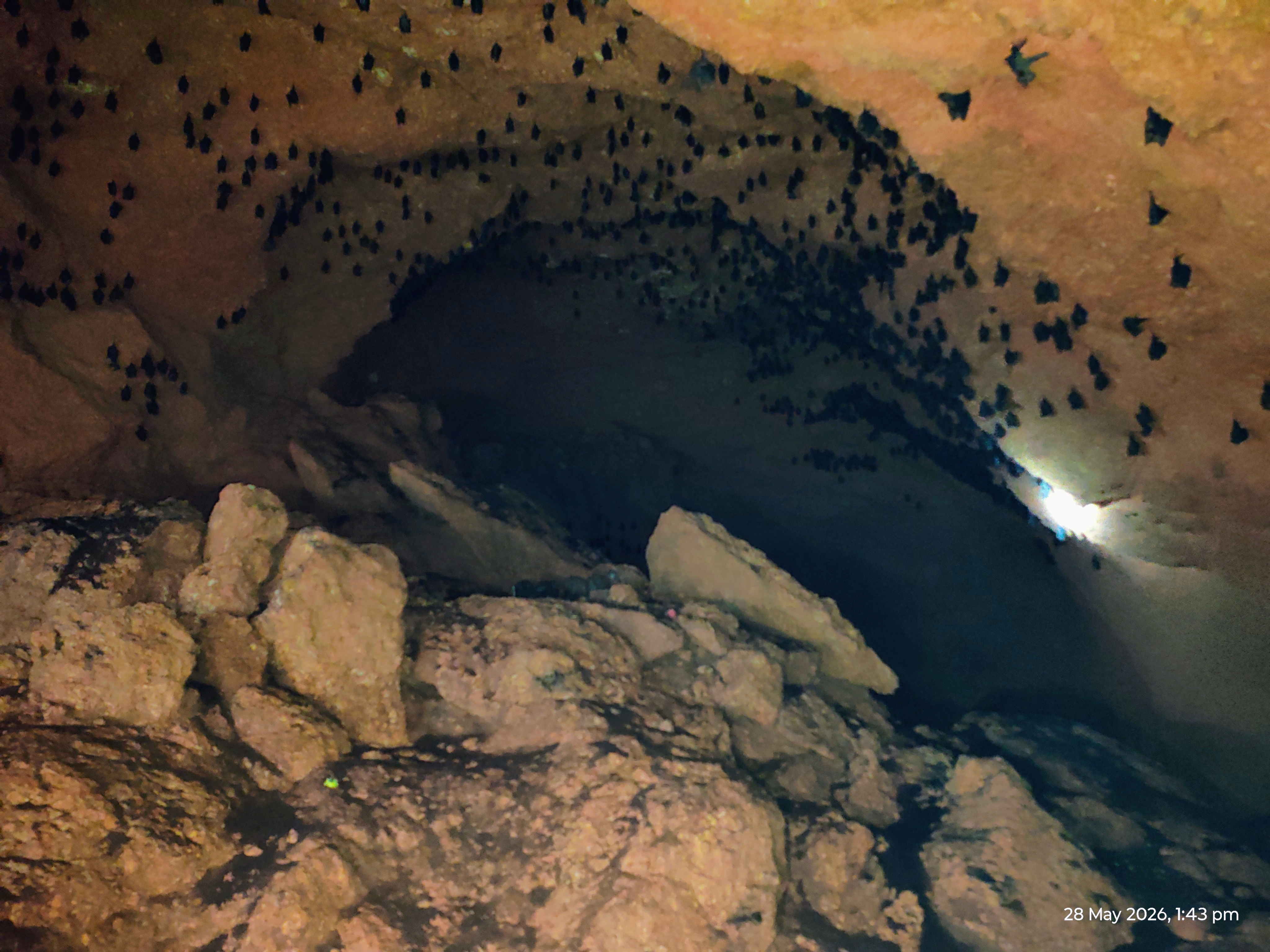
ಈ ಗುಹೆಯು ಸಾಹಸಪ್ರಿಯರು ಮತ್ತು ಆಧ್ಯಾತ್ಮಿಕ ಒಲವುಳ್ಳವರಿಗೆ ಅತ್ಯಂತ ರೋಮಾಂಚಕ ಅನುಭವವನ್ನು ನೀಡುತ್ತದೆ. ಗುಹೆಯ ಒಳಗೆ ಸಾಗಲು ಕಿರಿದಾದ ಮೆಟ್ಟಿಲುಗಳ ಮೂಲಕ ಕೆಳಮುಖವಾಗಿ ಇಳಿದು ಹೋಗಬೇಕಾಗುತ್ತದೆ. ಒಳಗೆ ಸಂಪೂರ್ಣ ಕತ್ತಲಿರುವುದರಿಂದ ಟಾರ್ಚ್ ಬೆಳಕಿನ ಸಹಾಯದಿಂದ ಮಾತ್ರ ಸಾಗಲು ಸಾಧ್ಯ. ಗುಹೆಯ ಮೇಲ್ಭಾಗದಲ್ಲಿ ನೂರಾರು ಬಾವಲಿಗಳು ಆಶ್ರಯ ಪಡೆದಿರುವುದನ್ನು ಕಾಣಬಹುದು. ಸುರಕ್ಷಿತ ಹಾಗೂ ಸರಿಯಾದ ಮಾರ್ಗದರ್ಶನಕ್ಕಾಗಿ ಕಮಲಶಿಲೆ ದೇವಸ್ಥಾನದ ಸಿಬ್ಬಂದಿ ಅಥವಾ ಸ್ಥಳೀಯರ ಸಹಾಯದೊಂದಿಗೆ ಈ ಗುಹೆಗೆ ಭೇಟಿ ನೀಡುವುದು ಅತ್ಯಂತ ಸೂಕ್ತವಾಗಿದೆ.
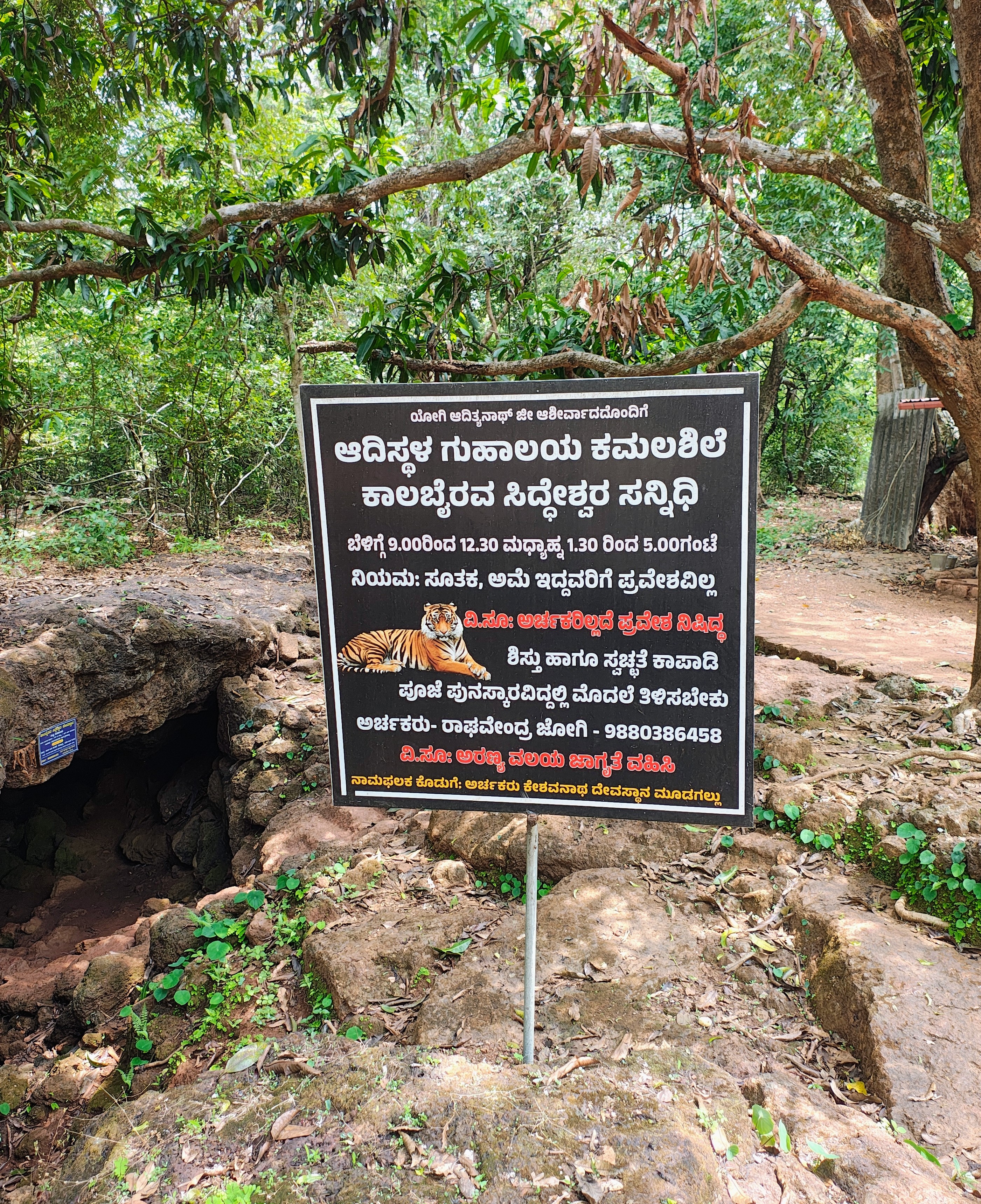
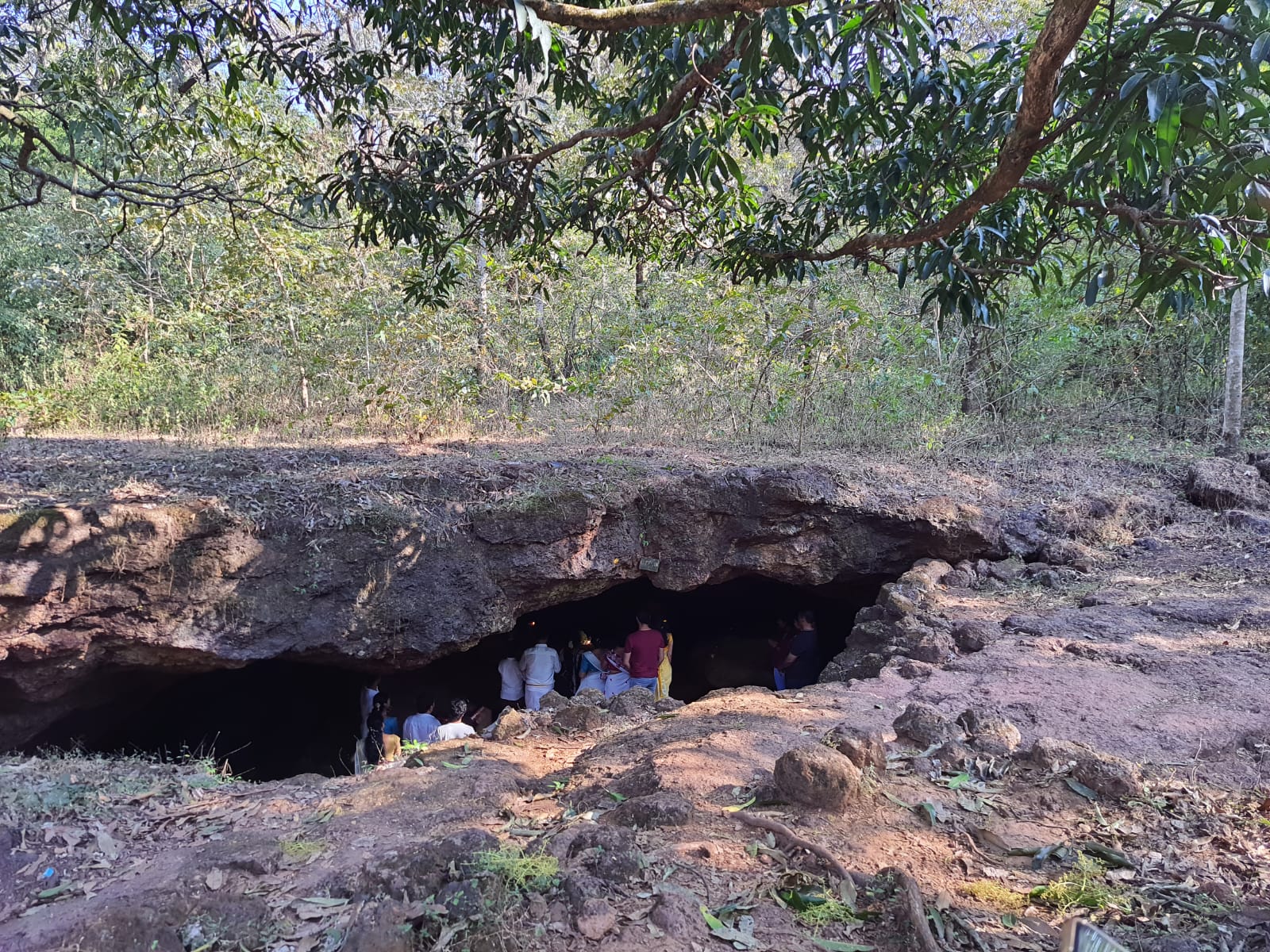
Suparshva Cave, also known as Suparshva Guhalaya, is a fascinating cave shrine near Kamalashile in the Western Ghats of Udupi district. Located a short distance from the Sri Brahmi Durgaparameshwari Temple, the cave is surrounded by evergreen forest and rocky hills, with the Kubja River flowing through the wider landscape.
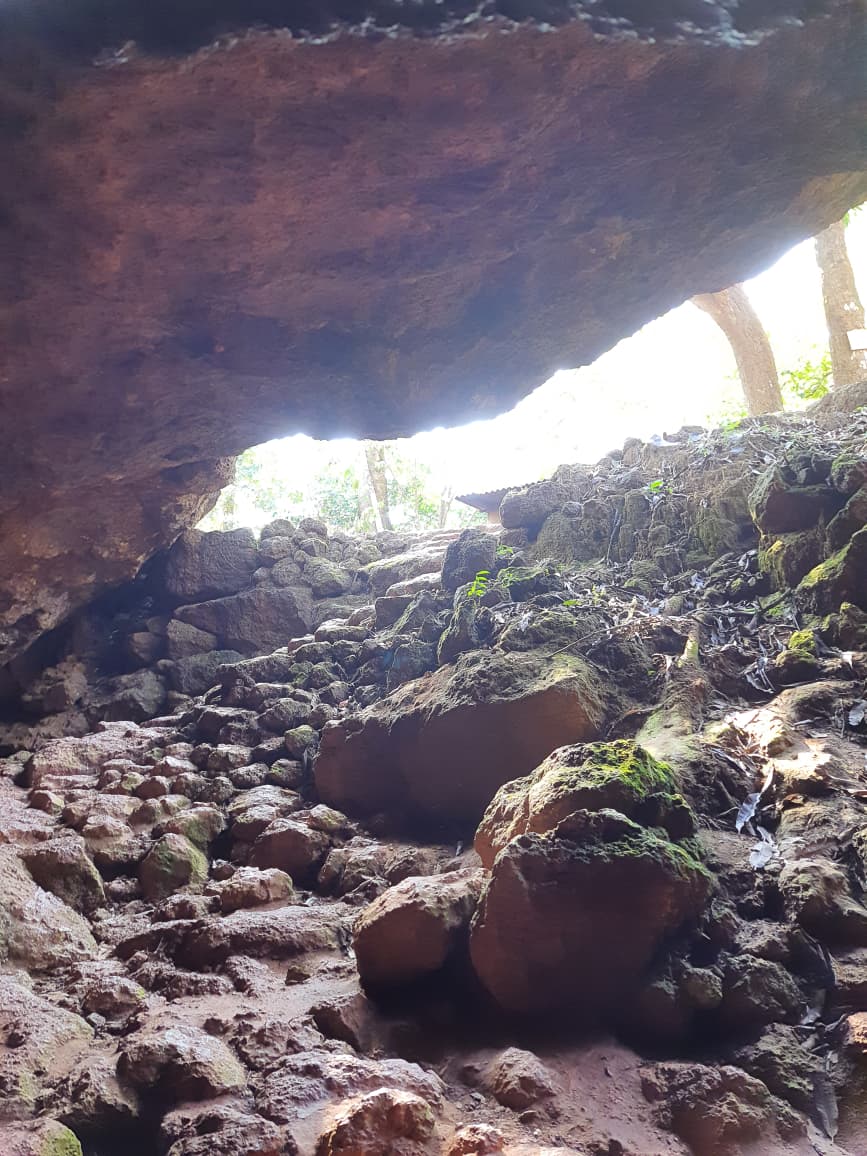
The cave is not a large, decorated temple in the usual sense. Its attraction comes from the natural rock formations, ancient-looking cave passages, sacred shrines and the traditions associated with sages who are believed to have performed penance here.
According to local temple tradition, the cave takes its name from King Suparshva, who came here in search of a secluded place for meditation and penance.
The traditional story says that Suparshva prayed to Lord Shiva for a place where his meditation would not be disturbed. Shiva is said to have appointed Bhairava to guard the entrance to the cave.
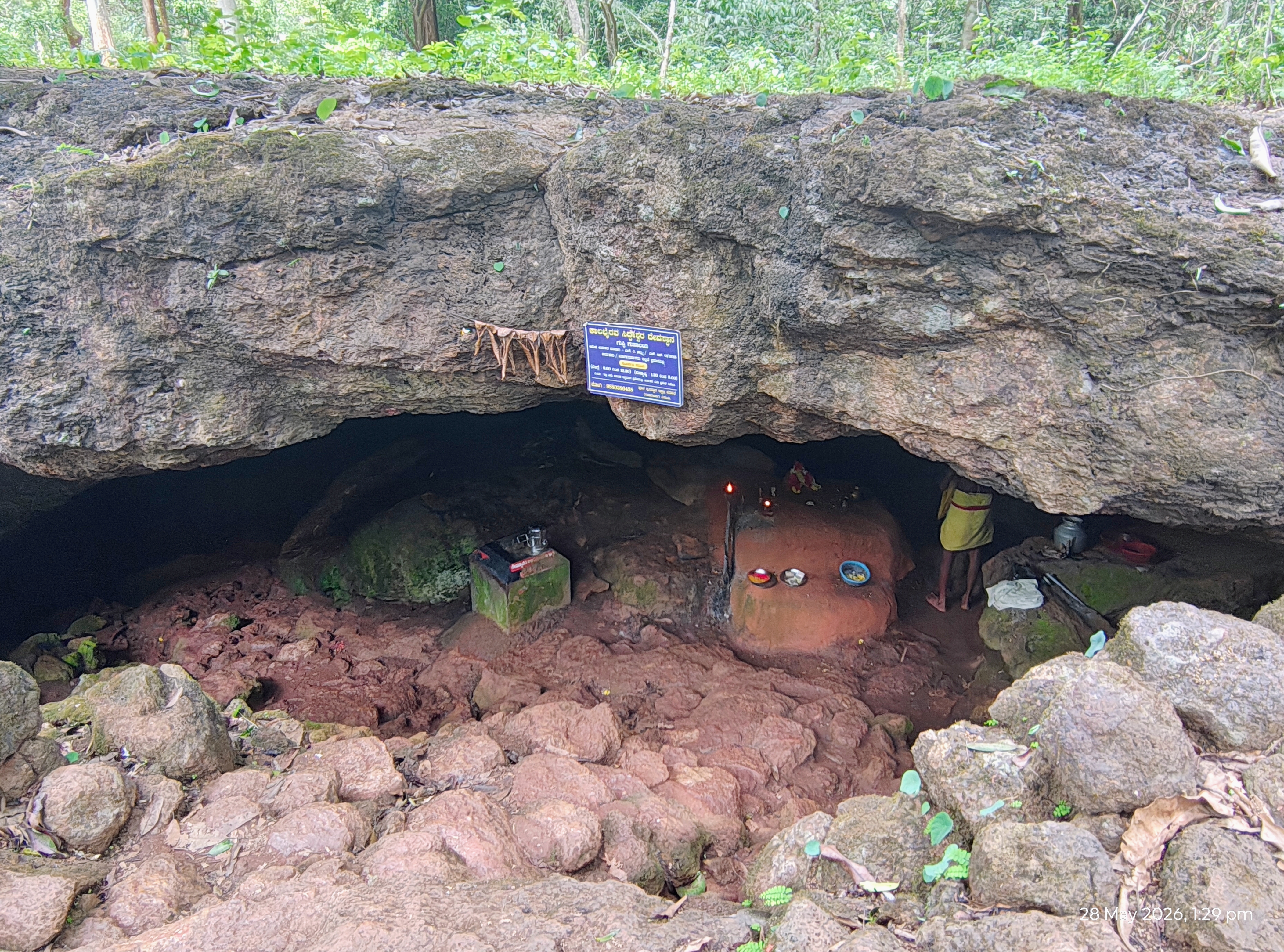
A shrine dedicated to Bhairava can still be seen near the entrance, giving visitors a sense of the connection between the cave and this old tradition.
The story also associates the cave with several sages and spiritual practitioners who are believed to have used the secluded surroundings for meditation.
The visit begins at the entrance of the cave, where Bhairava is worshipped as the guardian of the sacred space.
From there, the cave gradually narrows and opens into different sections. The natural rock formations create a completely different atmosphere from the temple outside. The interior is cool, dark and naturally shaped, with water flowing through parts of the cave.
Visitors generally enter with the assistance of a guide, particularly because the cave has uneven surfaces and several sections where the route is not immediately obvious.
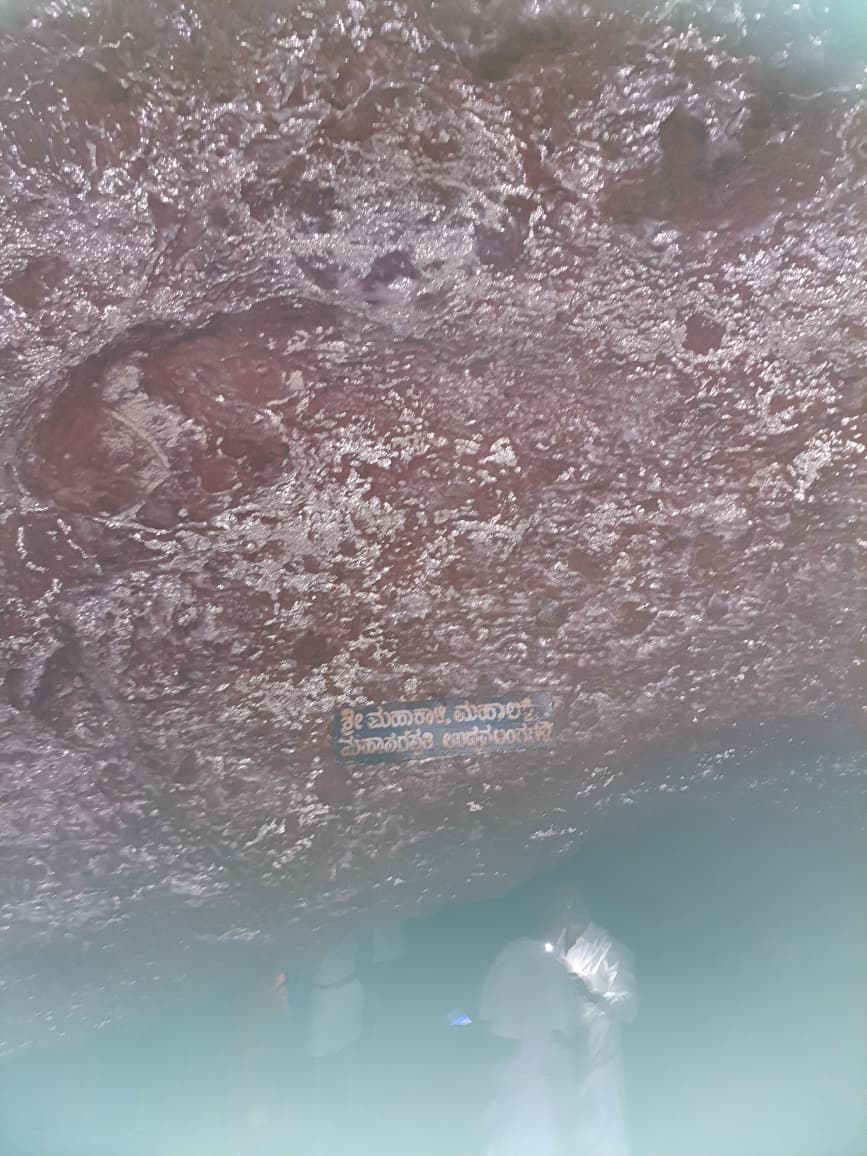
One of the most important features inside Suparshva Cave is a group of three Shiva Lingas traditionally identified with the three forms of Shakti—Kali, Lakshmi and Saraswati.
This is known as the Tri-Shakti Linga tradition. The three forms represent different aspects of divine power:
Kali — strength and protection
Lakshmi — prosperity and abundance
Saraswati — knowledge and wisdom
This gives the cave a strong connection with the wider Shakti tradition of Kamalashile Brahmi Durgaparameshwari Temple, where the Goddess herself is worshipped through a Linga associated with the three divine feminine powers.
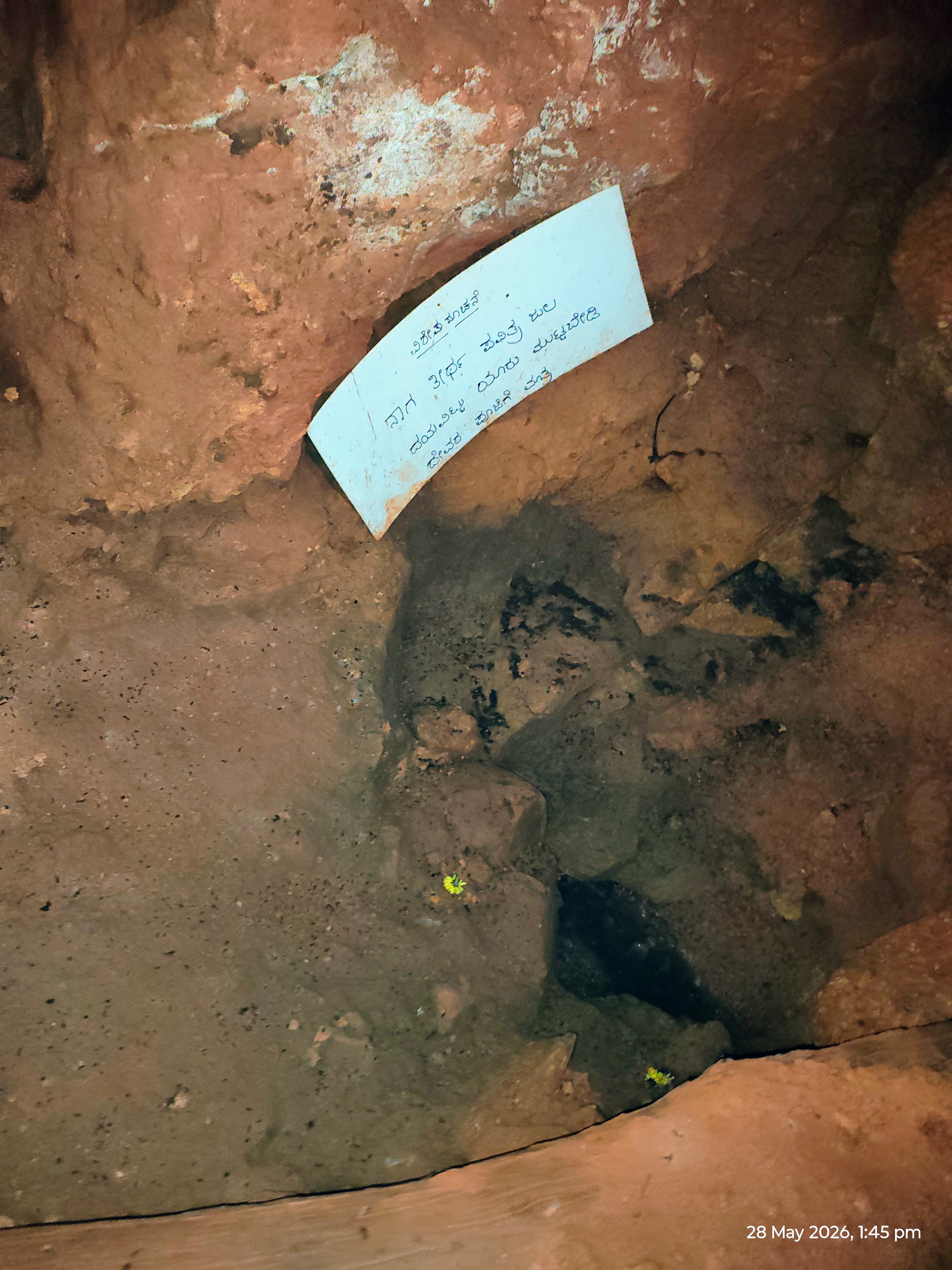
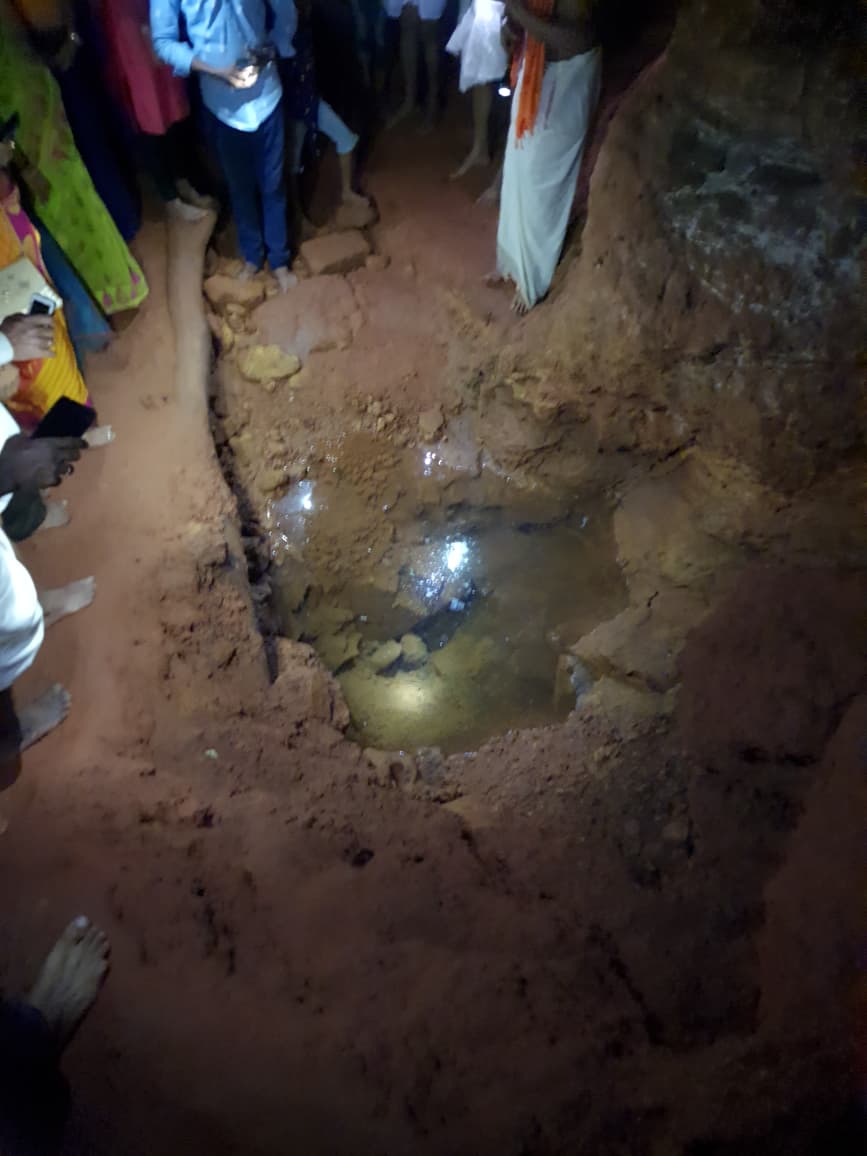
Further inside the cave is a natural water source traditionally known as Naga Theertha.
Water emerges among the rocks and flows out from the cave before eventually joining the Kubja River. The presence of naturally flowing water inside the cave is one of the most interesting features of the visit.
The combination of rock, underground water and shrines gives Suparshva Cave a character that is quite different from an ordinary temple.
Another section of the cave is associated with Naga worship. The natural rock formation opens into a larger chamber where a shrine connected with the serpent deity is found.
The cave becomes darker and more enclosed as you move further inside. Parts of the upper chamber are also home to bats, which is a natural feature of the cave environment.
This is one reason visitors should enter with proper guidance and avoid disturbing the animals living inside.
The secluded character of Suparshva Cave is closely connected with its reputation as a place of penance and meditation.
Traditional accounts associate the cave with King Suparshva, Adishesha and various sages. The cave's isolation, darkness, natural water and surrounding forest make it easy to understand why such places became associated with spiritual practice.
The traditions surrounding the cave are part of the religious heritage of Kamalashile and should be understood as sacred local beliefs.
Suparshva Cave and the Brahmi Durgaparameshwari Temple are closely connected destinations.
The main temple is situated in Kamalashile, while the cave lies a short distance away along the Halli Holle road. A visit to Kamalashile therefore gives travellers the opportunity to experience two very different sacred spaces:
Brahmi Durgaparameshwari Temple Shree Kshetra Kamalashile — a traditional temple surrounded by the forest and Kubja River landscape.
Suparshva Cave — a natural cave shrine with rock formations, water, Lingas and Naga worship.
Together they form an interesting part of Kamalashile's religious landscape.
The cave is surrounded by evergreen forest and hills, while the Kubja River flows nearby. The journey from Kamalashile towards the cave therefore passes through a peaceful natural setting.
During the monsoon, the greenery becomes particularly dense and streams around the hills become more active. The same wet conditions can make the cave approach and interior surfaces slippery, so extra care is needed.
Suparshva Cave is not a place where visitors should simply walk inside without preparation. The interior is dark and uneven, and some sections can be slippery.
A guide is useful for navigating the cave, and carrying a suitable torch or using the lighting arrangements provided for visitors can make the experience much easier. Current visitor information indicates that access is generally organised during specific daytime hours, with a break around midday.
Children, elderly visitors and anyone uncomfortable with uneven cave terrain should take particular care.
The cave can be visited throughout the year, but the surrounding Kamalashile landscape is especially beautiful during the monsoon and post-monsoon months.
For the cave itself, daytime is preferable because the interior is naturally dark and the approach is easier to manage with sufficient daylight.
Suparshva Cave is special because the cave itself forms the temple.
There is no need for an elaborate structure to create a sacred atmosphere. The natural rock becomes the walls and ceiling, water flows through the cave, shrines are found among the formations, and generations of local tradition have connected the place with meditation and penance.
Combined with the nearby Shree Kshetra Kamalashile Temple and the surrounding Kubja River landscape, Suparshva Cave gives visitors a chance to experience a particularly unusual side of Kamalashile's spiritual and natural heritage.
ಸುಪಾರ್ಶ್ವ ಗುಹಾಲಯ, ಕಮಲಶಿಲೆ
ಕಮಲಶಿಲೆ ಶ್ರೀ ಬ್ರಾಹ್ಮೀ ದುರ್ಗಾಪರಮೇಶ್ವರಿ ದೇವಸ್ಥಾನಕ್ಕೆ ಹೋಗುವವರು ದೇವಿಯ ದರ್ಶನದ ಜೊತೆಗೆ ನೋಡಬೇಕಾದ ಮತ್ತೊಂದು ಪ್ರಮುಖ ಸ್ಥಳವೇ ಸುಪಾರ್ಶ್ವ ಗುಹಾಲಯ. ಕಮಲಶಿಲೆ ದೇವಸ್ಥಾನದಿಂದ ಹಳ್ಳಿಹೊಳೆ ಕಡೆಗೆ ಸಾಗುವ ದಾರಿಯಲ್ಲಿ ಸುಮಾರು 2 ಕಿಲೋಮೀಟರ್ ದೂರದಲ್ಲಿರುವ ಈ ಗುಹೆ ದಟ್ಟ ಹಸಿರು ಪ್ರದೇಶದ ನಡುವೆ ಇದೆ. ಹೊರಗಿನಿಂದ ನೋಡಿದರೆ ಸಾಮಾನ್ಯ ಕಲ್ಲಿನ ಗುಹೆಯಂತೆ ಕಾಣಿಸಿದರೂ, ಕಮಲಶಿಲೆ ಕ್ಷೇತ್ರದ ಪುರಾಣ ಮತ್ತು ಆರಾಧನಾ ಪರಂಪರೆಯಲ್ಲಿ ಇದಕ್ಕೆ ಬಹಳ ಮಹತ್ವವಿದೆ.
ಈ ಗುಹೆಯನ್ನು ಸುಪಾರ್ಶ್ವ ಗುಹೆ, ಆದಿಸ್ಥಳ ಗುಹಾಲಯ ಎಂದೂ ಕರೆಯಲಾಗುತ್ತದೆ. ಕಮಲಶಿಲೆ ದೇವಿಯ ಮೂಲ ಸಾನ್ನಿಧ್ಯಕ್ಕೆ ಸಂಬಂಧಿಸಿದ ಸ್ಥಳವಾಗಿ ಇದನ್ನು ಪರಿಗಣಿಸಲಾಗುತ್ತದೆ. ಗುಹೆಯೊಳಗೆ ಹೋಗುತ್ತಾ ಹೋದಂತೆ ಹೊರಗಿನ ಕಾಡಿನ ವಾತಾವರಣ ನಿಧಾನವಾಗಿ ಮಾಯವಾಗಿ, ಕಲ್ಲಿನ ಒಳಭಾಗದ ನೈಸರ್ಗಿಕ ರಚನೆ ಮತ್ತು ಸಣ್ಣ ದಾರಿಯೇ ಮುಖ್ಯವಾಗುತ್ತದೆ. ಗುಹೆಯ ಕೆಲವು ಭಾಗಗಳಲ್ಲಿ ಕಲ್ಲಿನ ಮೆಟ್ಟಿಲುಗಳ ಮೂಲಕ ಇಳಿಯಬೇಕಾಗುತ್ತದೆ. ಇತ್ತೀಚಿನ ಭೇಟಿ ವಿವರಗಳಲ್ಲಿ ಗುಹೆಯ ಒಳಭಾಗ ಸುಮಾರು 150 ಅಡಿ ಉದ್ದವಿರುವುದಾಗಿ ಉಲ್ಲೇಖಿಸಲಾಗಿದೆ.
ಸುಪಾರ್ಶ್ವ ಗುಹಾಲಯದ ಹೆಸರಿನ ಹಿಂದೆ ಒಂದು ಪುರಾಣಕಥೆಯಿದೆ.
ಸ್ಥಳಪುರಾಣದ ಪ್ರಕಾರ, ಕೃತಯುಗದಲ್ಲಿ ಸುಪಾರ್ಶ್ವ ಎಂಬ ರಾಜನು ರಾಜಕೀಯ ಜೀವನದಿಂದ ದೂರವಾಗಿ ಮೋಕ್ಷಕ್ಕಾಗಿ ತಪಸ್ಸು ಮಾಡಲು ಸೂಕ್ತವಾದ ಸ್ಥಳವನ್ನು ಹುಡುಕುತ್ತಿದ್ದನು. ಶಿವನ ಪ್ರೇರಣೆಯಿಂದ ಕಮಲಶಿಲೆಯ ಅರಣ್ಯ ಪ್ರದೇಶಕ್ಕೆ ಬಂದಾಗ ದಟ್ಟವಾದ ಗಿಡಮರಗಳ ನಡುವೆ ಈ ಗುಹೆ ಕಂಡುಬಂತು. ತಪಸ್ಸಿಗೆ ಅನುಕೂಲವಾದ ಸ್ಥಳವೆಂದು ಕಂಡು ಇಲ್ಲಿ ನೆಲೆಸಿ ಶಿವನನ್ನು ಆರಾಧಿಸುತ್ತಾ ತಪಸ್ಸು ಮಾಡಿದನೆಂದು ಹೇಳಲಾಗುತ್ತದೆ.
ಸುಪಾರ್ಶ್ವನ ತಪಸ್ಸಿಗೆ ಯಾವುದೇ ಅಡ್ಡಿಯಾಗದಂತೆ ಶಿವನು ತನ್ನ ಗಣಗಳಲ್ಲಿ ಒಬ್ಬನಾದ ಭೈರವನನ್ನು ಗುಹೆಯ ದ್ವಾರದಲ್ಲಿ ರಕ್ಷಕನಾಗಿ ನಿಲ್ಲಿಸಿದನು ಎಂಬುದು ಕ್ಷೇತ್ರಪುರಾಣದ ಭಾಗ. ಈ ಕಾರಣದಿಂದ ಗುಹೆಯ ಪ್ರವೇಶ ಭಾಗದಲ್ಲಿರುವ ಭೈರವ ಸಾನ್ನಿಧ್ಯಕ್ಕೂ ಕ್ಷೇತ್ರದಲ್ಲಿ ವಿಶೇಷ ಸ್ಥಾನವಿದೆ. ಸುಪಾರ್ಶ್ವನು ಇಲ್ಲಿ ತಪಸ್ಸು ಮಾಡಿದ ಕಾರಣದಿಂದಲೇ ಈ ಗುಹೆಗೆ ಸುಪಾರ್ಶ್ವ ಗುಹೆ ಎಂಬ ಹೆಸರು ಬಂದಿದೆ ಎಂಬುದು ಕ್ಷೇತ್ರದ ಪುರಾಣ.
ಸುಪಾರ್ಶ್ವ ಗುಹಾಲಯದ ಅತ್ಯಂತ ಪ್ರಮುಖ ವಿಷಯವೆಂದರೆ ಕಮಲಶಿಲೆ ಶ್ರೀ ಬ್ರಾಹ್ಮೀ ದುರ್ಗಾಪರಮೇಶ್ವರಿ ದೇವಿಯ ಮೂಲ ಸಾನ್ನಿಧ್ಯದೊಂದಿಗೆ ಇದಕ್ಕಿರುವ ಸಂಬಂಧ.
ಕಮಲಶಿಲೆ ದೇವಸ್ಥಾನದಲ್ಲಿ ದೇವಿಯನ್ನು ಲಿಂಗರೂಪದಲ್ಲಿ ಆರಾಧಿಸಲಾಗುತ್ತದೆ. ಈ ಲಿಂಗರೂಪದ ದೇವಿಯ ಅವತರಣೆಗೆ ಸುಪಾರ್ಶ್ವ ಗುಹೆ ಮತ್ತು ಅದರ ಸುತ್ತಲಿನ ನಾಗತೀರ್ಥ ಪ್ರದೇಶದೊಂದಿಗೆ ನೇರ ಸಂಬಂಧವಿರುವುದು ಕ್ಷೇತ್ರಪುರಾಣದಲ್ಲಿ ಬರುತ್ತದೆ.
ಸ್ಕಂದ ಪುರಾಣದ ಸಹ್ಯಾದ್ರಿ ಖಂಡಕ್ಕೆ ಸಂಬಂಧಿಸಿದ ಕ್ಷೇತ್ರಪುರಾಣದ ಪ್ರಕಾರ, ಪಿಂಗಳಾ ಎಂಬ ದೇವನರ್ತಕಿಗೆ ಪಾರ್ವತಿ ದೇವಿಯ ಶಾಪದಿಂದ ಭೂಲೋಕದಲ್ಲಿ ಕುಬ್ಜೆಯಾಗಿ ಜನ್ಮ ಪಡೆಯುವ ಸಂದರ್ಭ ಬರುತ್ತದೆ. ಶಾಪವಿಮೋಚನೆಗಾಗಿ ಆಕೆ ಸುಪಾರ್ಶ್ವ ಗುಹೆಯ ಸಮೀಪದಲ್ಲಿ ತಪಸ್ಸು ಮಾಡಬೇಕೆಂದು ಪಾರ್ವತಿ ಸೂಚಿಸುತ್ತಾಳೆ. ಪಿಂಗಳೆಯ ತಪಸ್ಸಿನಿಂದ ಪ್ರಸನ್ನಳಾದ ದೇವಿ ನಂತರ ಕಮಲಶಿಲೆಯ ರೂಪದಲ್ಲಿ ಲಿಂಗರೂಪದಲ್ಲಿ ಪ್ರತ್ಯಕ್ಷಳಾದಳು ಎಂಬುದು ಈ ಕ್ಷೇತ್ರದ ಪ್ರಮುಖ ಪುರಾಣಕಥೆ.
ಈ ಕಾರಣದಿಂದಲೇ ಸುಪಾರ್ಶ್ವ ಗುಹೆಯನ್ನು ಕೇವಲ ಒಂದು ಗುಹೆಯಾಗಿ ನೋಡದೆ, ಕಮಲಶಿಲೆ ಕ್ಷೇತ್ರದ ಆದಿಸ್ಥಳವಾಗಿ ಪರಿಗಣಿಸಲಾಗುತ್ತದೆ.
ಗುಹೆಯ ಮತ್ತೊಂದು ಪ್ರಮುಖ ವೈಶಿಷ್ಟ್ಯ ನಾಗತೀರ್ಥ.
ಸುಪಾರ್ಶ್ವ ಗುಹೆಯಿಂದ ಹೊರಹೊಮ್ಮುವ ತೀರ್ಥಕ್ಕೆ ನಾಗತೀರ್ಥ ಎಂಬ ಹೆಸರು ಇದೆ. ಗುಹೆ ಮತ್ತು ನಾಗತೀರ್ಥದ ಸಂಬಂಧವೇ ಕಮಲಶಿಲೆಯ ನಾಗಾರಾಧನಾ ಪರಂಪರೆಯನ್ನು ಅರ್ಥಮಾಡಿಕೊಳ್ಳಲು ಮುಖ್ಯವಾಗಿದೆ.
ಕ್ಷೇತ್ರಪುರಾಣದ ಪ್ರಕಾರ, ಗರುಡನ ಭಯದಿಂದ ಆದಿಶೇಷನು ಕಮಲಶಿಲೆಗೆ ಬಂದು ಸುಪಾರ್ಶ್ವ ಗುಹೆಯಲ್ಲಿ ಬ್ರಾಹ್ಮೀ ದೇವಿಯನ್ನು ಕುರಿತು ತಪಸ್ಸು ಮಾಡಿದನು. ಆದಿಶೇಷನ ತಪಸ್ಸಿನಿಂದ ಹೊರಹೊಮ್ಮಿದ ತೀರ್ಥವೇ ನಾಗತೀರ್ಥ ಎಂದು ಹೇಳಲಾಗುತ್ತದೆ. ದೇವಿಯ ಅನುಗ್ರಹದಿಂದ ಆದಿಶೇಷನು ವಿಷ್ಣುವಿನ ಶಯ್ಯೆಯಾಗುವ ವರವನ್ನು ಪಡೆದನೆಂಬ ಕಥೆಯೂ ಇದೇ ಪರಂಪರೆಯ ಭಾಗವಾಗಿದೆ.
ಈ ಕಾರಣದಿಂದ ಗುಹಾಲಯದಲ್ಲಿ ನಾಗದೇವರ ಆರಾಧನೆಗೂ ವಿಶೇಷ ಸ್ಥಾನವಿದೆ. ಕಮಲಶಿಲೆ ಕ್ಷೇತ್ರದ ನಾಗಾರಾಧನೆಯ ಮೂಲವನ್ನು ನೋಡಬೇಕಾದರೆ ಸುಪಾರ್ಶ್ವ ಗುಹೆ ಮತ್ತು ನಾಗತೀರ್ಥ ಎರಡನ್ನೂ ಒಟ್ಟಿಗೆ ನೋಡಬೇಕು.
ಸುಪಾರ್ಶ್ವ ಗುಹೆಯ ಪ್ರವೇಶ ಭಾಗದಲ್ಲಿ ಕಾಳಭೈರವ ಸಾನ್ನಿಧ್ಯ ಗಮನಿಸಬಹುದು. ಗುಹೆಯ ಆರಂಭದಲ್ಲಿರುವ ಕಾಳಭೈರವ ಲಿಂಗವನ್ನು ಸ್ವಾಭಾವಿಕವಾಗಿ ರೂಪುಗೊಂಡ ಲಿಂಗವೆಂದು ಕ್ಷೇತ್ರದ ಪರಂಪರೆಯಲ್ಲಿ ಪರಿಗಣಿಸಲಾಗುತ್ತದೆ. ಅದರ ಸಮೀಪ ನಂದಿ ಸಾನ್ನಿಧ್ಯವೂ ಇದೆ.
ಗುಹೆಯೊಳಗೆ ಮುಂದೆ ಸಾಗಿದಂತೆ ನೈಸರ್ಗಿಕ ಕಲ್ಲಿನ ರಚನೆಗಳ ನಡುವೆ ವಿವಿಧ ಸಾನ್ನಿಧ್ಯಗಳನ್ನು ಕಾಣಬಹುದು. ಕಾಳಿ, ಲಕ್ಷ್ಮೀ ಮತ್ತು ಸರಸ್ವತಿಯ ಸಾನ್ನಿಧ್ಯವೂ ಗುಹೆಯೊಂದಿಗೆ ಸಂಬಂಧಿಸಿದೆ ಎಂದು ಕ್ಷೇತ್ರಪರಂಪರೆಯಲ್ಲಿ ಹೇಳಲಾಗಿದೆ. ಗುಹೆಯ ಹೊರಭಾಗದಲ್ಲಿರುವ ಹುಲಿಚಾವಡಿ ಕೂಡ ಈ ಕ್ಷೇತ್ರದ ವಿಶೇಷ ಸ್ಥಳಗಳಲ್ಲಿ ಒಂದು.
ಹೀಗಾಗಿ ಇಲ್ಲಿ ಒಂದೇ ಗುಹೆಯೊಳಗೆ ಸುಬ್ರಹ್ಮಣ್ಯ ಅಥವಾ ಸಾಮಾನ್ಯ ಶಿವಾಲಯದ ರೀತಿಯ ಒಂದೇ ಆರಾಧನಾ ವ್ಯವಸ್ಥೆ ಇರುವುದಿಲ್ಲ. ಭೈರವ, ನಾಗ ಮತ್ತು ದೇವಿಯ ವಿವಿಧ ಸಾನ್ನಿಧ್ಯಗಳು ಸೇರಿಕೊಂಡಿರುವ ವಿಶಿಷ್ಟ ಕ್ಷೇತ್ರರೂಪ ಕಾಣಿಸುತ್ತದೆ.
ಸುಪಾರ್ಶ್ವ ಗುಹೆಯ ಹೊರಭಾಗದಲ್ಲಿರುವ ಹುಲಿಚಾವಡಿಯೂ ಕಮಲಶಿಲೆ ಕ್ಷೇತ್ರದ ಹಳೆಯ ಪರಂಪರೆಯ ಒಂದು ಭಾಗ.
ಕ್ಷೇತ್ರದ ನಂಬಿಕೆಯ ಪ್ರಕಾರ, ದೇವಿ ವ್ಯಾಘ್ರವಾಹಿನಿ. ಕ್ಷೇತ್ರದ ನಿಯಮ ಅಥವಾ ಸಂಪ್ರದಾಯವನ್ನು ಮೀರುವ ಸಂದರ್ಭಗಳಲ್ಲಿ ಹುಲಿ ಬಂದು ಎಚ್ಚರಿಸುತ್ತದೆ ಎಂಬ ನಂಬಿಕೆ ಇಲ್ಲಿನ ಪುರಾಣಪರಂಪರೆಯಲ್ಲಿ ಕಂಡುಬರುತ್ತದೆ. ಅದಕ್ಕೆ ಸಂಬಂಧಿಸಿದ ಸ್ಥಳವೇ ಹುಲಿಚಾವಡಿ.
ಇದನ್ನು ಇತಿಹಾಸದ ಘಟನೆ ಎಂದು ಹೇಳುವುದಕ್ಕಿಂತ ಕಮಲಶಿಲೆ ಕ್ಷೇತ್ರದ ಸ್ಥಳೀಯ ಧಾರ್ಮಿಕ ನಂಬಿಕೆಯ ಭಾಗವಾಗಿ ನೋಡಬೇಕು.
ಸುಪಾರ್ಶ್ವ ಗುಹೆ ಸಂಪೂರ್ಣವಾಗಿ ಮಾನವ ನಿರ್ಮಿತವಾದ ದೇವಾಲಯವಲ್ಲ. ಇದು ನೈಸರ್ಗಿಕವಾಗಿ ರೂಪುಗೊಂಡ ಕಲ್ಲಿನ ಗುಹೆ. ಗುಹೆಯ ಒಳಭಾಗದಲ್ಲಿ ಕಲ್ಲಿನ ಗೋಡೆಗಳು, ಕಡಿದಾದ ಭಾಗಗಳು ಮತ್ತು ಸಣ್ಣ ದಾರಿಗಳು ಕಾಣಿಸುತ್ತವೆ. ಒಳಗೆ ಸಾಗುವಾಗ ಕೆಲವು ಕಡೆ ನೆಲ ಒದ್ದೆಯಾಗಿರಬಹುದು. ಆದ್ದರಿಂದ ಇಲ್ಲಿ ದೇವರ ದರ್ಶನಕ್ಕೆ ಹೋಗುವವರು ಗುಹೆಯ ಸ್ವಾಭಾವಿಕ ಸ್ವರೂಪವನ್ನು ಗಮನದಲ್ಲಿಟ್ಟುಕೊಂಡು ನಿಧಾನವಾಗಿ ಸಾಗುವುದು ಮುಖ್ಯ.
ಗುಹೆಯೊಳಗಿನ ಜಾಗವು ದೊಡ್ಡ ದೇವಸ್ಥಾನದ ಗರ್ಭಗುಡಿಯಂತೆ ವಿಶಾಲವಾಗಿರುವುದಿಲ್ಲ. ಒಳಗೆ ಸಾಗುತ್ತಾ ಹೋದಂತೆ ದಾರಿ ಕಿರಿದಾಗುವ ಭಾಗಗಳಿವೆ. ಇದೇ ಕಾರಣದಿಂದ ಗುಹೆಯ ಅನುಭವವು ಕಮಲಶಿಲೆ ದೇವಸ್ಥಾನದ ಸಾಮಾನ್ಯ ದರ್ಶನಕ್ಕಿಂತ ಸಂಪೂರ್ಣ ಭಿನ್ನವಾಗಿರುತ್ತದೆ.
ಇಲ್ಲಿ ದೊಡ್ಡ ಕಟ್ಟಡ, ಗೋಪುರ ಅಥವಾ ವಿಶಾಲ ಪ್ರಾಂಗಣಕ್ಕಿಂತ ನೈಸರ್ಗಿಕ ಕಲ್ಲಿನ ರಚನೆಯೇ ಮುಖ್ಯ. ಗುಹೆಯೊಳಗಿನ ಸಾನ್ನಿಧ್ಯಗಳು ಮತ್ತು ಹೊರಗಿನ ಕಾಡಿನ ಪರಿಸರ ಸೇರಿ ಈ ಸ್ಥಳದ ಸ್ವರೂಪವನ್ನು ರೂಪಿಸಿವೆ.
ಕಮಲಶಿಲೆಗೆ ಬರುವವರು ಸಾಮಾನ್ಯವಾಗಿ ಮೊದಲು ಶ್ರೀ ಬ್ರಾಹ್ಮೀ ದುರ್ಗಾಪರಮೇಶ್ವರಿ ದೇವಸ್ಥಾನಕ್ಕೆ ತೆರಳುತ್ತಾರೆ. ದೇವಸ್ಥಾನದ ಸಮೀಪವೇ ಕುಬ್ಜಾ ನದಿ ಹರಿಯುತ್ತದೆ. ಅಲ್ಲಿಂದ ಸುಪಾರ್ಶ್ವ ಗುಹೆಯ ಕಡೆಗೆ ಸಾಗಿದಾಗ ಕ್ಷೇತ್ರದ ಮತ್ತೊಂದು ಭಾಗ ತೆರೆದುಕೊಳ್ಳುತ್ತದೆ.
ಒಂದೆಡೆ ದೇವಿಯನ್ನು ಲಿಂಗರೂಪದಲ್ಲಿ ಆರಾಧಿಸುವ ಪ್ರಧಾನ ದೇವಸ್ಥಾನ; ಮತ್ತೊಂದೆಡೆ ಆ ದೇವಿಯ ಮೂಲ ಸಾನ್ನಿಧ್ಯಕ್ಕೆ ಸಂಬಂಧಿಸಿದ ಆದಿಸ್ಥಳ ಗುಹೆ; ಅದರೊಂದಿಗೆ ನಾಗತೀರ್ಥ, ಭೈರವ ಮತ್ತು ನಾಗಾರಾಧನೆ — ಈ ಸಂಬಂಧವೇ ಕಮಲಶಿಲೆ ಕ್ಷೇತ್ರವನ್ನು ವಿಶಿಷ್ಟವಾಗಿಸುತ್ತದೆ.
ಅದಕ್ಕಾಗಿ ಸುಪಾರ್ಶ್ವ ಗುಹೆಯನ್ನು ಕಮಲಶಿಲೆ ದೇವಸ್ಥಾನದಿಂದ ಬೇರೆ ಒಂದು ಪ್ರವಾಸಿ ಸ್ಥಳವೆಂದು ನೋಡುವುದಕ್ಕಿಂತ, ಕಮಲಶಿಲೆ ಕ್ಷೇತ್ರದ ಮತ್ತೊಂದು ಪ್ರಮುಖ ಭಾಗವಾಗಿ ನೋಡಬಹುದು.
ಸುಪಾರ್ಶ್ವ ಗುಹೆಗೆ ಹೋದಾಗ ಹೊರಗಿನ ಪ್ರಕೃತಿ ಮತ್ತು ಒಳಗಿನ ಗುಹೆಯ ಸ್ವರೂಪ ಎರಡನ್ನೂ ಗಮನಿಸಬಹುದು. ದಟ್ಟ ಹಸಿರಿನ ನಡುವೆ ಇರುವ ಗುಹೆ, ಕಲ್ಲಿನ ದಾರಿ, ಒಳಗಿನ ನೈಸರ್ಗಿಕ ರಚನೆ, ಭೈರವ ಸಾನ್ನಿಧ್ಯ ಮತ್ತು ನಾಗತೀರ್ಥದ ಹಿನ್ನೆಲೆ ಈ ಸ್ಥಳಕ್ಕೆ ಬೇರೆ ರೀತಿಯ ಗುರುತನ್ನು ನೀಡುತ್ತವೆ.
ಮಳೆಗಾಲದಲ್ಲಿ ಸುತ್ತಮುತ್ತಲಿನ ಪ್ರದೇಶ ಹೆಚ್ಚು ಹಸಿರಾಗುತ್ತದೆ. ಅದೇ ಸಮಯದಲ್ಲಿ ಗುಹೆಯ ಒಳಭಾಗದಲ್ಲಿ ತೇವಾಂಶ ಮತ್ತು ಜಾರುವ ಕಲ್ಲುಗಳ ಸಾಧ್ಯತೆ ಇರುವುದರಿಂದ ಎಚ್ಚರಿಕೆಯಿಂದ ನಡೆಯುವುದು ಅಗತ್ಯ. ಗುಹೆಯ ನೈಸರ್ಗಿಕ ರಚನೆಗೆ ಹಾನಿಯಾಗದಂತೆ, ಒಳಗಿನ ಸಾನ್ನಿಧ್ಯಗಳಿಗೆ ಗೌರವ ನೀಡಿ, ಪ್ಲಾಸ್ಟಿಕ್ ಅಥವಾ ಕಸವನ್ನು ಬಿಟ್ಟುಬರದೆ ಸ್ಥಳವನ್ನು ಸ್ವಚ್ಛವಾಗಿಡುವುದು ಮುಖ್ಯ.
ಕಮಲಶಿಲೆಯ ಸುಪಾರ್ಶ್ವ ಗುಹಾಲಯದ ಮಹತ್ವ ಅದರ ಗಾತ್ರದಲ್ಲಿಲ್ಲ. ಒಂದು ನೈಸರ್ಗಿಕ ಗುಹೆ ಹೇಗೆ ಒಂದು ದೊಡ್ಡ ಕ್ಷೇತ್ರದ ಪುರಾಣ, ನಾಗಾರಾಧನೆ ಮತ್ತು ದೇವಿಯ ಮೂಲಸಾನ್ನಿಧ್ಯದೊಂದಿಗೆ ಬೆಸೆದುಕೊಂಡಿದೆ ಎನ್ನುವುದೇ ಇದರ ವಿಶೇಷತೆ.
ಸುಪಾರ್ಶ್ವ ರಾಜನ ತಪಸ್ಸಿನ ಕಥೆ, ಪಿಂಗಳೆಯ ಶಾಪವಿಮೋಚನೆಯ ಪುರಾಣ, ಆದಿಶೇಷನ ತಪಸ್ಸು, ನಾಗತೀರ್ಥದ ಉಗಮ, ಕಾಳಭೈರವನ ಸಾನ್ನಿಧ್ಯ ಮತ್ತು ಹುಲಿಚಾವಡಿಯ ಪರಂಪರೆ — ಇವೆಲ್ಲವೂ ಈ ಗುಹೆಯ ಸುತ್ತ ಒಂದಾಗಿವೆ.
ಆದ್ದರಿಂದ ಕಮಲಶಿಲೆಗೆ ಬಂದು ಶ್ರೀ ಬ್ರಾಹ್ಮೀ ದುರ್ಗಾಪರಮೇಶ್ವರಿ ದೇವಿಯ ದರ್ಶನ ಮಾಡಿದ ನಂತರ ಸುಪಾರ್ಶ್ವ ಗುಹಾಲಯಕ್ಕೆ ಹೋಗುವುದರಿಂದ ಕ್ಷೇತ್ರದ ಇನ್ನೊಂದು ಪ್ರಮುಖ ಭಾಗವನ್ನು ನೋಡಿದಂತಾಗುತ್ತದೆ. ಇಲ್ಲಿ ಕಾಣುವುದು ಕೇವಲ ಒಂದು ಗುಹೆಯಲ್ಲ; ಕಮಲಶಿಲೆ ಕ್ಷೇತ್ರದ ಪುರಾಣ ಮತ್ತು ಆರಾಧನಾ ಪರಂಪರೆಯೊಂದಿಗೆ ನೇರವಾಗಿ ಸಂಬಂಧ ಹೊಂದಿರುವ ಆದಿಸ್ಥಳವಾಗಿದೆ.
🚗 By road: From Siddapur take Kamalashile road. From Kollur take Kundapur road then turn to Moodur village road -> Hallihole road
🚌 By bus: Govt and private bus to Kamalashile from Kundapur
🚆 By train: Nearest Railway station Kundapur Railway Station about 32km
✈️ By air: Mangalore international Airport about 118km
| Guides | Priest in the temple |
|---|---|
| Mobile network | Not available |
| Restrooms | Not available |
Places usually visited on the same trip.