Kollur Mookambika Temple
Nestled at the base of the misty Kodachadri peaks, this ancient sanctuary is a spiritual powerhouse rather than a simple sightseeing stop. Consecrated by the legendary philosopher Adi Shankaracharya, the temple is uniquely dedicated to both Shiva and Shakti, represented by a single, sacred Jyotirlingam. The architecture features striking copper roofs that shield the complex from intense coastal monsoons, while the air inside is thick with the scent of jasmine, camphor, and deep devotion. For travelers seeking profound stillness and cultural immersion over standard tourism, this active pilgrimage site offers a raw, mesmerizing glimpse into centuries-old traditions.
ಕೊಲ್ಲೂರು ಮೂಕಾಂಬಿಕಾ ದೇವಾಲಯ (Kollur Mookambika Temple)
* ಪವಿತ್ರ ಸ್ಥಳ: ಕರ್ನಾಟಕದ ಉಡುಪಿ ಜಿಲ್ಲೆಯ ಬೈಂದೂರು ತಾಲೂಕಿನ ಕೊಲ್ಲೂರಿನಲ್ಲಿ, ಪಶ್ಚಿಮ ಘಟ್ಟಗಳ ಸಾಲಿನಲ್ಲಿರುವ ಸೌಪರ್ಣಿಕಾ ನದಿಯ ದಡದಲ್ಲಿ ಈ ಪ್ರಸಿದ್ಧ ದೇವಾಲಯ ನೆಲೆಗೊಂಡಿದೆ.
* ದೈವಿಕ ಮಹತ್ವ: ಇದು ಆದಿ ಶಂಕರಾಚಾರ್ಯರಿಂದ ಪ್ರತಿಷ್ಠಾಪಿಸಲ್ಪಟ್ಟ ಸ್ಥಳವೆಂದು ನಂಬಲಾಗಿದ್ದು, ಭಾರತದ ಪ್ರಮುಖ ಶಕ್ತಿಪೀಠಗಳಲ್ಲಿ ಒಂದಾಗಿದೆ. ಇಲ್ಲಿ ದೇವಿಯು ಮಹಾಕಾಳಿ, ಮಹಾಲಕ್ಷ್ಮಿ ಮತ್ತು ಮಹಾಸರಸ್ವತಿ ಮೂವರ ಸ್ವರೂಪಳಾದ ಮೂಕಾಂಬಿಕಾ ದೇವಿಯಾಗಿ ನೆಲೆಸಿದ್ದಾಳೆ.
* ವಿಶೇಷತೆ: ಗರ್ಭಗುರಿಯಲ್ಲಿರುವ ದೇವಿಯ ಜ್ಯೋತಿರ್ಲಿಂಗವು ಸ್ವಯಂಭೂ (ತಾನೇ ಉದ್ಭವಿಸಿದ) ಆಗಿದ್ದು, ಬ್ರಹ್ಮ, ವಿಷ್ಣು ಮತ್ತು ಮಹೇಶ್ವರರ ಶಕ್ತಿಗಳನ್ನು ಒಳಗೊಂಡಿದೆ ಎಂದು ನಂಬಲಾಗಿದೆ. ಲಿಂಗದ ಮಧ್ಯದಲ್ಲಿರುವ ಸುವರ್ಣರೇಖೆಯು ಅರ್ಧ ಭಾಗದಲ್ಲಿ ಶಿವ-ಪಾರ್ವತಿಯರನ್ನೂ, ಮತ್ತರ್ಧ ಭಾಗದಲ್ಲಿ ವಿಷ್ಣು-ಲಕ್ಷ್ಮಿ ಹಾಗೂ ಬ್ರಹ್ಮ-ಸರಸ್ವತಿಯರ ಸಮನ್ವಯವನ್ನು ಸೂಚಿಸುತ್ತದೆ.
* ಇಲ್ಲಿಗೆ ಬರುವ ಭಕ್ತರು ಪವಿತ್ರ ಸೌಪರ್ಣಿಕಾ ನದಿಯಲ್ಲಿ ಸ್ನಾನ ಮಾಡಿ ದೇವಿಯ ದರ್ಶನ ಪಡೆಯುತ್ತಾರೆ.
ಈ ದೇವಾಲಯವು ಧಾರ್ಮಿಕವಾಗಿ ಹಾಗೂ ಪ್ರವಾಸಿ ದೃಷ್ಟಿಯಿಂದಲೂ ಅತ್ಯಂತ ಮಹತ್ವದ ಮತ್ತು ದಿವ್ಯ ಅನುಭವವನ್ನು ನೀಡುವ ಕ್ಷೇತ್ರವಾಗಿದೆ.
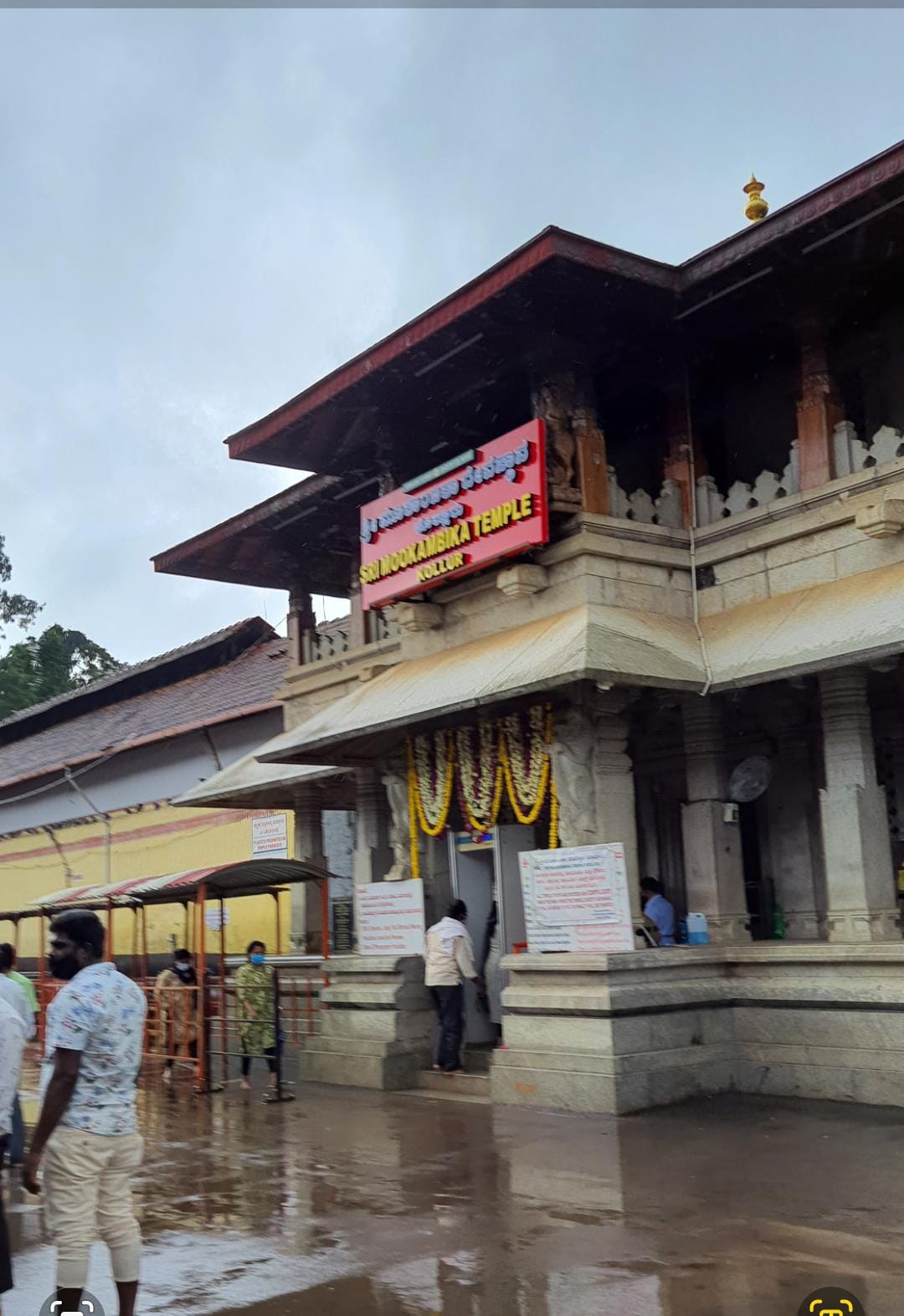
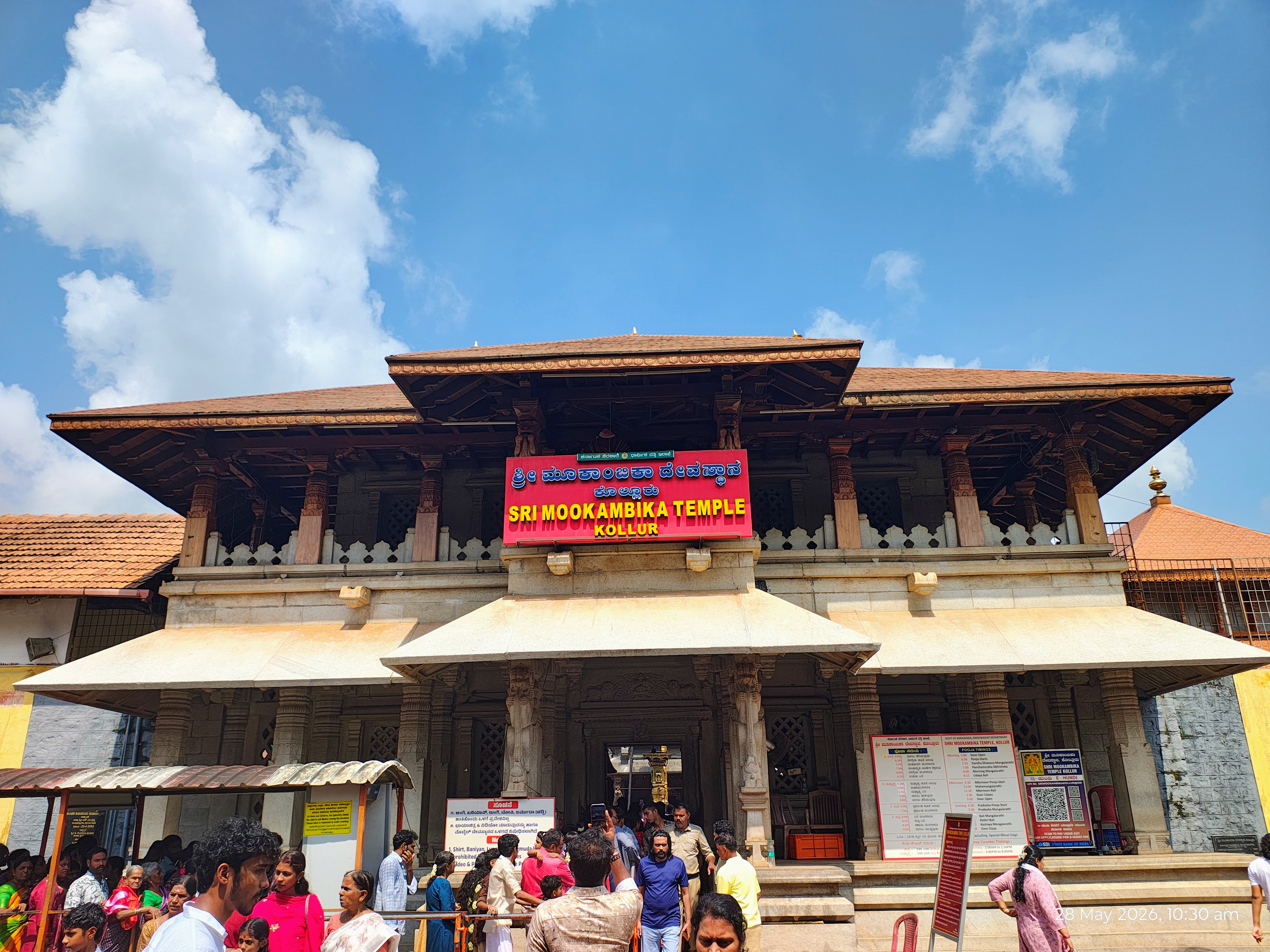
Kollur Mookambika Temple
Set amid the forested foothills of the Western Ghats, Kollur Mookambika Temple is one of coastal Karnataka's most important pilgrimage landmarks. The temple stands in Kollur, Udupi district, close to the Souparnika River and beneath the Kodachadri hills. Its setting is an important part of the experience: the pilgrimage combines an ancient shrine with the rivers, forests and mountains of the Western Ghats.
The temple is dedicated to Sri Mookambika Devi, worshipped here as a powerful manifestation of Shakti. What makes the shrine particularly distinctive is the presence of a self-manifested sacred Linga, traditionally associated with the combined presence of Shiva and Shakti. A golden marking, known as the Swarnarekha, is traditionally understood as symbolising this union. Temple tradition also connects the shrine with the three major aspects of the Divine Mother—Mahakali, Mahalakshmi and Mahasaraswati.
The traditional story behind the temple centres on a powerful demon known in different accounts as Kaumasura or Mookasura. He is said to have undertaken severe penance seeking extraordinary powers. The divine forces prevented him from obtaining the desired boon by taking away his ability to speak, after which he became known as Mookasura.
His subsequent oppression of the sages and divine beings led to the intervention of the Goddess. She defeated him at this sacred place, and the name Mookambika became associated with the Goddess who overcame Mookasura. This story is preserved as part of the temple's traditional sthala purana, rather than as ordinary historical documentation.
Another important tradition connects Kollur with Kola Maharishi, who is believed to have performed penance here. The sacred landscape around the present temple is therefore closely associated with the sage's spiritual practice.
The central Linga is regarded as swayambhu, or self-manifested. Its Swarnarekha gives the shrine a distinctive theological character: devotees understand the Linga not simply as a representation of Shiva, but as a sacred expression of the inseparable relationship between Shiva and Shakti.
Kollur also occupies an important place in traditions surrounding Adi Shankaracharya. Temple and tourism sources state that Shankaracharya performed penance in the region and is traditionally credited with consecrating the image of Mookambika Devi and establishing the form of worship associated with the shrine.
A well-known local tradition tells of Shankaracharya travelling with the Goddess towards Kerala. He was instructed not to look back while she followed him. When he eventually turned around at Kollur, the Goddess remained there. The story is one of the best-known legends associated with the temple and helps explain the enduring spiritual connection between Kollur and Kerala.
Mookambika has a particularly strong association with knowledge and learning. Devotees traditionally regard the Goddess as embodying the wisdom-oriented aspect of the Divine Mother, making Kollur an important destination for students, parents and people connected with education and the arts.
This connection becomes especially visible during Navaratri and Vijayadashami, when learning-related rituals and ceremonies draw large numbers of families to the temple.
The present temple complex reflects centuries of worship and patronage. An inscription from 1481 AD is cited in the temple's historical material, while the Keladi Nayaka rulers are associated with significant patronage and renovation. The temple's architecture also reflects the character of the region, with features including copper roofing and a gold-plated crest.
Rather than being an isolated monument, the temple remains a living place of worship, with daily rituals, festivals and pilgrim activity continuing throughout the year.
One of Kollur's greatest attractions is that the pilgrimage does not end at the temple entrance. The surrounding landscape forms part of the destination.
The Souparnika River flows near Kollur, while the Kodachadri hills rise above the town. The combination of sacred geography and Western Ghats scenery gives Kollur a character quite different from an urban temple destination. Visitors can combine temple darshan with exploration of the surrounding natural landscape.
Kollur brings together several layers of South India's religious and cultural heritage in one location:
an ancient Shakti tradition + the Swayambhu Linga + Mookambika's association with knowledge + Adi Shankaracharya traditions + the Kodachadri landscape.
For a visitor, that combination is what makes Kollur more than simply a temple stop. It is a destination where pilgrimage, mythology, living worship and Western Ghats scenery meet.
The temple's published worship schedule generally begins early in the morning, with the main daily opening period from around 5:00 AM, followed by an afternoon interval and evening worship extending into the night. Exact ritual and darshan periods can vary on special days, so visitors should verify the current schedule through the temple's official channels before travelling.
ಕೊಲ್ಲೂರು ಶ್ರೀ ಮೂಕಾಂಬಿಕಾ ದೇವಾಲಯ
ಕರ್ನಾಟಕದ ಕರಾವಳಿ ಭಾಗದ ಪ್ರವಾಸವನ್ನು ಸಂಪೂರ್ಣವಾಗಿ ಅನುಭವಿಸಬೇಕೆಂದರೆ ಸಮುದ್ರ ತೀರಗಳ ಜೊತೆಗೆ ಪಶ್ಚಿಮ ಘಟ್ಟಗಳ ಮಡಿಲಲ್ಲಿರುವ ಆಧ್ಯಾತ್ಮಿಕ ತಾಣಗಳನ್ನೂ ನೋಡಬೇಕು. ಅಂತಹ ವಿಶಿಷ್ಟ ಸ್ಥಳಗಳಲ್ಲಿ ಕೊಲ್ಲೂರು ಶ್ರೀ ಮೂಕಾಂಬಿಕಾ ದೇವಾಲಯಕ್ಕೆ ವಿಶೇಷ ಸ್ಥಾನವಿದೆ.
ಉಡುಪಿ ಜಿಲ್ಲೆಯ ಕೊಲ್ಲೂರಿನಲ್ಲಿ, ಪಶ್ಚಿಮ ಘಟ್ಟಗಳ ಹಸಿರು ಪರಿಸರದ ನಡುವೆ ನೆಲೆಗೊಂಡಿರುವ ಈ ಪುರಾತನ ಕ್ಷೇತ್ರವು ದಕ್ಷಿಣ ಭಾರತದ ಪ್ರಮುಖ ದೇವಿ ಆರಾಧನಾ ಕೇಂದ್ರಗಳಲ್ಲಿ ಒಂದಾಗಿದೆ. ದೇವಾಲಯದ ಸುತ್ತಲಿನ ದಟ್ಟ ಕಾಡು, ಬೆಟ್ಟಗಳು, ಸೌಪರ್ಣಿಕಾ ನದಿ ಮತ್ತು ಕೊಡಚಾದ್ರಿಯಂತಹ ನೈಸರ್ಗಿಕ ಹಾಗೂ ಆಧ್ಯಾತ್ಮಿಕ ತಾಣಗಳು ಕೊಲ್ಲೂರಿನ ಅನುಭವವನ್ನು ಕೇವಲ ದೇವಾಲಯ ದರ್ಶನಕ್ಕೆ ಸೀಮಿತವಾಗದಂತೆ ಮಾಡುತ್ತವೆ.
ಬೈಂದೂರು ಮತ್ತು ಕರಾವಳಿ ಕರ್ನಾಟಕದ ಪ್ರವಾಸೋದ್ಯಮದ ದೃಷ್ಟಿಯಿಂದಲೂ ಕೊಲ್ಲೂರು ಒಂದು ಮಹತ್ವದ ತಾಣ. ಬೈಂದೂರಿನಿಂದ ಕೊಲ್ಲೂರಿನತ್ತ ಸಾಗುವ ಪ್ರಯಾಣದಲ್ಲಿ ಕರಾವಳಿಯ ಸೌಂದರ್ಯ ನಿಧಾನವಾಗಿ ಪಶ್ಚಿಮ ಘಟ್ಟಗಳ ಹಸಿರಿಗೆ ಬದಲಾಗುವುದನ್ನು ಕಾಣಬಹುದು. ಈ ಬದಲಾವಣೆಯೇ ಈ ಪ್ರವಾಸವನ್ನು ವಿಶಿಷ್ಟವಾಗಿಸುತ್ತದೆ.
ಕೊಲ್ಲೂರಿನ ಆರಾಧ್ಯ ದೇವತೆ ಶ್ರೀ ಮೂಕಾಂಬಿಕಾ ದೇವಿ.
ಮೂಕಾಂಬಿಕಾ ದೇವಿಯ ಕುರಿತು ಅನೇಕ ಪುರಾಣಕಥೆಗಳು ಮತ್ತು ಸ್ಥಳೀಯ ಕ್ಷೇತ್ರಪರಂಪರೆಗಳು ಪ್ರಸಿದ್ಧವಾಗಿವೆ. ಅವುಗಳಲ್ಲಿ ಮುಖ್ಯವಾದ ಕಥೆಯು ದುಷ್ಟಶಕ್ತಿಯ ವಿರುದ್ಧ ಆದಿಶಕ್ತಿಯ ವಿಜಯವನ್ನು ವಿವರಿಸುತ್ತದೆ.
ಸ್ಥಳೀಯ ಪೌರಾಣಿಕ ಪರಂಪರೆಯ ಪ್ರಕಾರ, ಒಬ್ಬ ಅಸುರನು ಕಠಿಣ ತಪಸ್ಸಿನ ಮೂಲಕ ಅಪಾರ ಶಕ್ತಿಯನ್ನು ಪಡೆಯಲು ಪ್ರಯತ್ನಿಸುತ್ತಾನೆ. ಅವನ ಉದ್ದೇಶ ಲೋಕಕ್ಕೆ ತೊಂದರೆ ಉಂಟುಮಾಡುವುದಾಗಿದ್ದಾಗ ದೇವತೆಗಳು ಮತ್ತು ಋಷಿಗಳು ಆದಿಶಕ್ತಿಯನ್ನು ಪ್ರಾರ್ಥಿಸುತ್ತಾರೆ.
ಅಸುರನಿಗೆ ದೊರೆಯಬೇಕಿದ್ದ ವರವನ್ನು ತಡೆಯಲು ದೇವಿಯು ಅವನ ವಾಕ್ಶಕ್ತಿಯನ್ನು ಕಳೆದುಕೊಳ್ಳುವಂತೆ ಮಾಡುತ್ತಾಳೆ. ಮಾತನಾಡಲು ಸಾಧ್ಯವಾಗದ ಕಾರಣ ಅವನು ‘ಮೂಕ’ ಎಂಬ ಹೆಸರಿನಿಂದ ಪ್ರಸಿದ್ಧನಾಗುತ್ತಾನೆ. ನಂತರ ದೇವಿ ಅವನನ್ನು ಸಂಹರಿಸುತ್ತಾಳೆ. ಈ ಪೌರಾಣಿಕ ಹಿನ್ನೆಲೆಯೊಂದಿಗೇ ದೇವಿಯು ಮೂಕಾಂಬಿಕಾ ಎಂಬ ಹೆಸರಿನಿಂದ ಪ್ರಸಿದ್ಧಳಾದಳು ಎಂಬುದು ಕ್ಷೇತ್ರದ ನಂಬಿಕೆ.
ಈ ಕಥೆಯನ್ನು ಕೇವಲ ಪುರಾಣಕಥೆಯಾಗಿ ಮಾತ್ರ ನೋಡಬೇಕಾಗಿಲ್ಲ. ದುಷ್ಟತನದ ಮೇಲೆ ಧರ್ಮದ ಜಯ, ಅಹಂಕಾರದ ಮೇಲೆ ವಿನಯದ ಜಯ ಮತ್ತು ಅನ್ಯಾಯದ ವಿರುದ್ಧ ಶಕ್ತಿಯ ಉದಯ ಎಂಬ ಸಂಕೇತಗಳನ್ನೂ ಇದರಲ್ಲಿ ಕಾಣಬಹುದು.
ಕೊಲ್ಲೂರು ಕ್ಷೇತ್ರದ ಹೆಸರಿನ ಮೂಲಕ್ಕೂ ಸ್ಥಳೀಯ ಪುರಾಣದಲ್ಲಿ ಒಂದು ಕಥೆಯಿದೆ.
ಋಷಿ ಕೋಲರು ಇಲ್ಲಿ ಶಿವನನ್ನು ಆರಾಧಿಸುತ್ತಿದ್ದರು ಎಂಬ ಕ್ಷೇತ್ರಪರಂಪರೆ ಇದೆ. ಅವರ ಆರಾಧನೆಯೊಂದಿಗೆ ಈ ಪ್ರದೇಶದ ಹೆಸರು ಸಂಬಂಧ ಹೊಂದಿದೆ ಎಂದು ನಂಬಲಾಗುತ್ತದೆ.
ಇಂತಹ ಕಥೆಗಳು ಕೊಲ್ಲೂರಿನ ಇತಿಹಾಸವನ್ನು ಕೇವಲ ದಿನಾಂಕಗಳು ಮತ್ತು ಕಟ್ಟಡಗಳ ಮೂಲಕವಲ್ಲ, ತಲೆಮಾರುಗಳಿಂದ ಜನರ ನಡುವೆ ಹರಿದು ಬಂದಿರುವ ಮೌಖಿಕ ಪರಂಪರೆ ಮತ್ತು ಧಾರ್ಮಿಕ ಸ್ಮೃತಿಗಳ ಮೂಲಕವೂ ಅರ್ಥಮಾಡಿಕೊಳ್ಳಲು ಸಹಾಯ ಮಾಡುತ್ತವೆ.
ಕೊಲ್ಲೂರು ದೇವಾಲಯದ ಪ್ರಮುಖ ವೈಶಿಷ್ಟ್ಯವೆಂದರೆ ಇಲ್ಲಿನ ಆರಾಧನೆಯಲ್ಲಿ ಶಿವ ಮತ್ತು ಶಕ್ತಿ ತತ್ತ್ವಗಳ ಸಮನ್ವಯ ಕಂಡುಬರುವುದು.
ದೇವಾಲಯದ ಗರ್ಭಗುಡಿಯಲ್ಲಿ ಸ್ವಯಂಭೂ ರೂಪದಲ್ಲಿ ಪೂಜಿಸಲ್ಪಡುವ ಲಿಂಗಕ್ಕೆ ವಿಶೇಷ ಮಹತ್ವವಿದೆ. ಅದರೊಂದಿಗೆ ಮೂಕಾಂಬಿಕಾ ದೇವಿಯ ಆರಾಧನೆಯೂ ನಡೆಯುತ್ತದೆ.
ಈ ಕಾರಣದಿಂದ ಕೊಲ್ಲೂರು ಕೇವಲ ದೇವಿಯ ದೇವಾಲಯವಲ್ಲ; ಶಿವ–ಶಕ್ತಿ ತತ್ತ್ವವನ್ನು ಒಂದೇ ಕ್ಷೇತ್ರದಲ್ಲಿ ಅನುಭವಿಸುವ ಪವಿತ್ರ ಸ್ಥಳವೆಂದು ಭಕ್ತರು ಪರಿಗಣಿಸುತ್ತಾರೆ.
ದೇವಾಲಯದ ಧಾರ್ಮಿಕ ಪರಂಪರೆಯಲ್ಲಿ ಈ ವಿಶಿಷ್ಟ ಸಂಯೋಜನೆಯೇ ಕೊಲ್ಲೂರಿನ ಪ್ರಮುಖ ಆಧ್ಯಾತ್ಮಿಕ ಗುರುತುಗಳಲ್ಲಿ ಒಂದಾಗಿದೆ.
ಕೊಲ್ಲೂರಿನ ಆಧ್ಯಾತ್ಮಿಕ ಇತಿಹಾಸದಲ್ಲಿ ಆದಿ ಶಂಕರಾಚಾರ್ಯರ ಹೆಸರು ವಿಶೇಷವಾಗಿ ಕೇಳಿಬರುತ್ತದೆ.
ಕ್ಷೇತ್ರದ ಪರಂಪರೆಯ ಪ್ರಕಾರ, ಆದಿ ಶಂಕರಾಚಾರ್ಯರು ಕೊಲ್ಲೂರಿಗೆ ಆಗಮಿಸಿ ಇಲ್ಲಿ ತಪಸ್ಸು ಮತ್ತು ಆರಾಧನೆ ನಡೆಸಿದರು. ದೇವಿಯ ಆರಾಧನೆಯೊಂದಿಗೆ ಅವರ ಹೆಸರು ಆಳವಾಗಿ ಸಂಬಂಧಿಸಿದೆ ಎಂಬ ನಂಬಿಕೆ ಇಂದಿಗೂ ಭಕ್ತರಲ್ಲಿ ಜೀವಂತವಾಗಿದೆ.
ಕರ್ನಾಟಕ ಪ್ರವಾಸೋದ್ಯಮದ ಮಾಹಿತಿಯಲ್ಲಿಯೂ ಆದಿ ಶಂಕರಾಚಾರ್ಯರು ಕೊಲ್ಲೂರಿಗೆ ಭೇಟಿ ನೀಡಿ ತಪಸ್ಸು ನಡೆಸಿದರು ಮತ್ತು ದೇವಿಯ ವಿಗ್ರಹ ಪ್ರತಿಷ್ಠಾಪನೆಯೊಂದಿಗೆ ಅವರ ಹೆಸರು ಸಂಬಂಧಿಸಿದೆ ಎಂದು ಉಲ್ಲೇಖಿಸಲಾಗಿದೆ.
ಈ ಪರಂಪರೆ ಕೊಲ್ಲೂರನ್ನು ಕೇವಲ ಸ್ಥಳೀಯ ದೇವಾಲಯದಿಂದ ದಕ್ಷಿಣ ಭಾರತದ ವಿಶಾಲ ಆಧ್ಯಾತ್ಮಿಕ ಪರಂಪರೆಯ ಒಂದು ಪ್ರಮುಖ ಕೊಂಡಿಯನ್ನಾಗಿ ಮಾಡಿದೆ.
ಕೊಲ್ಲೂರು ಮೂಕಾಂಬಿಕಾ ದೇವಿಯ ಆರಾಧನೆಯಲ್ಲಿ ವಿದ್ಯೆ ಮತ್ತು ಜ್ಞಾನಕ್ಕೆ ವಿಶೇಷ ಸ್ಥಾನವಿದೆ.
ಮಕ್ಕಳ ವಿದ್ಯಾಭ್ಯಾಸ ಆರಂಭಿಸುವ ಸಂದರ್ಭದಲ್ಲಿ ದೇವಿಯ ಆಶೀರ್ವಾದ ಪಡೆಯುವುದು ಅನೇಕ ಕುಟುಂಬಗಳ ಪ್ರಮುಖ ಸಂಪ್ರದಾಯವಾಗಿದೆ. ವಿಶೇಷವಾಗಿ ಕರ್ನಾಟಕ ಮತ್ತು ಕೇರಳದ ಕುಟುಂಬಗಳಲ್ಲಿ ಮಕ್ಕಳನ್ನು ಕೊಲ್ಲೂರಿಗೆ ಕರೆತಂದು ವಿದ್ಯಾರಂಭ ಮಾಡಿಸುವ ಪದ್ಧತಿ ಪ್ರಸಿದ್ಧವಾಗಿದೆ.
ಮಗುವಿನ ಜೀವನದಲ್ಲಿ ಮೊದಲ ಅಕ್ಷರಕ್ಕೆ ಇರುವ ಮಹತ್ವವನ್ನು ದೇವಿಯ ಸನ್ನಿಧಿಯೊಂದಿಗೆ ಜೋಡಿಸುವ ಈ ಸಂಪ್ರದಾಯ ಭಾರತೀಯ ಸಂಸ್ಕೃತಿಯ ಜ್ಞಾನಪರಂಪರೆಯನ್ನು ಪ್ರತಿಬಿಂಬಿಸುತ್ತದೆ.
ಇಲ್ಲಿ ವಿದ್ಯೆ ಎಂದರೆ ಕೇವಲ ಶಾಲಾ ಶಿಕ್ಷಣವಲ್ಲ. ಉತ್ತಮ ಬುದ್ಧಿ, ವಿವೇಕ, ಏಕಾಗ್ರತೆ, ಜ್ಞಾನ ಮತ್ತು ಜೀವನವನ್ನು ಸರಿಯಾದ ದಾರಿಯಲ್ಲಿ ನಡೆಸುವ ಸಾಮರ್ಥ್ಯ ಎಂಬ ವಿಶಾಲ ಅರ್ಥವೂ ಇದರ ಹಿಂದೆ ಇದೆ.
ಕೊಲ್ಲೂರು ಮೂಕಾಂಬಿಕಾ ದೇವಾಲಯದ ವಾಸ್ತುಶಿಲ್ಪವು ಕರಾವಳಿ ಕರ್ನಾಟಕದ ದೇವಾಲಯ ಪರಂಪರೆಯ ವೈಶಿಷ್ಟ್ಯವನ್ನು ಹೊಂದಿದೆ.
ದೇವಾಲಯದ ಚಿನ್ನದ ಲೇಪಿತ ಶಿಖರ ಹಾಗೂ ತಾಮ್ರದ ಮೇಲ್ಛಾವಣಿ ಅದರ ಗಮನಾರ್ಹ ಲಕ್ಷಣಗಳಲ್ಲಿ ಸೇರಿವೆ ಎಂದು ಕರ್ನಾಟಕ ಪ್ರವಾಸೋದ್ಯಮವು ಉಲ್ಲೇಖಿಸುತ್ತದೆ.
ಕರಾವಳಿ ಪ್ರದೇಶದ ಮಳೆಗಾಲದ ಹವಾಮಾನಕ್ಕೆ ಹೊಂದಿಕೊಂಡಂತೆ ದೇವಾಲಯ ನಿರ್ಮಾಣದಲ್ಲಿ ಮೇಲ್ಛಾವಣಿ ಮತ್ತು ರಚನಾ ವಿನ್ಯಾಸಗಳಿಗೆ ವಿಶೇಷ ಮಹತ್ವ ನೀಡಲಾಗಿದೆ.
ಆದರೆ ದೇವಾಲಯದ ನಿಜವಾದ ಸೌಂದರ್ಯ ಅದರ ಹೊರಾಂಗಣಕ್ಕಿಂತಲೂ ಒಳಗಿನ ಆಧ್ಯಾತ್ಮಿಕ ವಾತಾವರಣದಲ್ಲಿ ಹೆಚ್ಚು ಅನುಭವವಾಗುತ್ತದೆ. ಗಂಟೆಗಳ ನಾದ, ಮಂತ್ರೋಚ್ಚಾರಣೆ, ದೀಪದ ಬೆಳಕು ಮತ್ತು ಭಕ್ತರ ಪ್ರಾರ್ಥನೆ—ಇವೆಲ್ಲವೂ ಸೇರಿ ವಿಭಿನ್ನ ಅನುಭವವನ್ನು ಸೃಷ್ಟಿಸುತ್ತವೆ.
ಕೊಲ್ಲೂರಿನ ಪ್ರಕೃತಿ ಮತ್ತು ಧಾರ್ಮಿಕ ಪರಂಪರೆಯೊಂದಿಗೆ ಸೌಪರ್ಣಿಕಾ ನದಿ ನಿಕಟವಾಗಿ ಸಂಬಂಧಿಸಿದೆ.
ಪಶ್ಚಿಮ ಘಟ್ಟಗಳ ಕಾಡುಗಳ ನಡುವೆ ಹರಿಯುವ ಈ ನದಿ ಕೊಲ್ಲೂರಿನ ಪರಿಸರಕ್ಕೆ ವಿಶೇಷ ಸೌಂದರ್ಯ ನೀಡುತ್ತದೆ. ನದಿಯ ತೀರ, ಹಸಿರು ಕಾಡು ಮತ್ತು ಬೆಟ್ಟಗಳ ಹಿನ್ನೆಲೆ ಕ್ಷೇತ್ರದ ಆಧ್ಯಾತ್ಮಿಕ ವಾತಾವರಣವನ್ನು ಮತ್ತಷ್ಟು ಗಾಢಗೊಳಿಸುತ್ತದೆ.
ಕೊಲ್ಲೂರಿಗೆ ಬರುವ ಪ್ರವಾಸಿಗರಿಗೆ ದೇವಾಲಯದ ದರ್ಶನದ ಜೊತೆಗೆ ಈ ನೈಸರ್ಗಿಕ ಪರಿಸರವನ್ನೂ ಅನುಭವಿಸುವುದು ಯಾತ್ರೆಯನ್ನು ಇನ್ನಷ್ಟು ಅರ್ಥಪೂರ್ಣವಾಗಿಸುತ್ತದೆ.
ಕೊಲ್ಲೂರಿನ ಪ್ರವಾಸವನ್ನು ಕೊಡಚಾದ್ರಿಯನ್ನು ನೋಡದೆ ಪೂರ್ಣಗೊಳಿಸುವುದು ಕಷ್ಟ.
ಪಶ್ಚಿಮ ಘಟ್ಟಗಳ ಪ್ರಮುಖ ಬೆಟ್ಟ ಪ್ರದೇಶಗಳಲ್ಲಿ ಒಂದಾದ ಕೊಡಚಾದ್ರಿ, ಪ್ರಕೃತಿ, ಚಾರಣ ಮತ್ತು ಆಧ್ಯಾತ್ಮಿಕತೆಯ ವಿಶಿಷ್ಟ ಸಂಗಮವಾಗಿದೆ. ಕರ್ನಾಟಕ ಪ್ರವಾಸೋದ್ಯಮದ ಪ್ರಕಾರ ಕೊಡಚಾದ್ರಿ ಸುಮಾರು 1,343 ಮೀಟರ್ ಎತ್ತರದಲ್ಲಿದ್ದು, ಮೂಕಾಂಬಿಕಾ ದೇವಾಲಯದೊಂದಿಗೆ ಆಳವಾದ ಧಾರ್ಮಿಕ ಸಂಬಂಧ ಹೊಂದಿದೆ.
ಕೊಡಚಾದ್ರಿಯ ಮೇಲಿರುವ ಸರ್ವಜ್ಞ ಪೀಠವು ಆದಿ ಶಂಕರಾಚಾರ್ಯರೊಂದಿಗೆ ಸಂಬಂಧಿಸಿದ ಪ್ರಮುಖ ಆಧ್ಯಾತ್ಮಿಕ ತಾಣವೆಂದು ಪರಿಗಣಿಸಲಾಗುತ್ತದೆ. ಬೆಟ್ಟದ ಹಸಿರು ಕಾಡುಗಳು, ಮಂಜು, ಮೋಡಗಳು ಮತ್ತು ವಿಶಾಲ ಪಶ್ಚಿಮ ಘಟ್ಟಗಳ ನೋಟ ಪ್ರವಾಸಿಗರನ್ನು ಸೆಳೆಯುತ್ತವೆ.
ಸಾಹಸಪ್ರಿಯರಿಗೆ ಚಾರಣ, ಪ್ರಕೃತಿ ಪ್ರಿಯರಿಗೆ ಕಾಡಿನ ಅನುಭವ ಮತ್ತು ಆಧ್ಯಾತ್ಮಿಕ ಆಸಕ್ತರಿಗೆ ಧ್ಯಾನಮಯ ವಾತಾವರಣ—ಕೊಡಚಾದ್ರಿ ಎಲ್ಲರಿಗೂ ವಿಭಿನ್ನ ಅನುಭವ ನೀಡುತ್ತದೆ.
ಕೊಲ್ಲೂರಿನ ಸುತ್ತಲಿನ ಪ್ರದೇಶವು ಕೇವಲ ಧಾರ್ಮಿಕ ಮಹತ್ವ ಹೊಂದಿರುವುದಲ್ಲ; ಇದು ಸಮೃದ್ಧ ಜೀವವೈವಿಧ್ಯಕ್ಕೂ ಪ್ರಸಿದ್ಧ.
ಮೂಕಾಂಬಿಕಾ ವನ್ಯಜೀವಿ ಅಭಯಾರಣ್ಯವು ಪಶ್ಚಿಮ ಘಟ್ಟಗಳ ಪ್ರಮುಖ ಅರಣ್ಯ ಪ್ರದೇಶಗಳಲ್ಲಿ ಒಂದಾಗಿದ್ದು, ಸದಾಹರಿದ್ವರ್ಣ, ಅರೆ ಸದಾಹರಿದ್ವರ್ಣ ಮತ್ತು ತೇವಾಂಶ ಹೊಂದಿರುವ ಪತನಶೀಲ ಕಾಡುಗಳನ್ನು ಒಳಗೊಂಡಿದೆ. ಕರ್ನಾಟಕ ಪ್ರವಾಸೋದ್ಯಮದ ಪ್ರಕಾರ ಇದರ ವಿಸ್ತೀರ್ಣ ಸುಮಾರು 370.37 ಚದರ ಕಿಲೋಮೀಟರ್.
ಈ ಪ್ರದೇಶದಲ್ಲಿ ವಿವಿಧ ಜಾತಿಯ ಪಕ್ಷಿಗಳು, ಸಸ್ತನಿಗಳು ಮತ್ತು ಸರೀಸೃಪಗಳು ಕಂಡುಬರುತ್ತವೆ. ಸೌಪರ್ಣಿಕಾ ಮತ್ತು ಚಕ್ರ ನದಿಗಳ ಜೊತೆಗೆ ಜಲಪಾತಗಳು ಮತ್ತು ದಟ್ಟ ಕಾಡುಗಳು ಈ ಪ್ರದೇಶದ ನೈಸರ್ಗಿಕ ವೈಭವವನ್ನು ಹೆಚ್ಚಿಸುತ್ತವೆ.
ಹೀಗಾಗಿ ಕೊಲ್ಲೂರು ಪ್ರವಾಸವು ಧಾರ್ಮಿಕ ಪ್ರವಾಸದ ಜೊತೆಗೆ ಪ್ರಕೃತಿ ಪ್ರವಾಸಕ್ಕೂ ಉತ್ತಮ ಅವಕಾಶವನ್ನು ನೀಡುತ್ತದೆ.
ಮೂಕಾಂಬಿಕಾ ದೇವಾಲಯದಲ್ಲಿ ನಡೆಯುವ ಪ್ರಮುಖ ಧಾರ್ಮಿಕ ಆಚರಣೆಗಳಲ್ಲಿ ನವರಾತ್ರಿಗೆ ವಿಶೇಷ ಸ್ಥಾನವಿದೆ.
ನವರಾತ್ರಿ ಸಂದರ್ಭದಲ್ಲಿ ದೇವಿಯ ವಿವಿಧ ರೂಪಗಳನ್ನು ಆರಾಧಿಸಲಾಗುತ್ತದೆ. ದೇವಾಲಯದ ಅಲಂಕಾರ, ವಿಶೇಷ ಪೂಜೆಗಳು ಮತ್ತು ಭಕ್ತರ ಆಗಮನದಿಂದ ಕೊಲ್ಲೂರಿನ ವಾತಾವರಣ ಇನ್ನಷ್ಟು ಭಕ್ತಿಮಯವಾಗುತ್ತದೆ.
ವಾರ್ಷಿಕ ಉತ್ಸವಗಳು ಮತ್ತು ರಥೋತ್ಸವಗಳ ಸಂದರ್ಭದಲ್ಲಿಯೂ ಹೆಚ್ಚಿನ ಸಂಖ್ಯೆಯಲ್ಲಿ ಭಕ್ತರು ಭಾಗವಹಿಸುತ್ತಾರೆ.
ಈ ಉತ್ಸವಗಳನ್ನು ಕೇವಲ ಧಾರ್ಮಿಕ ಕಾರ್ಯಕ್ರಮಗಳೆಂದು ನೋಡುವುದಕ್ಕಿಂತಲೂ ಸ್ಥಳೀಯ ಜನಜೀವನ, ಕುಟುಂಬ ಸಂಪ್ರದಾಯ, ಸಂಗೀತ, ಆಹಾರ ಮತ್ತು ಸಾಮಾಜಿಕ ಬಾಂಧವ್ಯಗಳನ್ನು ಒಟ್ಟುಗೂಡಿಸುವ ಜೀವಂತ ಸಾಂಸ್ಕೃತಿಕ ಆಚರಣೆಗಳಾಗಿ ನೋಡಬಹುದು.
ಮೂಕಾಂಬಿಕಾ ದೇವಾಲಯಕ್ಕೆ ಕೇರಳದ ಭಕ್ತರೊಂದಿಗೆ ದೀರ್ಘಕಾಲದ ಸಾಂಸ್ಕೃತಿಕ ಸಂಬಂಧವಿದೆ.
ವಿದ್ಯಾರಂಭಕ್ಕಾಗಿ, ಹರಕೆಗಾಗಿ ಮತ್ತು ದೇವಿಯ ದರ್ಶನಕ್ಕಾಗಿ ಕೇರಳ ಸೇರಿದಂತೆ ದಕ್ಷಿಣ ಭಾರತದ ವಿವಿಧ ಭಾಗಗಳಿಂದ ಭಕ್ತರು ಕೊಲ್ಲೂರಿಗೆ ಆಗಮಿಸುತ್ತಾರೆ. ಕರ್ನಾಟಕ ಪ್ರವಾಸೋದ್ಯಮವೂ ಕೊಲ್ಲೂರು ದೇವಾಲಯವು ದಕ್ಷಿಣ ಭಾರತದಾದ್ಯಂತ ಭಕ್ತರನ್ನು ಆಕರ್ಷಿಸುತ್ತದೆ ಎಂದು ಉಲ್ಲೇಖಿಸುತ್ತದೆ.
ಇದರಿಂದ ಕೊಲ್ಲೂರು ಒಂದು ಸ್ಥಳೀಯ ಕ್ಷೇತ್ರದ ಗಡಿಯನ್ನು ಮೀರಿ ದಕ್ಷಿಣ ಭಾರತದ ಸಾಂಸ್ಕೃತಿಕ ಮತ್ತು ಧಾರ್ಮಿಕ ಸಂಪರ್ಕದ ಕೇಂದ್ರವಾಗಿ ಬೆಳೆದಿದೆ.
ಬೈಂದೂರು ಪ್ರದೇಶದಿಂದ ಕೊಲ್ಲೂರಿನತ್ತ ಪ್ರಯಾಣಿಸುವಾಗ ಪ್ರವಾಸಿಗರು ಒಂದು ವಿಶೇಷ ಭೌಗೋಳಿಕ ಬದಲಾವಣೆಯನ್ನು ಅನುಭವಿಸಬಹುದು.
ಒಂದು ಕಡೆ ಅರಬ್ಬೀ ಸಮುದ್ರದ ಕರಾವಳಿ, ಕಡಲತೀರಗಳು ಮತ್ತು ತೆಂಗಿನ ಮರಗಳ ಸಾಲು; ಮತ್ತೊಂದು ಕಡೆ ನಿಧಾನವಾಗಿ ಎತ್ತರ ಪಡೆಯುವ ಪಶ್ಚಿಮ ಘಟ್ಟಗಳು, ದಟ್ಟ ಕಾಡು ಮತ್ತು ಮಂಜಿನಿಂದ ಆವೃತವಾಗುವ ಬೆಟ್ಟಗಳು.
ಇದೇ ಬೈಂದೂರು–ಕೊಲ್ಲೂರು ಪ್ರವಾಸ ಮಾರ್ಗದ ವಿಶೇಷತೆ.
ಬೈಂದೂರಿನ ಒಟ್ಟಿನ ಪ್ರವಾಸವನ್ನು ರೂಪಿಸುವಾಗ ಕೊಲ್ಲೂರು ಮೂಕಾಂಬಿಕಾ ದೇವಾಲಯ, ಕೊಡಚಾದ್ರಿ, ಮೂಕಾಂಬಿಕಾ ವನ್ಯಜೀವಿ ಪ್ರದೇಶ ಮತ್ತು ಕರಾವಳಿ ತಾಣಗಳನ್ನು ಒಂದೇ ಪ್ರವಾಸದ ಭಾಗವನ್ನಾಗಿ ಮಾಡಬಹುದು.
ಬೈಂದೂರಿನ ಒಟ್ಟಿನ ಪ್ರವಾಸೋದ್ಯಮ ಸಾಮರ್ಥ್ಯವನ್ನು ನೋಡಿದಾಗ ದೇವಾಲಯ, ಕಡಲತೀರ ಮತ್ತು ಪಶ್ಚಿಮ ಘಟ್ಟ—ಈ ಮೂರು ವಿಭಿನ್ನ ಅನುಭವಗಳು ಒಂದೇ ಪ್ರದೇಶದಲ್ಲಿ ದೊರೆಯುವುದು ದೊಡ್ಡ ಪ್ರವಾಸೋದ್ಯಮದ ಅವಕಾಶವಾಗಿದೆ.
ಬೈಂದೂರಿಗೆ ಬರುವ ಪ್ರವಾಸಿಗರು ತಮ್ಮ ಪ್ರವಾಸದ ಅವಧಿಗೆ ಅನುಗುಣವಾಗಿ ಹಲವು ತಾಣಗಳನ್ನು ಸೇರಿಸಿಕೊಳ್ಳಬಹುದು.
ಒಂದು ದಿನದ ಪ್ರವಾಸ:
ಬೈಂದೂರು → ಕೊಲ್ಲೂರು ಮೂಕಾಂಬಿಕಾ ದೇವಾಲಯ → ಸೌಪರ್ಣಿಕಾ ಪರಿಸರ → ಬೈಂದೂರು
ಎರಡು ದಿನಗಳ ಪ್ರವಾಸ:
ಬೈಂದೂರು → ಕರಾವಳಿ ತಾಣಗಳು → ಕೊಲ್ಲೂರು → ಮೂಕಾಂಬಿಕಾ ದೇವಾಲಯ → ಕೊಡಚಾದ್ರಿ
ಪ್ರಕೃತಿ ಮತ್ತು ಆಧ್ಯಾತ್ಮಿಕ ಪ್ರವಾಸ:
ಕೊಲ್ಲೂರು → ಮೂಕಾಂಬಿಕಾ ದೇವಾಲಯ → ಕೊಡಚಾದ್ರಿ → ಮಾರಣಕಟ್ಟೆ → ಜಲಪಾತಗಳು
ಕೊಲ್ಲೂರಿನ ಸಮೀಪದ ಪ್ರಮುಖ ಪ್ರವಾಸಿ ತಾಣಗಳಲ್ಲಿ ಕೊಡಚಾದ್ರಿ, ಮರವಂತೆ, ಬೈಂದೂರು ಸೋಮೇಶ್ವರ ಬೀಚ್, ಒತ್ತಿನೆಣೆ ಮತ್ತು ಇತರ ನೈಸರ್ಗಿಕ ಹಾಗೂ ಧಾರ್ಮಿಕ ತಾಣಗಳನ್ನು ಕರ್ನಾಟಕ ಪ್ರವಾಸೋದ್ಯಮ ಗುರುತಿಸಿದೆ.
ಕೊಲ್ಲೂರಿಗೆ ವರ್ಷಪೂರ್ತಿ ಭೇಟಿ ನೀಡಬಹುದು. ಆದರೆ ಪ್ರವಾಸದ ಉದ್ದೇಶಕ್ಕೆ ಅನುಗುಣವಾಗಿ ಸಮಯ ಆಯ್ಕೆ ಮಾಡುವುದು ಉತ್ತಮ.
ಸೆಪ್ಟೆಂಬರ್ನಿಂದ ಏಪ್ರಿಲ್ವರೆಗೆ ಸುತ್ತಮುತ್ತಲಿನ ಪ್ರಕೃತಿ ಮತ್ತು ಹೊರಾಂಗಣ ಪ್ರವಾಸಕ್ಕೆ ಅನುಕೂಲಕರ ಕಾಲವೆಂದು ಕರ್ನಾಟಕ ಪ್ರವಾಸೋದ್ಯಮ ಸೂಚಿಸುತ್ತದೆ.
ಮಳೆಗಾಲದಲ್ಲಿ ಕೊಲ್ಲೂರು ಮತ್ತು ಪಶ್ಚಿಮ ಘಟ್ಟಗಳು ಅದ್ಭುತ ಹಸಿರಿನಿಂದ ಕಂಗೊಳಿಸುತ್ತವೆ. ಆದರೆ ಭಾರೀ ಮಳೆಯ ಸಂದರ್ಭದಲ್ಲಿ ರಸ್ತೆ, ಬೆಟ್ಟದ ದಾರಿ ಮತ್ತು ಚಾರಣ ಮಾರ್ಗಗಳು ಜಾರುವಂತಾಗಬಹುದು. ಆದ್ದರಿಂದ ಕೊಡಚಾದ್ರಿ ಅಥವಾ ಜಲಪಾತಗಳಂತಹ ಸ್ಥಳಗಳಿಗೆ ತೆರಳುವವರು ಸ್ಥಳೀಯ ಹವಾಮಾನ ಮತ್ತು ಪ್ರವೇಶ ಪರಿಸ್ಥಿತಿಯನ್ನು ಮುಂಚಿತವಾಗಿ ಪರಿಶೀಲಿಸುವುದು ಉತ್ತಮ.
ಕೊಲ್ಲೂರು ರಸ್ತೆ ಮಾರ್ಗದಿಂದ ಸುಲಭವಾಗಿ ತಲುಪಬಹುದಾದ ಕ್ಷೇತ್ರವಾಗಿದೆ.
ಮಂಗಳೂರು ಅಂತಾರಾಷ್ಟ್ರೀಯ ವಿಮಾನ ನಿಲ್ದಾಣವು ಸಮೀಪದ ಪ್ರಮುಖ ವಿಮಾನ ಸಂಪರ್ಕ ಕೇಂದ್ರವಾಗಿದೆ. ರೈಲು ಪ್ರಯಾಣಿಕರಿಗೆ ಬೈಂದೂರಿನ ಮೂಕಾಂಬಿಕಾ ರೋಡ್ ರೈಲು ನಿಲ್ದಾಣ ಕೊಲ್ಲೂರಿಗೆ ಸಮೀಪದ ರೈಲು ಸಂಪರ್ಕಗಳಲ್ಲಿ ಒಂದಾಗಿದೆ. ಕರ್ನಾಟಕ ಪ್ರವಾಸೋದ್ಯಮದ ಮಾಹಿತಿಯ ಪ್ರಕಾರ ಈ ರೈಲು ನಿಲ್ದಾಣವು ಕೊಲ್ಲೂರಿನಿಂದ ಸುಮಾರು 30 ಕಿ.ಮೀ. ದೂರದಲ್ಲಿದೆ.
ಕುಂದಾಪುರ, ಬೈಂದೂರು, ಮಂಗಳೂರು ಮತ್ತು ಇತರ ಪ್ರಮುಖ ಪಟ್ಟಣಗಳಿಂದ ರಸ್ತೆ ಮೂಲಕ ಕೊಲ್ಲೂರಿಗೆ ತಲುಪಬಹುದು.
ಕೊಲ್ಲೂರು ಒಂದು ಸಕ್ರಿಯ ಧಾರ್ಮಿಕ ಕ್ಷೇತ್ರವಾಗಿರುವುದರಿಂದ ದೇವಾಲಯಕ್ಕೆ ಭೇಟಿ ನೀಡುವವರು ಸ್ಥಳೀಯ ಸಂಪ್ರದಾಯ ಮತ್ತು ದೇವಾಲಯದ ನಿಯಮಗಳನ್ನು ಗೌರವಿಸುವುದು ಮುಖ್ಯ.
ಸರಳ ಮತ್ತು ಸಾಂಪ್ರದಾಯಿಕ ಉಡುಪು ಧರಿಸುವುದು, ದೇವಾಲಯದ ಆವರಣದಲ್ಲಿ ಸ್ವಚ್ಛತೆ ಕಾಪಾಡುವುದು, ಪೂಜೆ ಮತ್ತು ದರ್ಶನದ ಸಮಯದಲ್ಲಿ ಶಿಸ್ತನ್ನು ಪಾಲಿಸುವುದು ಮತ್ತು ಸ್ಥಳೀಯ ಆಚರಣೆಗಳನ್ನು ಗೌರವಿಸುವುದು ಪ್ರವಾಸಿಗರ ಜವಾಬ್ದಾರಿಯಾಗಿದೆ.
ಪ್ರಸ್ತುತ ದರ್ಶನ ಮತ್ತು ಸೇವೆಗಳ ಸಮಯದಲ್ಲಿ ಬದಲಾವಣೆಗಳಾಗುವ ಸಾಧ್ಯತೆ ಇರುವುದರಿಂದ ಪ್ರಯಾಣಕ್ಕೂ ಮೊದಲು ದೇವಾಲಯದ ಅಧಿಕೃತ ಮಾಹಿತಿಯನ್ನು ಪರಿಶೀಲಿಸುವುದು ಉತ್ತಮ. ಕರ್ನಾಟಕ ಪ್ರವಾಸೋದ್ಯಮದ ಪ್ರಸ್ತುತ ಮಾಹಿತಿಯ ಪ್ರಕಾರ ದೇವಾಲಯವು ಸಾಮಾನ್ಯವಾಗಿ ಬೆಳಗ್ಗೆ 5ರಿಂದ ರಾತ್ರಿ 9ರವರೆಗೆ ತೆರೆದಿರುತ್ತದೆ; ವಿಶೇಷ ಪೂಜೆ ಮತ್ತು ಅಲಂಕಾರದ ಸಂದರ್ಭಗಳಲ್ಲಿ ದರ್ಶನದಲ್ಲಿ ಮಧ್ಯಂತರಗಳಿರಬಹುದು.
ಕೊಲ್ಲೂರನ್ನು ಕೇವಲ ಒಂದು ದೇವಾಲಯದ ದೃಷ್ಟಿಯಿಂದ ನೋಡುವುದು ಅದರ ಸಂಪೂರ್ಣ ಸೌಂದರ್ಯವನ್ನು ಅರ್ಥಮಾಡಿಕೊಳ್ಳಲು ಸಾಕಾಗುವುದಿಲ್ಲ.
ಇದು ಪುರಾಣದ ನೆನಪುಗಳ ಸ್ಥಳ.
ಇದು ಶತಮಾನಗಳ ಭಕ್ತಿಯ ಕೇಂದ್ರ.
ಇದು ವಿದ್ಯೆ ಮತ್ತು ಜ್ಞಾನಕ್ಕೆ ಸಂಬಂಧಿಸಿದ ಕ್ಷೇತ್ರ.
ಇದು ಶಿವ–ಶಕ್ತಿ ಆರಾಧನೆಯ ಪವಿತ್ರ ತಾಣ.
ಇದು ಪಶ್ಚಿಮ ಘಟ್ಟಗಳ ಪ್ರಕೃತಿ ಸೌಂದರ್ಯದ ದ್ವಾರ.
ಇದು ಬೈಂದೂರು ಮತ್ತು ಕರಾವಳಿ ಕರ್ನಾಟಕದ ಪ್ರವಾಸೋದ್ಯಮವನ್ನು ಘಟ್ಟ ಪ್ರದೇಶದೊಂದಿಗೆ ಸಂಪರ್ಕಿಸುವ ಪ್ರಮುಖ ತಾಣ.
ದೇವಾಲಯದ ಗಂಟೆಯ ನಾದದಿಂದ ಹಿಡಿದು ಸೌಪರ್ಣಿಕಾ ನದಿಯ ಹರಿವಿನವರೆಗೆ, ಪುರಾಣದ ಕಥೆಗಳಿಂದ ಕೊಡಚಾದ್ರಿಯ ಮಂಜಿನವರೆಗೆ—ಕೊಲ್ಲೂರು ವಿಭಿನ್ನ ಅನುಭವಗಳನ್ನು ಒಂದೇ ಪ್ರವಾಸದಲ್ಲಿ ನೀಡುತ್ತದೆ.
ಬೈಂದೂರು ಕರ್ನಾಟಕದ ಕರಾವಳಿಯಲ್ಲಿ ತನ್ನದೇ ಆದ ಪ್ರಕೃತಿ ಮತ್ತು ಸಾಂಸ್ಕೃತಿಕ ಗುರುತನ್ನು ಹೊಂದಿರುವ ಪ್ರದೇಶ. ಕಡಲತೀರಗಳು, ನದಿಮುಖಗಳು, ದೇವಾಲಯಗಳು, ಬೆಟ್ಟಗಳು ಮತ್ತು ಗ್ರಾಮೀಣ ಕರಾವಳಿ ಜೀವನ ಇಲ್ಲಿನ ಪ್ರವಾಸದ ವೈಶಿಷ್ಟ್ಯಗಳು.
ಈ ಹಿನ್ನೆಲೆಯಲ್ಲೇ ಕೊಲ್ಲೂರು ಬೈಂದೂರು ಪ್ರವಾಸೋದ್ಯಮಕ್ಕೆ ಒಂದು ಪ್ರಮುಖ ವಿಸ್ತರಣೆಯಾಗಿದೆ.
ಬೆಳಗ್ಗೆ ಕರಾವಳಿಯ ಸೂರ್ಯೋದಯವನ್ನು ಅನುಭವಿಸಿ, ನಂತರ ಪಶ್ಚಿಮ ಘಟ್ಟಗಳತ್ತ ಪ್ರಯಾಣಿಸಿ, ಮೂಕಾಂಬಿಕಾ ದೇವಿಯ ದರ್ಶನ ಪಡೆದು, ಸೌಪರ್ಣಿಕಾ ನದಿಯ ಪರಿಸರವನ್ನು ಅನುಭವಿಸಿ, ಸಮಯವಿದ್ದರೆ ಕೊಡಚಾದ್ರಿಯತ್ತ ಸಾಗುವುದು—ಇಂತಹ ಪ್ರವಾಸವು ಕರಾವಳಿ ಮತ್ತು ಮಲೆನಾಡಿನ ಎರಡೂ ಮುಖಗಳನ್ನು ಒಂದೇ ಯಾತ್ರೆಯಲ್ಲಿ ಪರಿಚಯಿಸುತ್ತದೆ.
ಕೊಲ್ಲೂರಿಗೆ ಬರುವ ಪ್ರತಿಯೊಬ್ಬ ಪ್ರವಾಸಿಗನ ಅನುಭವ ಒಂದೇ ರೀತಿಯಲ್ಲಿರಬೇಕೆಂದಿಲ್ಲ.
ಭಕ್ತನಿಗೆ ಇದು ದೇವಿಯ ಸನ್ನಿಧಿ.
ಮಗುವಿನ ಪೋಷಕರಿಗೆ ಇದು ವಿದ್ಯಾರಂಭದ ಪವಿತ್ರ ಸ್ಥಳ.
ಇತಿಹಾಸಾಸಕ್ತರಿಗೆ ಇದು ಶತಮಾನಗಳ ಪರಂಪರೆಯ ಕ್ಷೇತ್ರ.
ಪ್ರಕೃತಿ ಪ್ರಿಯರಿಗೆ ಇದು ಪಶ್ಚಿಮ ಘಟ್ಟಗಳ ಹಸಿರು ಲೋಕ.
ಚಾರಣಿಗರಿಗೆ ಇದು ಕೊಡಚಾದ್ರಿಯತ್ತ ಸಾಗುವ ದಾರಿ.
ಛಾಯಾಗ್ರಾಹಕರಿಗೆ ಇದು ಮಂಜು, ಕಾಡು, ನದಿ ಮತ್ತು ಬೆಟ್ಟಗಳ ದೃಶ್ಯಪಟ.
ಸ್ಥಳೀಯ ಪ್ರವಾಸಿಗರಿಗೆ ಇದು ಮತ್ತೆ ಮತ್ತೆ ಭೇಟಿ ನೀಡಬೇಕೆನಿಸುವ ಆತ್ಮೀಯ ತಾಣ.
ಇದೇ ಕೊಲ್ಲೂರಿನ ನಿಜವಾದ ವೈಶಿಷ್ಟ್ಯ.
ಕಾಲ ಬದಲಾಗುತ್ತದೆ. ಪ್ರವಾಸದ ರೀತಿಗಳು ಬದಲಾಗುತ್ತವೆ. ರಸ್ತೆಗಳು ಮತ್ತು ಸಂಪರ್ಕ ವ್ಯವಸ್ಥೆಗಳು ಅಭಿವೃದ್ಧಿಯಾಗುತ್ತವೆ. ಆದರೆ ಕೆಲವು ಸ್ಥಳಗಳ ಆತ್ಮ ಬದಲಾಗುವುದಿಲ್ಲ.
ಕೊಲ್ಲೂರು ಅಂತಹ ಸ್ಥಳ.
ಇಲ್ಲಿ ಪುರಾಣ ಇನ್ನೂ ಜನರ ಮಾತಿನಲ್ಲಿ ಜೀವಂತವಾಗಿದೆ. ದೇವಾಲಯದ ಆಚರಣೆಗಳು ತಲೆಮಾರುಗಳಿಂದ ಮುಂದುವರಿಯುತ್ತಿವೆ. ವಿದ್ಯಾರಂಭದಂತಹ ಸಂಪ್ರದಾಯಗಳು ಇಂದಿಗೂ ಕುಟುಂಬಗಳನ್ನು ಈ ಕ್ಷೇತ್ರದೊಂದಿಗೆ ಜೋಡಿಸುತ್ತಿವೆ. ಸುತ್ತಲಿನ ಪಶ್ಚಿಮ ಘಟ್ಟಗಳು, ನದಿಗಳು ಮತ್ತು ಕಾಡುಗಳು ಈ ಪ್ರಾಚೀನ ಕ್ಷೇತ್ರಕ್ಕೆ ನೈಸರ್ಗಿಕ ರಕ್ಷಣೆಯಂತೆ ನಿಂತಿವೆ.
ಕೊಲ್ಲೂರು ಮೂಕಾಂಬಿಕಾ ದೇವಾಲಯಕ್ಕೆ ಭೇಟಿ ಎಂದರೆ ಕೇವಲ ಒಂದು ದೇವಾಲಯವನ್ನು ನೋಡುವ ಪ್ರವಾಸವಲ್ಲ. ಅದು ಕರಾವಳಿ ಕರ್ನಾಟಕದಿಂದ ಪಶ್ಚಿಮ ಘಟ್ಟಗಳತ್ತ ಸಾಗುವ ಒಂದು ಸಾಂಸ್ಕೃತಿಕ ಪ್ರಯಾಣ; ಪುರಾಣದಿಂದ ಪ್ರಕೃತಿಯವರೆಗೆ ಸಾಗುವ ಒಂದು ಅನುಭವ; ಭಕ್ತಿಯಿಂದ ನೆಮ್ಮದಿಯವರೆಗೆ ಕರೆದೊಯ್ಯುವ ಒಂದು ಯಾತ್ರೆ.
ಬೈಂದೂರಿನ ಪ್ರವಾಸವನ್ನು ಇನ್ನಷ್ಟು ಅರ್ಥಪೂರ್ಣವಾಗಿಸಲು ಬಯಸುವ ಪ್ರತಿಯೊಬ್ಬ ಪ್ರವಾಸಿಗನಿಗೂ ಕೊಲ್ಲೂರು ಒಂದು ಪ್ರಮುಖ ತಾಣ.
ಕರಾವಳಿಯ ಅಲೆಗಳಿಂದ ಘಟ್ಟಗಳ ಮಂಜಿನವರೆಗೆ — ಬೈಂದೂರಿನಿಂದ ಕೊಲ್ಲೂರಿನ ಈ ಪ್ರಯಾಣದಲ್ಲಿ ಕರ್ನಾಟಕದ ಒಂದು ಸಂಪೂರ್ಣ ಮುಖವನ್ನು ಕಾಣಬಹುದು.
ಶ್ರೀ ಮೂಕಾಂಬಿಕಾ ದೇವಿಯ ಅನುಗ್ರಹ ಎಲ್ಲರ ಮೇಲಿರಲಿ.
ಓಂ ಶ್ರೀ ಮೂಕಾಂಬಿಕಾಯೈ ನಮಃ.
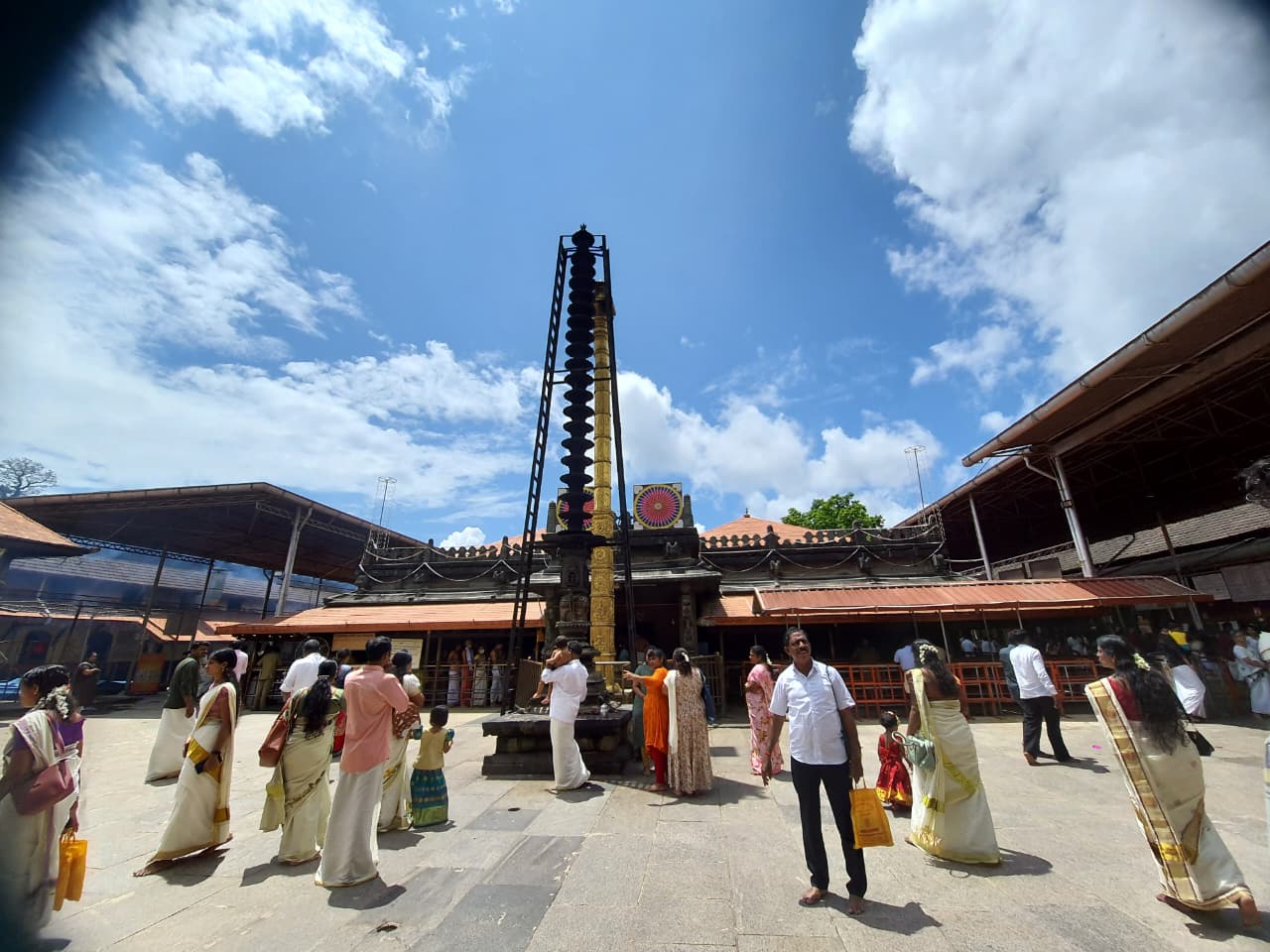
🚗 By road: Good road connectivity from Byndoor/Kundapur/Shimoga on state highways.
🚌 By bus: Frequent express or local private and Govt buses between Kollur and Kunadpur/Byndoor/Hosanagar.
🚆 By train: Nearest Railway Station Byndoor Mookambika Road Railway Station about 30km.
✈️ By air: Mangalore International Airport about 129km
October – January (post-monsoon): Pleasant weather, moderate crowd during normal days.
June – September (monsoon): During this season surrounding looks beautiful, with misty Kodachadri hill views. Less crowd will be in temple.
February – May (summer): Hot weather, most of time temple crowded.
In short: During festival, weekend, public holidays crowd will be more. Need to spend more time on queue. Try to visit normal days.
| Mobile network | Good Network coverage by all operators Airtel, Jio, Vodafone, BSNL |
|---|---|
| Nearest ATM | Kollur |
| Restrooms | Available in Temple premises |
Places usually visited on the same trip.
Kollur Mookambika Temple is located in Kollur, Byndoor Taluk of Udupi district, Karnataka, surrounded by the scenic Western Ghats. It is an important pilgrimage destination in coastal Karnataka and is easily accessible from Byndoor.
Kollur is approximately 28–30 km from Byndoor, making it a convenient destination for visitors staying in or travelling through Byndoor. The journey takes roughly 45–60 minutes by road, depending on traffic and road conditions.