Maranakatte Brahmalingeshwara Temple
Step into a living mythological courtroom at Maranakatte Brahmalingeshwara. Tucked away on the forested banks of the Brahmakunda River, this is not a typical serene shrine, but a powerful center of justice and fierce energy. According to legend, this is the exact spot where Goddess Mookambika performed the Marana Homa (death rites) after slaying the demon Mookasura, eventually granting his soul divinity to be worshipped here as Brahmalingeshwara. Enriched by the mystical presence of a Sri Chakra installed by the ancient philosopher Adi Shankaracharya, the temple radiates an intense, magnetic aura. A unique highlight lies just behind the sanctum—a tranquil, knee-deep river where the natural landscape merges seamlessly with devotion. It is a thrilling blend of raw folklore, riverside beauty, and unshakable local faith.
ಕುಂದಾಪುರ ಕೊಲ್ಲೂರು ಮಾರ್ಗದಲ್ಲಿರುವ ಮಾರಣಕಟ್ಟೆ ಶ್ರೀ ಬ್ರಹ್ಮಲಿಂಗೇಶ್ವರ ಕ್ಷೇತ್ರವು ಕರಾವಳಿಯ ಅತ್ಯಂತ ಪ್ರಸಿದ್ಧ ಹಾಗೂ ದೈವಿಕ ಶಕ್ತಿಯುಳ್ಳ ಪುಣ್ಯಕ್ಷೇತ್ರಗಳಲ್ಲಿ ಒಂದಾಗಿದೆ. ಇಲ್ಲಿನ ಪ್ರಧಾನ ದೈವ ಶ್ರೀ ಬ್ರಹ್ಮಲಿಂಗೇಶ್ವರ ಸ್ವಾಮಿಯಾಗಿದ್ದು, ಇದರ ಜೊತೆಗೆ ಮಲಯಾಳಿ ಯಕ್ಷಿ, ವಾತ ಯಕ್ಷಿ ಹಾಗೂ ಹೈಗುಳಿ, ಚಿಕ್ಕು ಮುಂತಾದ ಪರಿವಾರ ದೈವಗಳ ಸನ್ನಿಧಿಯಿದೆ. ದೇವಸ್ಥಾನದ ಸಮೀಪದಲ್ಲಿ ಬ್ರಹ್ಮಕುಂಡ ನದಿಯು ಹರಿಯುತ್ತ ಈ ಕ್ಷೇತ್ರಕ್ಕೆ ವಿಶೇಷವಾದ ಪ್ರಾಕೃತಿಕ ಸೊಬಗನ್ನು ನೀಡಿದೆ.
ಪೌರಾಣಿಕ ಹಿನ್ನೆಲೆಯ ಪ್ರಕಾರ, ಜಗನ್ಮಾತೆ ಮೂಕಾಂಬಿಕೆಯು ಮೂಕಾಸುರನನ್ನು ವಧಿಸಿದ ಬಳಿಕ ಇಲ್ಲಿ ಮಾರಣ ಹೋಮವನ್ನು ನೆರವೇರಿಸಿದಳು ಎಂಬ ನಂಬಿಕೆಯಿದೆ. ಆ ಅಸುರನಿಗೆ ಸತ್ಯದ ಸಾಕ್ಷಾತ್ಕಾರವಾಗಿ ಮೋಕ್ಷ ನೀಡಿ, ಆತನ ಇಚ್ಛೆಯಂತೆ ತನ್ನ ಹೆಸರನ್ನು ಮೂಕಾಂಬಿಕೆ ಎಂದು ಹಾಗೂ ಅಸುರನ ಆತ್ಮಕ್ಕೆ ದೈವತ್ವ ನೀಡಿ ಬ್ರಹ್ಮಲಿಂಗೇಶ್ವರನೆಂದು ಈ ನೆಲದಲ್ಲಿ ನೆಲೆಗೊಳಿಸಿದಳು ಎಂಬ ಐತಿಹಾಸಿಕ ಹಿನ್ನೆಲೆ ಇದೆ. ಇಲ್ಲಿ ಭಕ್ತರ ವಿವಾದಗಳು ಹಾಗೂ ನ್ಯಾಯ ತೀರ್ಮಾನಗಳು ದೇವರ ಸಮ್ಮುಖದಲ್ಲಿ ನಡೆಯುವುದು ಈ ಕ್ಷೇತ್ರದ ವಿಶೇಷ ನಂಬಿಕೆಯಾಗಿದೆ. ಪ್ರತಿವರ್ಷ ಮಕರ ಸಂಕ್ರಮಣದಂದು ಜರುಗುವ ಮಾರಣಕಟ್ಟೆ ಜಾತ್ರೆಯು ಅತ್ಯಂತ ವಿಜೃಂಭಣೆಯಿಂದ ನಡೆಯುತ್ತದೆ.
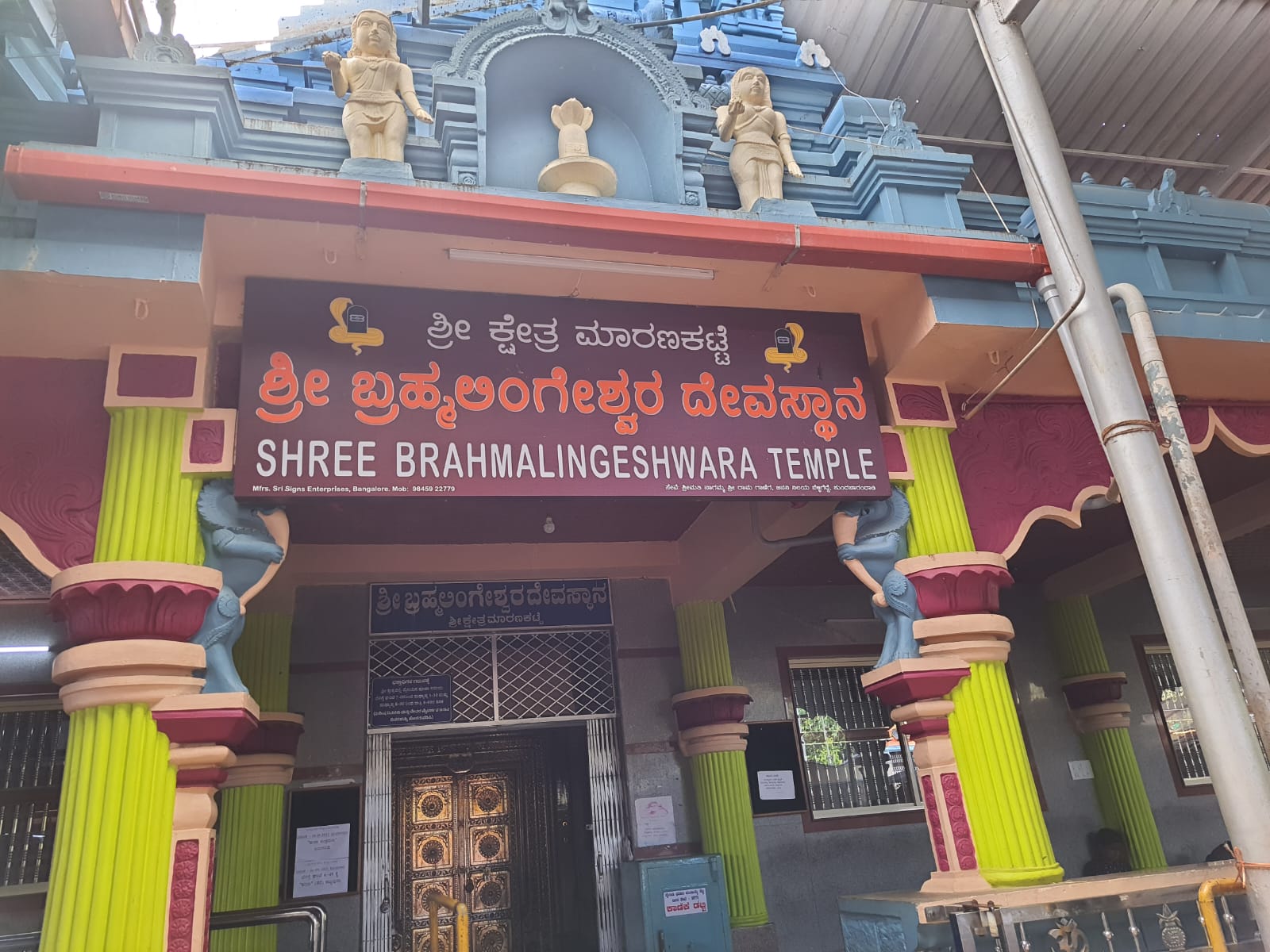
Maranakatte Sri Brahmalingeshwara Temple is a significant traditional shrine in the Byndoor–Kollur region of Udupi district. Located at Maranakatte near the route connecting Kundapura and Kollur, the temple is particularly important in the religious traditions of coastal Karnataka and Tulunadu. The shrine stands near the Brahmakunda River, giving the temple surroundings a distinctive combination of sacred and natural landscape.
Maranakatte has an especially interesting connection with Kollur Mookambika Temple.
According to the local sthala purana, the story begins with Mookasura, the demon associated with the Mookambika tradition. After his encounter with Goddess Mookambika, the place where he was defeated became associated with Maranakatte. The tradition says that although Mookasura was defeated, the Goddess recognised his devotion and granted him a divine status.
He came to be worshipped here as Brahmalingeshwara.
This gives Maranakatte a distinctive place in the wider sacred geography surrounding Kollur: the two shrines are connected through a shared religious tradition, but each has its own identity and worship.
The traditional explanation connects the name with the place where Mookasura met his end. The word “katte” in the local context refers to an elevated platform or raised place, and the temple's traditional history associates this elevated ground with the origin of the name Maranakatte.
This is a traditional explanation rather than a modern geographical derivation, and it forms an important part of the temple's local identity.
The principal deity of the shrine is Sri Brahmalingeshwara. In the local religious tradition, the deity is regarded as a powerful guardian and benefactor of devotees.
The temple is also associated with several parivara daivas, reflecting the broader worship traditions of Tulunadu. Among the associated deities are Yakshi and other local guardian spirits. This combination of mainstream Shaiva worship with regional daiva traditions is one of the features that makes coastal Karnataka's temple culture distinctive.
Maranakatte is also traditionally connected with Adi Shankaracharya. Temple traditions associate him with the establishment of a Sri Chakra at the shrine.
The Sri Chakra is an important symbol within Shakta worship and gives another layer of meaning to Maranakatte's connection with the Mookambika tradition.
As with many accounts surrounding Adi Shankaracharya's travels in this region, this should be understood as religious and temple tradition, rather than presented as independently established historical fact.
One of the most important occasions at the temple is the annual celebration associated with Makara Sankranti, popularly known as Maranakatte Habba.
The festival attracts devotees from the surrounding region and is an important occasion in the local religious calendar. It is not simply a temple ceremony; it also represents the continuing relationship between the shrine and the communities of coastal Karnataka.
For travellers heading towards Kollur, Maranakatte makes an interesting religious stop along the journey. Its significance comes not from monumental architecture or scale, but from the local mythology, Brahmalingeshwara worship and Tulunadu's living traditions of guardian deities.
The surrounding river landscape also adds to the experience. Rather than treating Maranakatte only as a temple destination, visitors can appreciate it as part of the cultural landscape between Kundapura and Kollur.
Maranakatte is particularly interesting for visitors who want to understand the local religious traditions of coastal Karnataka beyond its better-known temples.
Its main attractions are:
The temple's general opening hours 7:00 AM–1:30 PM and 4:00 PM–8:00 PM. Timings can change during festivals and special rituals, so visitors should verify the current schedule before planning a visit.
ಕುಂದಾಪುರದಿಂದ ಕೊಲ್ಲೂರಿನತ್ತ ಸಾಗುವ ಮಾರ್ಗದಲ್ಲಿ, ಪಶ್ಚಿಮ ಘಟ್ಟಗಳ ತಪ್ಪಲಿನ ಕರಾವಳಿ–ಮಲೆನಾಡಿನ ಸಂಗಮ ಪ್ರದೇಶದಲ್ಲಿ ನೆಲೆಗೊಂಡಿರುವ ಮಾರಣಕಟ್ಟೆ ಶ್ರೀ ಬ್ರಹ್ಮಲಿಂಗೇಶ್ವರ ದೇವಸ್ಥಾನವು ಉಡುಪಿ ಜಿಲ್ಲೆಯ ಪ್ರಮುಖ ಪುರಾಣ ಪ್ರಸಿದ್ಧ ಕ್ಷೇತ್ರಗಳಲ್ಲಿ ಒಂದಾಗಿದೆ. ಇಲ್ಲಿನ ಕ್ಷೇತ್ರಮಹಿಮೆ ಕೇವಲ ದೇವಾಲಯದ ಇತಿಹಾಸದಲ್ಲಿಲ್ಲ; ಮೂಕಾಂಬಿಕಾ ದೇವಿ ಮತ್ತು ಮೂಕಾಸುರನ ಪುರಾಣಕಥೆಯೊಂದಿಗೆ ನೇರವಾಗಿ ಜೋಡಿಕೊಂಡಿರುವ ಸ್ಥಳಪುರಾಣವೇ ಮಾರಣಕಟ್ಟೆಯ ವಿಶಿಷ್ಟತೆಯ ಮೂಲ.
ಕರ್ನಾಟಕ ಸರ್ಕಾರದ ಹಿಂದೂ ಧಾರ್ಮಿಕ ಸಂಸ್ಥೆಗಳು ಮತ್ತು ಧರ್ಮಾದಾಯ ದತ್ತಿ ಇಲಾಖೆಯ ದಾಖಲೆಗಳಲ್ಲಿಯೂ ಮಾರಣಕಟ್ಟೆಯನ್ನು ಮೂಕಾಸುರನು ಶ್ರೀದೇವಿಯಿಂದ ಸಂಹರಿಸಲ್ಪಟ್ಟ ಸ್ಥಳವೆಂದು ಕ್ಷೇತ್ರಪುರಾಣದ ರೂಪದಲ್ಲಿ ವಿವರಿಸಲಾಗಿದೆ.
ಮಾರಣಕಟ್ಟೆಯ ಸ್ಥಳಪುರಾಣವು ಕಂಹಾಸುರ ಅಥವಾ ಮೂಕಾಸುರನ ಕಥೆಯೊಂದಿಗೆ ಆರಂಭವಾಗುತ್ತದೆ.
ಕ್ಷೇತ್ರದ ಪರಂಪರೆಯ ಪ್ರಕಾರ, ಪಶ್ಚಿಮ ಘಟ್ಟಗಳ ತಪ್ಪಲಿನ ದಟ್ಟ ಅರಣ್ಯ ಪ್ರದೇಶದಲ್ಲಿ ಕಂಹಾಸುರ ಎಂಬ ಅಸುರನಿದ್ದನು. ಅವನಿಂದ ಋಷಿಗಳು ಮತ್ತು ಜನಸಾಮಾನ್ಯರು ತೊಂದರೆ ಅನುಭವಿಸುತ್ತಿದ್ದರು. ಅವರ ಪ್ರಾರ್ಥನೆ ಮತ್ತು ಮೊರೆಯನ್ನು ಕೇಳಿದ ಜಗಜ್ಜನನಿ ದೇವಿಯು ಅಸುರನ ಅಹಂಕಾರವನ್ನು ಕೊನೆಗಾಣಿಸಲು ಮುಂದಾದಳು.
ಕಂಹಾಸುರನು ತನ್ನ ಶಕ್ತಿಯನ್ನು ಮತ್ತಷ್ಟು ಹೆಚ್ಚಿಸಿಕೊಳ್ಳಲು ತಪಸ್ಸು ನಡೆಸುತ್ತಿದ್ದ ಸಂದರ್ಭದಲ್ಲಿ ದೇವಿಯ ಅನುಗ್ರಹದಿಂದ ಅವನ ಮಾತಿನ ಶಕ್ತಿ ನಷ್ಟವಾಯಿತು. ಮಾತು ಕಳೆದುಕೊಂಡ ಕಾರಣ ಅವನು ‘ಮೂಕಾಸುರ’ ಎಂಬ ಹೆಸರಿನಿಂದ ಪ್ರಸಿದ್ಧನಾದನು.
ಆದರೆ ಈ ಕಥೆಯಲ್ಲಿರುವ ಪ್ರಮುಖ ತಿರುವು ಅವನ ಮರಣದಲ್ಲಿಲ್ಲ—ಮರಣದ ನಂತರ ಅವನಿಗೆ ದೊರೆತ ಸ್ಥಾನದಲ್ಲಿದೆ.
ದೇವಿಯೊಂದಿಗೆ ನಡೆದ ಯುದ್ಧದಲ್ಲಿ ಮೂಕಾಸುರನು ಸಂಹರಿಸಲ್ಪಟ್ಟನು. ಕ್ಷೇತ್ರದ ನಂಬಿಕೆಯ ಪ್ರಕಾರ, ತನ್ನ ಅಂತಿಮ ಕ್ಷಣಗಳಲ್ಲಿ ಅವನಲ್ಲಿ ದೇವಿಯ ಮೇಲಿನ ಭಕ್ತಿ ಮತ್ತು ಮೋಕ್ಷದ ಆಶಯ ಮೂಡಿತು. ಅವನ ಭಕ್ತಿಯನ್ನು ಮೆಚ್ಚಿದ ದೇವಿಯು ಅವನಿಗೆ ಅನುಗ್ರಹ ನೀಡಿ, ತನ್ನ ಸಮೀಪದಲ್ಲಿಯೇ ಭೂತಗಣಗಳಿಗೆ ಒಡೆಯನಾಗಿ ನೆಲೆಸುವ ವರವನ್ನು ನೀಡಿದಳು.
ಅವನು “ಮಾರಣಕಟ್ಟೆ ಬ್ರಹ್ಮ” ಎಂಬ ಹೆಸರಿನಿಂದ ಪ್ರಸಿದ್ಧನಾಗಲಿ, ಅವನ ಪರಿವಾರದವರು ಮಾರಣಕಟ್ಟೆ ಗಣಗಳು ಎಂದು ಕರೆಯಲ್ಪಡಲಿ ಎಂದು ದೇವಿ ಅನುಗ್ರಹಿಸಿದಳು ಎಂಬುದು ಕ್ಷೇತ್ರಪುರಾಣದ ಪ್ರಮುಖ ಅಂಶ.
ಹೀಗೆ, ದೇವಿಯಿಂದ ಸಂಹರಿಸಲ್ಪಟ್ಟ ಅಸುರನೇ ಮುಂದೆ ದೇವಿಯ ಅನುಗ್ರಹದಿಂದ ಶ್ರೀ ಬ್ರಹ್ಮಲಿಂಗೇಶ್ವರ ಎಂಬ ಕಾರಣಿಕ ದೈವವಾಗಿ ಆರಾಧಿಸಲ್ಪಟ್ಟನು ಎಂಬ ನಂಬಿಕೆ ಮಾರಣಕಟ್ಟೆಯ ಕ್ಷೇತ್ರಮಹಿಮೆಯ ಕೇಂದ್ರದಲ್ಲಿದೆ.
ಸ್ಥಳದ ಹೆಸರಿಗೂ ಇದೇ ಪುರಾಣದೊಂದಿಗೆ ಸಂಬಂಧವಿದೆ.
ಮೂಕಾಸುರನು ಮರಣ ಹೊಂದಿದ ಸ್ಥಳವು ಎತ್ತರವಾಗಿದ್ದು, ಕಟ್ಟೆಯಂತಿರುವ ಪ್ರದೇಶವಾಗಿದ್ದುದರಿಂದ ಅದು “ಮಾರಣಕಟ್ಟೆ” ಎಂದು ಪ್ರಸಿದ್ಧವಾಗುತ್ತದೆ ಎಂದು ದೇವಿಯು ಅನುಗ್ರಹಿಸಿದಳು ಎಂಬುದು ಕ್ಷೇತ್ರದ ಸ್ಥಳಪುರಾಣ.
ಅಂದರೆ “ಮಾರಣಕಟ್ಟೆ” ಎಂಬ ಹೆಸರು ಕೇವಲ ಭೌಗೋಳಿಕ ಗುರುತು ಅಲ್ಲ; ದೇವಿ ಮತ್ತು ಮೂಕಾಸುರನ ನಡುವಿನ ಆ ಮಹಾಯುದ್ಧದ ನೆನಪನ್ನು ಹೊತ್ತಿರುವ ಹೆಸರಾಗಿದೆ.
ಈ ಕಾರಣದಿಂದಲೇ ಈ ಸ್ಥಳದ ಹೆಸರಿನಲ್ಲಿಯೇ ಅದರ ಪುರಾಣದ ಒಂದು ಭಾಗ ಅಡಗಿದೆ.
ಮಾರಣಕಟ್ಟೆಯ ಕಥೆಯನ್ನು ಕೊಲ್ಲೂರು ಶ್ರೀ ಮೂಕಾಂಬಿಕಾ ಕ್ಷೇತ್ರದಿಂದ ಬೇರ್ಪಡಿಸಿ ನೋಡಲು ಸಾಧ್ಯವಿಲ್ಲ.
ಕೊಲ್ಲೂರಿನಲ್ಲಿ ಮೂಕಾಸುರನೊಂದಿಗೆ ದೇವಿಯ ಯುದ್ಧದ ಪುರಾಣವು ಪ್ರಮುಖವಾಗಿದ್ದರೆ, ಮಾರಣಕಟ್ಟೆಯ ಕ್ಷೇತ್ರಪರಂಪರೆಯಲ್ಲಿ ಅದೇ ಮೂಕಾಸುರನಿಗೆ ದೇವಿಯು ಅನುಗ್ರಹ ನೀಡಿ ಬ್ರಹ್ಮಲಿಂಗೇಶ್ವರನಾಗಿ ನೆಲೆಗೊಳಿಸಿದ ಕಥೆ ಮುಖ್ಯವಾಗುತ್ತದೆ.
ಹೀಗಾಗಿ ಕೊಲ್ಲೂರು ಮತ್ತು ಮಾರಣಕಟ್ಟೆ ಎರಡೂ ಕ್ಷೇತ್ರಗಳ ನಡುವೆ ಪುರಾಣದ ಒಂದು ವಿಶಿಷ್ಟ ಕೊಂಡಿ ನಿರ್ಮಾಣವಾಗುತ್ತದೆ.
ಒಂದು ಕಡೆ ಮೂಕಾಂಬಿಕಾ—ಆದಿಶಕ್ತಿಯ ರೂಪ.
ಮತ್ತೊಂದು ಕಡೆ ಬ್ರಹ್ಮಲಿಂಗೇಶ್ವರ—ದೇವಿಯ ಅನುಗ್ರಹದಿಂದ ಕಾರಣಿಕ ದೈವತ್ವ ಪಡೆದ ಮೂಕಾಸುರ.
ಈ ಸಂಬಂಧವೇ ಮಾರಣಕಟ್ಟೆಯ ಆರಾಧನಾ ಪರಂಪರೆಗೆ ಅದರದೇ ಆದ ವಿಶಿಷ್ಟ ಅರ್ಥವನ್ನು ನೀಡುತ್ತದೆ.
ಮಾರಣಕಟ್ಟೆಯಲ್ಲಿ ಬ್ರಹ್ಮಲಿಂಗೇಶ್ವರನನ್ನು ಭಕ್ತ ಪೋಷಕ ಮತ್ತು ಅಭಯದಾತನಾಗಿ ಭಕ್ತರು ಆರಾಧಿಸುತ್ತಾರೆ.
ಸ್ಥಳೀಯ ಪರಂಪರೆಯಲ್ಲಿ ಈ ದೇವರಿಗೆ “ಕಾರಣಿಕ” ಎಂಬ ವಿಶೇಷ ಸ್ಥಾನವಿದೆ. ದೇವರ ಸನ್ನಿಧಿಯಲ್ಲಿ ಹೇಳುವ ಮಾತು, ಹರಕೆ ಮತ್ತು ಪ್ರಾರ್ಥನೆಗಳಿಗೆ ವಿಶೇಷ ಮಹತ್ವವಿದೆ ಎಂಬ ನಂಬಿಕೆ ಭಕ್ತರಲ್ಲಿ ಕಂಡುಬರುತ್ತದೆ.
ಇಲ್ಲಿ ದೇವರನ್ನು ಕೇವಲ ಪುರಾಣದ ಪಾತ್ರವಾಗಿ ನೋಡುವುದಿಲ್ಲ. ತಲೆಮಾರುಗಳಿಂದ ಭಕ್ತರ ಬದುಕಿನೊಂದಿಗೆ ಬೆಸೆದುಕೊಂಡಿರುವ ಜೀವಂತ ಆರಾಧ್ಯ ದೈವವಾಗಿ ಕಾಣಲಾಗುತ್ತದೆ.
ಇದೇ ಕಾರಣದಿಂದ ಮಾರಣಕಟ್ಟೆಯ ಕ್ಷೇತ್ರಮಹಿಮೆಯಲ್ಲಿ “ಭಯಪಡುವವನಿಗೆ ಆಶ್ರಯ, ಸಂಕಷ್ಟದಲ್ಲಿರುವವನಿಗೆ ಧೈರ್ಯ” ಎಂಬ ಭಕ್ತಿಭಾವಕ್ಕೆ ವಿಶೇಷ ಸ್ಥಾನವಿದೆ.
ಮಾರಣಕಟ್ಟೆಯ ಇತಿಹಾಸದಲ್ಲಿ ಮತ್ತೊಂದು ಪ್ರಮುಖ ಹೆಸರು ಆದಿ ಶಂಕರಾಚಾರ್ಯರು.
ಕ್ಷೇತ್ರದ ಸ್ವಂತ ಸ್ಥಳಪುರಾಣದ ಪ್ರಕಾರ, ಕೊಲ್ಲೂರಿಗೆ ಆಗಮಿಸಿದ ಶಂಕರಾಚಾರ್ಯರು ಮಾರಣಕಟ್ಟೆ ಕ್ಷೇತ್ರಕ್ಕೂ ಬಂದರು. ಅವರ ಆಗಮನದೊಂದಿಗೆ ಕ್ಷೇತ್ರಕ್ಕೆ ಮತ್ತಷ್ಟು ಆಧ್ಯಾತ್ಮಿಕ ಮಹತ್ವ ದೊರೆಯಿತು ಎಂಬುದು ಸ್ಥಳೀಯ ಪರಂಪರೆ.
ಅದೇ ಪರಂಪರೆಯಲ್ಲಿ ಶಂಕರಾಚಾರ್ಯರಿಂದ ಶ್ರೀಚಕ್ರ ಸ್ಥಾಪನೆ ನಡೆದಿರುವುದಾಗಿ ಹೇಳಲಾಗುತ್ತದೆ. ಕ್ಷೇತ್ರದ ಅಧಿಕೃತ ಇತಿಹಾಸದಲ್ಲಿಯೂ ಶಂಕರಾಚಾರ್ಯರ ಆಗಮನ ಮತ್ತು ಶ್ರೀಚಕ್ರದ ಉಲ್ಲೇಖವಿದೆ.
ಶ್ರೀಚಕ್ರವು ಶಾಕ್ತ ಆರಾಧನೆಯಲ್ಲಿ ಅತ್ಯಂತ ಮಹತ್ವದ ಯಂತ್ರವಾಗಿರುವುದರಿಂದ, ಮಾರಣಕಟ್ಟೆಯ ಸ್ಥಳೀಯ ದೈವಾರಾಧನೆ ಮತ್ತು ಶಕ್ತಿಪರಂಪರೆಯ ನಡುವೆ ಇರುವ ಸಂಬಂಧವನ್ನು ಅರ್ಥಮಾಡಿಕೊಳ್ಳಲು ಇದೊಂದು ಪ್ರಮುಖ ಅಂಶವಾಗಿದೆ.
ಮಾರಣಕಟ್ಟೆಯ ವಿಶೇಷತೆಯನ್ನು ಕೇವಲ ಬ್ರಹ್ಮಲಿಂಗೇಶ್ವರನ ಸನ್ನಿಧಿಗೆ ಸೀಮಿತಗೊಳಿಸಲಾಗುವುದಿಲ್ಲ.
ಕರಾವಳಿ ಕರ್ನಾಟಕದ ಧಾರ್ಮಿಕ ಸಂಸ್ಕೃತಿಯಲ್ಲಿ ಮುಖ್ಯ ದೇವರೊಂದಿಗೆ ಪರಿವಾರ ದೈವಗಳು ಮತ್ತು ಸ್ಥಳೀಯ ದೈವಾರಾಧನೆಗೂ ಪ್ರಮುಖ ಸ್ಥಾನವಿದೆ. ಮಾರಣಕಟ್ಟೆಯಲ್ಲಿಯೂ ಬ್ರಹ್ಮಲಿಂಗೇಶ್ವರನೊಂದಿಗೆ ಸಂಬಂಧ ಹೊಂದಿರುವ ಪರಿವಾರ ದೈವಗಳ ಆರಾಧನಾ ಪರಂಪರೆ ಇದೆ.
ಈ ಪರಂಪರೆ ಕರಾವಳಿ ಕರ್ನಾಟಕದ ವಿಶಿಷ್ಟ ಧಾರ್ಮಿಕ ಸಂಸ್ಕೃತಿಯ ಒಂದು ಭಾಗ. ಇಲ್ಲಿ ಪುರಾಣ, ಶೈವ ಆರಾಧನೆ, ಶಕ್ತಿಪರಂಪರೆ ಮತ್ತು ಸ್ಥಳೀಯ ದೈವಾರಾಧನೆಗಳು ಒಂದಕ್ಕೊಂದು ಬೆರೆತು ಕಾಣಿಸುತ್ತವೆ.
ಇದರಿಂದ ಮಾರಣಕಟ್ಟೆ ಒಂದು ಸಾಮಾನ್ಯ ಶಿವಕ್ಷೇತ್ರದ ರೂಪಕ್ಕಿಂತ ವಿಶಾಲವಾದ ಕರಾವಳಿ ಜನಪದ ಧಾರ್ಮಿಕ ಪರಂಪರೆಯ ಕ್ಷೇತ್ರವಾಗಿ ಗುರುತಿಸಿಕೊಳ್ಳುತ್ತದೆ.
ಮಾರಣಕಟ್ಟೆಯ ವಾರ್ಷಿಕ ಆಚರಣೆಗಳಲ್ಲಿ ಮಕರ ಸಂಕ್ರಾಂತಿಯ ಸಂದರ್ಭದಲ್ಲಿ ನಡೆಯುವ ಜಾತ್ರೆಗೆ ವಿಶೇಷ ಮಹತ್ವವಿದೆ.
ಕ್ಷೇತ್ರದ ಸ್ವಂತ ಮಾಹಿತಿಯ ಪ್ರಕಾರ, ಮಕರ ಸಂಕ್ರಮಣದಂದು ಇಲ್ಲಿ ವಿಶೇಷವಾಗಿ ಉತ್ಸವ ನಡೆಯುತ್ತದೆ. ಈ ಸಂದರ್ಭದಲ್ಲಿ ದೂರದ ಊರುಗಳಿಂದಲೂ ಭಕ್ತರು ಕ್ಷೇತ್ರಕ್ಕೆ ಆಗಮಿಸುತ್ತಾರೆ.
ಕರಾವಳಿ ಕರ್ನಾಟಕದ ಜಾತ್ರೆಗಳು ಕೇವಲ ಪೂಜಾ ಕಾರ್ಯಕ್ರಮಗಳಲ್ಲ. ಅವು ಊರಿನ ಜನರನ್ನು, ಕುಟುಂಬಗಳನ್ನು ಮತ್ತು ಭಕ್ತ ಸಮುದಾಯವನ್ನು ಒಂದೇ ಸ್ಥಳದಲ್ಲಿ ಸೇರಿಸುವ ಸಾಮಾಜಿಕ ಆಚರಣೆಗಳೂ ಆಗಿವೆ.
ಮಾರಣಕಟ್ಟೆಯ ಜಾತ್ರೆಯೂ ಇದೇ ರೀತಿಯಲ್ಲಿ ಕ್ಷೇತ್ರದ ಧಾರ್ಮಿಕ ಗುರುತನ್ನು ಜನಜೀವನದೊಂದಿಗೆ ಜೋಡಿಸುತ್ತದೆ.
ಮಾರಣಕಟ್ಟೆಯ ಕ್ಷೇತ್ರಪರಂಪರೆಯಲ್ಲಿ ಕಾರಣಿಕ ಮತ್ತು ವಾಕ್ಯಕ್ಕೆ ವಿಶೇಷ ಸ್ಥಾನವಿದೆ ಎಂಬುದು ಸ್ಥಳೀಯವಾಗಿ ಪ್ರಸಿದ್ಧ.
ದೇವರ ಸನ್ನಿಧಿಯಲ್ಲಿ ಹೇಳುವ ಮಾತು ಮತ್ತು ತೀರ್ಮಾನಕ್ಕೆ ಭಕ್ತರು ವಿಶೇಷ ನಂಬಿಕೆ ಹೊಂದಿದ್ದಾರೆ. ಇದು ಕರಾವಳಿ ಕರ್ನಾಟಕದ ದೈವಾರಾಧನಾ ಸಂಸ್ಕೃತಿಯಲ್ಲಿ ಕಾಣುವ ಒಂದು ವಿಶಿಷ್ಟ ಅಂಶ.
ಇದನ್ನು ಹೊರಗಿನ ಪ್ರವಾಸಿಗನು ಕೇವಲ ಒಂದು ಧಾರ್ಮಿಕ ಆಚರಣೆಯಾಗಿ ನೋಡಬಹುದು. ಆದರೆ ಸ್ಥಳೀಯ ಭಕ್ತರಿಗೆ ಇದು ದೇವರ ಸನ್ನಿಧಿಯಲ್ಲಿ ಸತ್ಯ, ನ್ಯಾಯ ಮತ್ತು ನಂಬಿಕೆಯನ್ನು ಪ್ರತಿನಿಧಿಸುವ ಗಂಭೀರ ಪರಂಪರೆಯಾಗಿದೆ.
ಈ ಕಾರಣದಿಂದ ಮಾರಣಕಟ್ಟೆಯ ಕ್ಷೇತ್ರವು ಧಾರ್ಮಿಕ ಯಾತ್ರೆಯ ಜೊತೆಗೆ ಸ್ಥಳೀಯ ನ್ಯಾಯ–ನಂಬಿಕೆ ಸಂಸ್ಕೃತಿಯ ಅಧ್ಯಯನಕ್ಕೂ ಆಸಕ್ತಿದಾಯಕ ಸ್ಥಳವಾಗಿದೆ.
ಮಾರಣಕಟ್ಟೆ ಕ್ಷೇತ್ರವು ಚಿತ್ತೂರು ಗ್ರಾಮದೊಂದಿಗೆ ನಿಕಟವಾಗಿ ಸಂಬಂಧ ಹೊಂದಿದೆ.
ಕ್ಷೇತ್ರದ ಸ್ವಂತ ಇತಿಹಾಸದ ಪ್ರಕಾರ, ಸ್ಥಳೀಯ ಜನಪದ ಪರಂಪರೆಯಲ್ಲಿ ಚಿತ್ತೂರು ಗುಡಿಕೇರಿ ಮನೆಯ ಚಂದಯ್ಯ ಶೆಟ್ಟಿ ಅವರು ದೇವಾಲಯ ನಿರ್ಮಾಣಕ್ಕೆ ಸಂಬಂಧಿಸಿದವರಾಗಿ ಉಲ್ಲೇಖಿಸಲ್ಪಡುತ್ತಾರೆ. ಮಂಜರ ಅರ್ಚಕ ಕುಟುಂಬದವರ ಮೂಲಕ ಪೂಜೆ ಮತ್ತು ಆಡಳಿತ ಮುಂದುವರಿದಿತೆಂಬ ಪರಂಪರೆಯೂ ಅಲ್ಲಿ ದಾಖಲಿಸಲಾಗಿದೆ.
ಇಂತಹ ವಿವರಗಳು ಮಾರಣಕಟ್ಟೆಯ ಇತಿಹಾಸವನ್ನು ಕೇವಲ ಪುರಾಣದ ಮಟ್ಟದಲ್ಲಿ ನಿಲ್ಲಿಸದೆ, ನಂತರದ ಕಾಲದಲ್ಲಿ ಸ್ಥಳೀಯ ಕುಟುಂಬಗಳು ಮತ್ತು ಸಮುದಾಯಗಳು ಕ್ಷೇತ್ರದ ನಿರ್ವಹಣೆ ಹಾಗೂ ಆರಾಧನೆಯನ್ನು ಹೇಗೆ ಮುಂದುವರಿಸಿಕೊಂಡು ಬಂದವು ಎಂಬುದನ್ನು ತಿಳಿಯಲು ಸಹಾಯ ಮಾಡುತ್ತವೆ.
ಮಾರಣಕಟ್ಟೆಯ ಭೌಗೋಳಿಕ ಸೌಂದರ್ಯವೂ ಅದರ ಅನುಭವದ ಒಂದು ಭಾಗವಾಗಿದೆ.
ದೇವಾಲಯದ ಸಮೀಪ ಬ್ರಹ್ಮಕುಂಡ ನದಿ ಹರಿಯುತ್ತದೆ. ನದಿಯ ತಿರುವು, ಸುತ್ತಲಿನ ಹಸಿರು ಮತ್ತು ಪಶ್ಚಿಮ ಘಟ್ಟಗಳ ತಪ್ಪಲಿನ ಭೌಗೋಳಿಕ ಸ್ವರೂಪವು ಕ್ಷೇತ್ರಕ್ಕೆ ವಿಶಿಷ್ಟ ಹಿನ್ನೆಲೆಯನ್ನು ನೀಡುತ್ತದೆ.
ಧಾರ್ಮಿಕ ಕ್ಷೇತ್ರಗಳು ಮತ್ತು ನದಿಗಳ ನಡುವಿನ ಸಂಬಂಧ ಭಾರತೀಯ ಸಂಸ್ಕೃತಿಯಲ್ಲಿ ಬಹಳ ಪುರಾತನ. ಮಾರಣಕಟ್ಟೆಯಲ್ಲಿಯೂ ನದಿ ಮತ್ತು ದೇವಾಲಯದ ಸಾನ್ನಿಧ್ಯವು ಕ್ಷೇತ್ರದ ಸ್ವರೂಪಕ್ಕೆ ಒಂದು ನೈಸರ್ಗಿಕ ಆಯಾಮವನ್ನು ನೀಡುತ್ತದೆ.
ಮಾರಣಕಟ್ಟೆಯನ್ನು ವಿಶೇಷವಾಗಿಸುವುದು ಕೇವಲ ಅದರ ಪುರಾತನತೆ ಅಲ್ಲ.
ಇಲ್ಲಿ ಒಂದು ಅಪರೂಪದ ಪುರಾಣಸಂಕಲ್ಪವಿದೆ—ದೇವಿಯಿಂದ ಸಂಹರಿಸಲ್ಪಟ್ಟ ಅಸುರನೇ, ಅವಳ ಅನುಗ್ರಹದಿಂದ ಅದೇ ಕ್ಷೇತ್ರದಲ್ಲಿ ದೈವತ್ವ ಪಡೆದು ಆರಾಧಿಸಲ್ಪಡುತ್ತಾನೆ.
ಮೂಕಾಸುರನ ಕಥೆಯಲ್ಲಿ ಅಂತ್ಯವೆನಿಸುವ ಮರಣವೇ ಮಾರಣಕಟ್ಟೆಯ ಕಥೆಯಲ್ಲಿ ಹೊಸ ಆರಂಭವಾಗುತ್ತದೆ.
ಅಸುರನಿಂದ ಭಕ್ತನಿಗೆ,
ಭಕ್ತನಿಂದ ಬ್ರಹ್ಮಲಿಂಗೇಶ್ವರನಿಗೆ,
ಮರಣಸ್ಥಳದಿಂದ ಪವಿತ್ರ ಕ್ಷೇತ್ರಕ್ಕೆ—
ಈ ಪರಿವರ್ತನೆಯೇ ಮಾರಣಕಟ್ಟೆಯ ಸ್ಥಳಪುರಾಣದ ಅತ್ಯಂತ ವಿಶಿಷ್ಟ ಅಂಶ.
ಮಾರಣಕಟ್ಟೆ ಬೈಂದೂರು ಭಾಗದ ಪ್ರವಾಸೋದ್ಯಮದಲ್ಲಿ ಗಮನಾರ್ಹ ಸ್ಥಾನ ಹೊಂದಲು ಕಾರಣ ಅದರ ಭೌಗೋಳಿಕ ಸ್ಥಳ ಮಾತ್ರವಲ್ಲ; ಕರಾವಳಿ ಮತ್ತು ಪಶ್ಚಿಮ ಘಟ್ಟಗಳ ಸಾಂಸ್ಕೃತಿಕ ಸಂಪರ್ಕವನ್ನು ಅನುಭವಿಸಲು ಇದು ಒಂದು ಉತ್ತಮ ತಾಣ.
ಬೈಂದೂರು ಭಾಗದಿಂದ ಕೊಲ್ಲೂರಿನತ್ತ ಸಾಗುವ ಪ್ರವಾಸದಲ್ಲಿ ಮಾರಣಕಟ್ಟೆ ಒಂದು ಪ್ರಮುಖ ಧಾರ್ಮಿಕ ಮತ್ತು ಸಾಂಸ್ಕೃತಿಕ ವಿರಾಮವಾಗಿ ಕಾಣಿಸುತ್ತದೆ.
ಕೊಲ್ಲೂರು ಮೂಕಾಂಬಿಕಾ ಕ್ಷೇತ್ರದೊಂದಿಗೆ ಇದರ ಪೌರಾಣಿಕ ಸಂಬಂಧವಿರುವುದರಿಂದ, ಈ ಎರಡು ಕ್ಷೇತ್ರಗಳನ್ನು ಒಂದೇ ಪ್ರವಾಸದಲ್ಲಿ ನೋಡುವುದರಿಂದ ಈ ಪ್ರದೇಶದ ಸ್ಥಳಪುರಾಣದ ಒಂದು ದೊಡ್ಡ ಕಥೆಯನ್ನು ಅರ್ಥಮಾಡಿಕೊಳ್ಳಬಹುದು.
ಮಾರಣಕಟ್ಟೆಯ ಕಥೆಯನ್ನು ಒಂದೇ ಸಾಲಿನಲ್ಲಿ ಹೇಳಬೇಕಾದರೆ—
ಇದು ಮೂಕಾಸುರನ ಮರಣದ ಸ್ಥಳ ಮಾತ್ರವಲ್ಲ; ದೇವಿಯ ಅನುಗ್ರಹದಿಂದ ಅವನೇ ಬ್ರಹ್ಮಲಿಂಗೇಶ್ವರನಾಗಿ ನೆಲೆಗೊಂಡನೆಂದು ನಂಬಲಾಗುವ ಕ್ಷೇತ್ರ.
ಅದರ ಹೆಸರಿನಲ್ಲಿ ಒಂದು ಪುರಾಣವಿದೆ.
ಅದರ ಆರಾಧನೆಯಲ್ಲಿ ಒಂದು ವಿಶಿಷ್ಟ ಪರಂಪರೆ ಇದೆ.
ಅದರ ಜಾತ್ರೆಯಲ್ಲಿ ಒಂದು ಜೀವಂತ ಜನಸಂಸ್ಕೃತಿ ಇದೆ.
ಅದರ ಸನ್ನಿಧಿಯಲ್ಲಿ ಶೈವ, ಶಾಕ್ತ ಮತ್ತು ಕರಾವಳಿಯ ಸ್ಥಳೀಯ ದೈವಾರಾಧನಾ ಪರಂಪರೆಗಳು ಒಂದಾಗಿವೆ.
ಮೂಕಾಂಬಿಕೆಯ ಕೈಯಲ್ಲಿ ಅಂತ್ಯ ಕಂಡ ಮೂಕಾಸುರನ ಕಥೆಯೇ ಮಾರಣಕಟ್ಟೆಯಲ್ಲಿ ಬ್ರಹ್ಮಲಿಂಗೇಶ್ವರನ ಆರಾಧನೆಯಾಗಿ ಮುಂದುವರಿಯುತ್ತದೆ ಎಂಬ ನಂಬಿಕೆ ಈ ಕ್ಷೇತ್ರಕ್ಕೆ ತನ್ನದೇ ಆದ ವಿಶಿಷ್ಟ ಗುರುತನ್ನು ನೀಡಿದೆ.
ಆ ಕಾರಣದಿಂದಲೇ ಮಾರಣಕಟ್ಟೆ ಕೇವಲ ಕೊಲ್ಲೂರಿನ ದಾರಿಯಲ್ಲಿರುವ ಒಂದು ದೇವಾಲಯವಲ್ಲ; ಅದು ತನ್ನದೇ ಆದ ಪುರಾಣ, ಪರಂಪರೆ ಮತ್ತು ಕಾರಣಿಕ ನಂಬಿಕೆಯನ್ನು ಹೊಂದಿರುವ ಒಂದು ಜೀವಂತ ಕ್ಷೇತ್ರ.
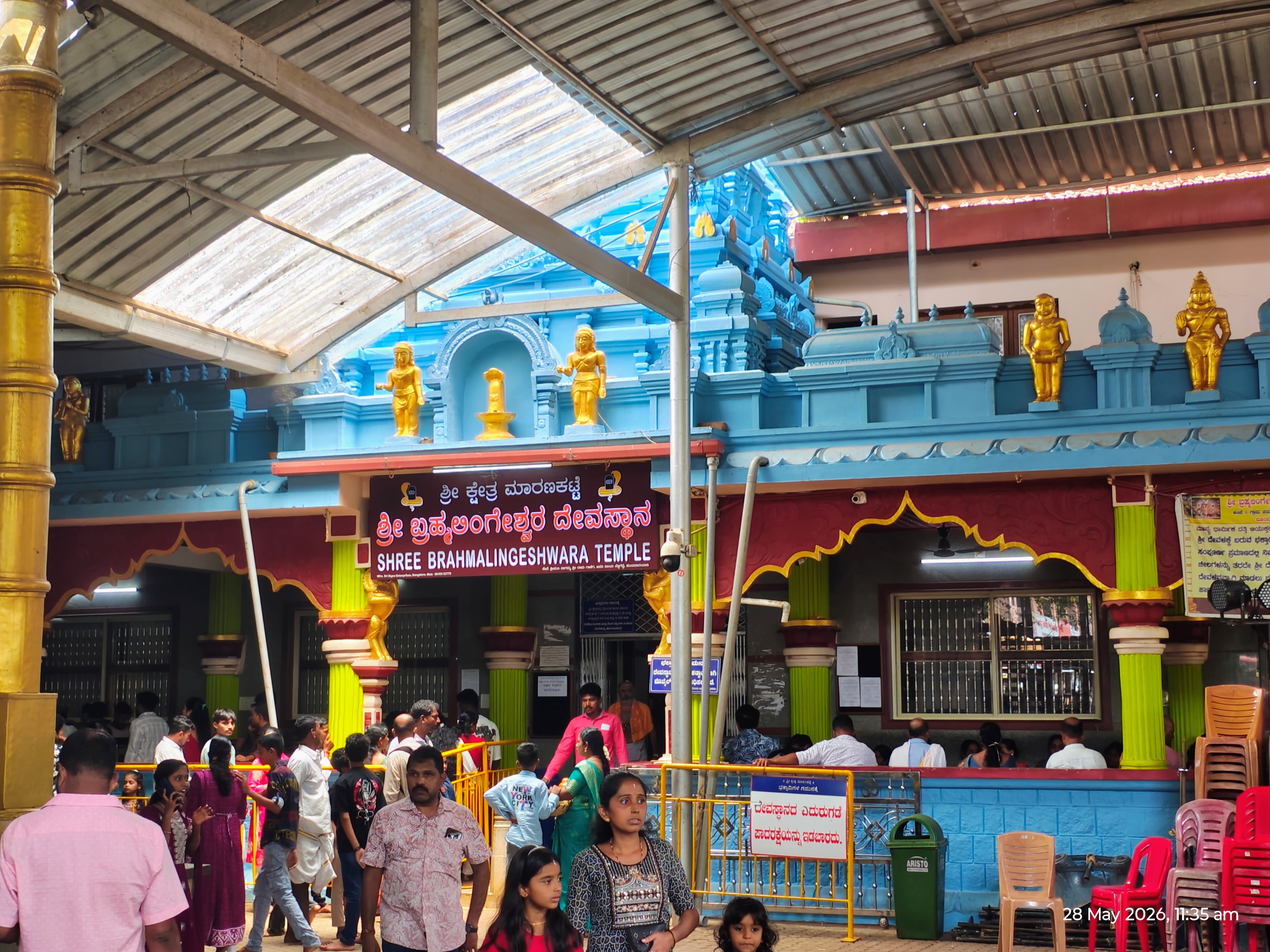
🚗 By road: Kollur-Kundapura main road
🚌 By bus: Frequent Local/express private and govt buses available from Kundapura and Kollur
🚆 By train: Nearest Railway Station Kundapura Railway Station about 24km.
✈️ By air: Mangalore International Airport about 113km
| Nearest ATM | Near temple |
|---|---|
| Restrooms | Available in temple premises |
Places usually visited on the same trip.