Hidden deep within the dense, rocky wilderness of the Mookambika Reserve Forest fringes near Moodugallu (Keradi), the Keshavanatheswara Temple is an extraordinary natural cave shrine. Far from standard architectural complexes, its sacred sanctum lies entirely within a magnificent natural rock cave where a cool, crystal-clear mountain stream flows directly through the floor. A self-manifested (Swayambhu) Shivalinga rests inside, surrounded by a perennial natural pond filled with small fish. Visitors wade through shallow, flowing cave water to reach the deity, creating a rare and deeply mystical blend of raw Western Ghats wilderness and ancient spirituality.
ಉಡುಪಿ ಜಿಲ್ಲೆಯ ಕೆರಾಡಿ ಗ್ರಾಮದ ಮೂಡುಗಲ್ಲು ಪ್ರದೇಶದಲ್ಲಿ ದಟ್ಟವಾದ ಪಶ್ಚಿಮ ಘಟ್ಟಗಳ ಅರಣ್ಯದ ನಡುವೆ ನೆಲೆಗೊಂಡಿರುವ ಶ್ರೀ ಕೇಶವನಾಥೇಶ್ವರ ದೇವಸ್ಥಾನವು ಕರಾವಳಿ ಭಾಗದ ಅತ್ಯಂತ ವಿಶಿಷ್ಟ ಹಾಗೂ ರಹಸ್ಯವಾದ ಗುಹಾಂತರ ದೇವಾಲಯಗಳಲ್ಲಿ ಒಂದಾಗಿದೆ. ಇಲ್ಲಿನ ಪ್ರಮುಖ ವಿಶೇಷತೆಯೆಂದರೆ, ಯಾವುದೇ ಸಾಮಾನ್ಯ ಕಟ್ಟಡದ ಶೈಲಿಯಲ್ಲಿರದೆ, ನೈಸರ್ಗಿಕವಾಗಿ ರೂಪುಗೊಂಡ ಬೃಹತ್ ಗುಹೆಯೊಳಗೆ ಈ ಪವಿತ್ರ ಗರ್ಭಗುಡಿಯು ಅಡಗಿದೆ. ಗುಹೆಯ ಒಳಭಾಗದಲ್ಲಿ ವರ್ಷವಿಡೀ ಹರಿಯುವ ತಿಳಿಯಾದ ನೀರಿನ ತೊರೆಯಲ್ಲಿ ಮೊಣಕಾಲೆತ್ತರದ ನೀರಿನಲ್ಲಿ ನಡೆದುಕೊಂಡು ಹೋಗಿ ಭಕ್ತರು ಶಿವಲಿಂಗದ ದರ್ಶನ ಪಡೆಯಬೇಕು.
ಪ್ರಕೃತಿ ಮಡಿಲಲ್ಲಿರುವ ಈ ಗುಹಾಂತರ ದೇಗುಲದ ಒಳಗೆ ನೈಸರ್ಗಿಕವಾಗಿ ರೂಪುಗೊಂಡ ಉದ್ಭವ ಶಿವಲಿಂಗವಿದ್ದು, ನೀರಲ್ಲಿ ಈಜಾಡುವ ಸಣ್ಣ ಮೀನುಗಳು ಭಕ್ತರ ಕಾಲುಗಳನ್ನು ಸ್ಪರ್ಶಿಸುತ್ತಾ ಸಾಗುವ ದೃಶ್ಯವು ಒಂದು ದೈವಿಕ ಹಾಗೂ ರೋಮಾಂಚಕ ಅನುಭವವನ್ನು ನೀಡುತ್ತದೆ. ಆಧ್ಯಾತ್ಮಿಕ ಶಾಂತಿ, ಗುಪ್ತ ಅರಣ್ಯ ಸೌಂದರ್ಯ ಮತ್ತು ಸಾಹಸಮಯ ಪ್ರವಾಸವನ್ನು ಬಯಸುವವರಿಗೆ ಮೂಡುಗಲ್ಲು ಕೇಶವನಾಥೇಶ್ವರ ಕ್ಷೇತ್ರವು ಅತ್ಯಂತ ಅಚ್ಚುಮೆಚ್ಚಿನ ಹಾಗೂ ಭೇಟಿ ನೀಡಲೇಬೇಕಾದ ಪವಿತ್ರ ತಾಣವಾಗಿದೆ.
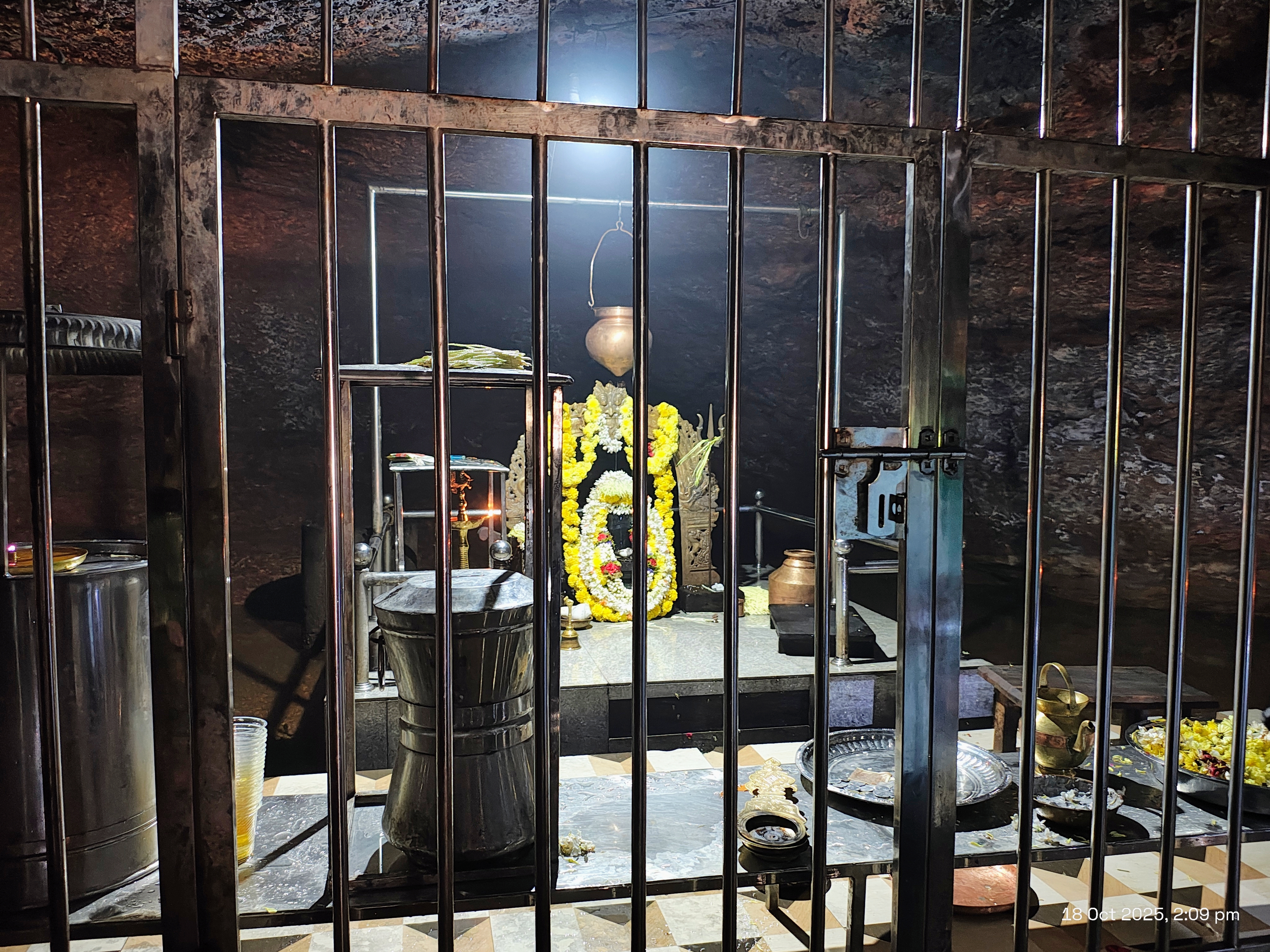
Sri Keshavanatheshwara Temple at Moodugallu is one of the most unusual temples in the Byndoor region. Hidden in the forested landscape of Keradi, the shrine is built around a natural cave where devotees enter through shallow, cool water to reach the Shiva shrine inside.
The setting itself makes the temple memorable. There is no large gopuram or expansive temple complex here. Instead, the shrine sits among rocks and greenery, and the most important part of the temple is hidden beneath the natural rock formation.
The presiding deity is Sri Keshavanatheshwara, worshipped as Lord Shiva.
The sanctum is located inside a naturally formed cave. Water flows through the cave and forms a shallow pool around the shrine. Visitors traditionally walk through this water to reach the deity.
The cave is fairly broad inside, with the rock formation creating a natural roof and walls around the shrine. The cool water and dim surroundings give the temple a completely different atmosphere from an ordinary Shiva temple.
The most unusual part of the visit is the walk through the water inside the cave.
The water is generally around ankle- to knee-deep, depending on the season, and small fish can be seen swimming around the visitors' feet. The water comes from a natural spring within the rocky surroundings and is traditionally regarded as sacred.
The water level is known locally for remaining relatively steady through much of the year, although it can rise during periods of heavy rain.
This combination of cave, flowing water, fish and Shiva worship is what makes Moodugallu different from other temples in the Byndoor region.
The shrine is traditionally associated with two Shiva Lingas.
One is the principal Linga worshipped at the temple, while another is regarded by devotees as a swayambhu, or naturally manifested Linga, associated with the spring water inside the cave.
The natural setting makes it difficult to separate the temple from the surrounding rock and water. The cave itself forms an important part of the sacred experience.
Moodugallu lies away from the busy coastal belt. The journey towards the temple takes you through the green interior of Keradi, where plantations, forest patches, rocky terrain and small village roads gradually replace the more familiar coastal scenery.
The temple is surrounded by the wider Western Ghats landscape, and the quietness of the location adds considerably to the experience.
For someone visiting from the Byndoor coast, it feels like entering a completely different part of the region.
Several stories are associated with the origin of the cave and the presence of Lord Shiva here. One local tradition tells of a farmer who followed a cow into the cave and later experienced a divine occurrence that led to the shrine becoming an important place of worship. Other traditions connect the cave with the presence or journey of Lord Shiva.
These stories form part of the local temple tradition and are best understood as sacred legends passed down through the community.
The small fish living in the cave's water have become one of the memorable features of a visit.
As devotees walk through the shallow water, the fish move around their feet. This is a natural part of the cave environment and adds to the unusual experience of reaching the shrine.
The combination of cool spring water and the enclosed rock surroundings also makes the cave noticeably cooler than the outside environment, particularly during hot weather.
Moodugallu is not just about the cave. The approach itself takes visitors through the Keradi countryside and Western Ghats foothills.
The area is particularly green during and after the monsoon. The forest and rocky surroundings also make the journey interesting for visitors who enjoy nature and photography.
Because this is a natural forest environment, visitors should keep the surroundings clean and avoid disturbing wildlife or vegetation.
The cave floor is naturally wet, so visitors should be prepared to walk through water without footwear after leaving their footwear outside the shrine.
The rocks can become slippery, especially during the rainy season. It is better to walk slowly and use care while entering and leaving the cave.
The interior can also be dim, although lighting arrangements are now available in parts of the shrine.
Moodugallu can be visited throughout much of the year, but the surrounding landscape is especially beautiful during the monsoon and post-monsoon months.
During heavy rain, the approach roads can become muddy and slippery, so visitors should allow extra travel time and take care on the final stretch.
The drier months can make the journey easier, while the cool water inside the cave provides a refreshing contrast to the outside heat.
Moodugallu is still much quieter than the major pilgrimage destinations around Kollur. That gives visitors an opportunity to experience a small local shrine in a natural setting, rather than a large temple complex designed around large crowds.
Its location also makes it interesting for travellers exploring the lesser-known attractions around Keradi, Kamalashile and Kollur.
The uniqueness of Moodugallu comes from the way nature and worship are inseparable.
The deity is inside a natural cave. The cave contains flowing spring water. Fish live in that water. Devotees walk through the water to reach the Shiva shrine. Around the temple, the forested landscape of the Western Ghats provides a quiet setting.
That combination makes Keshavanatheshwara Cave Temple one of the most distinctive hidden spiritual destinations around Byndoor—a place where the temple is not simply built within nature, but seems to form a part of the natural rock and water itself.
ಮೂಡುಗಲ್ಲು ಶ್ರೀ ಕೇಶವನಾಥೇಶ್ವರ ದೇವಸ್ಥಾನ
ಬೈಂದೂರು ತಾಲೂಕಿನ ಕೆರಾಡಿ ಭಾಗದ ಮೂಡುಗಲ್ಲಿನಲ್ಲಿ ಇರುವ ಶ್ರೀ ಕೇಶವನಾಥೇಶ್ವರ ದೇವಸ್ಥಾನ ಸಾಮಾನ್ಯವಾಗಿ ಕಾಣುವ ಶಿವಾಲಯಗಳಿಗಿಂತ ಸಂಪೂರ್ಣ ವಿಭಿನ್ನ. ದೇವರ ಸನ್ನಿಧಿಯೇ ಒಂದು ನೈಸರ್ಗಿಕ ಗುಹೆಯೊಳಗಿದ್ದು, ಆ ಗುಹೆಯೊಳಗೆ ಸದಾ ನೀರು ಇರುವುದೇ ಈ ಕ್ಷೇತ್ರದ ಪ್ರಮುಖ ವಿಶೇಷತೆ.
ಕಾಡು ಮತ್ತು ಕಲ್ಲಿನ ಬೆಟ್ಟಗಳ ನಡುವೆ ಇರುವ ಈ ಗುಹಾಂತರ ದೇವಾಲಯಕ್ಕೆ ಕಾಲಿಟ್ಟ ತಕ್ಷಣವೇ ಇಲ್ಲಿನ ವಾತಾವರಣ ಬದಲಾಗುತ್ತದೆ. ಹೊರಗಿನ ಬಿಸಿಲಿನಿಂದ ಒಳಗೆ ಬಂದಾಗ ತಂಪಾದ ನೀರು ಮತ್ತು ಗುಹೆಯ ನೈಸರ್ಗಿಕ ಕಲ್ಲಿನ ರಚನೆ ಎದುರಾಗುತ್ತದೆ. ಮಂಡಿಯಷ್ಟು ನೀರಿನೊಳಗೆ ನಡೆದು ಮುಂದೆ ಸಾಗಿದಾಗ ಶ್ರೀ ಕೇಶವನಾಥೇಶ್ವರನ ಸನ್ನಿಧಿ ಕಾಣಿಸುತ್ತದೆ. ಗುಹೆಯೊಳಗಿನ ನೀರಿನಲ್ಲಿ ಮೀನುಗಳು ಈಜುತ್ತಿರುವುದು ಈ ದೇವಾಲಯದ ಮತ್ತೊಂದು ವಿಶೇಷ ದೃಶ್ಯ.
ಈ ಕ್ಷೇತ್ರದ ಪ್ರಮುಖ ಆಕರ್ಷಣೆ ನೈಸರ್ಗಿಕ ಗುಹೆಯೊಳಗೆ ಇರುವ ಶಿವಲಿಂಗ. ಸುಮಾರು 40–50 ಅಡಿ ವಿಸ್ತಾರ ಹೊಂದಿರುವ ಈ ಗುಹೆಯ ಒಳಭಾಗದಲ್ಲಿ ನೀರು ತುಂಬಿಕೊಂಡಿರುತ್ತದೆ. ನೀರಿನ ಮಧ್ಯದಲ್ಲಿರುವ ಸ್ವಯಂಭೂ ಲಿಂಗವೇ ಕ್ಷೇತ್ರದ ಪ್ರಮುಖ ಆರಾಧ್ಯ ದೈವ.
ಗುಹೆಯೊಳಗೆ ನೀರಿನಲ್ಲೇ ನಡೆದು ದೇವರ ಸನ್ನಿಧಿಗೆ ತಲುಪುವುದು ಇಲ್ಲಿನ ವಿಶೇಷ ಅನುಭವ. ಸಾಮಾನ್ಯ ದೇವಾಲಯದಲ್ಲಿ ಗರ್ಭಗುಡಿಯವರೆಗೆ ಕಲ್ಲಿನ ನೆಲದ ಮೇಲೆ ನಡೆದು ಹೋಗುತ್ತೇವೆ. ಆದರೆ ಇಲ್ಲಿ ಪ್ರಕೃತಿಯೇ ರೂಪಿಸಿರುವ ಗುಹೆಯೊಳಗಿನ ನೀರಿನ ಮೂಲಕ ಸಾಗಬೇಕು. ಇದೇ ಕಾರಣಕ್ಕೆ ಮೂಡುಗಲ್ಲು ಕೇಶವನಾಥೇಶ್ವರ ದೇವಸ್ಥಾನಕ್ಕೆ ವಿಶೇಷವಾದ ಗುರುತು ಬಂದಿದೆ.
ಗುಹೆಯೊಳಗಿನ ನೀರು ಈ ಕ್ಷೇತ್ರದ ಮತ್ತೊಂದು ಅಚ್ಚರಿ. ಬೇಸಿಗೆಯಲ್ಲಿಯೂ ಗುಹೆಯ ನೀರು ಸಂಪೂರ್ಣವಾಗಿ ಬತ್ತುವುದಿಲ್ಲ. ಮಳೆಗಾಲದಲ್ಲಿ ನೀರಿನ ಮಟ್ಟ ಸ್ವಲ್ಪ ಹೆಚ್ಚಾಗುತ್ತದೆ.
ನೀರಿನೊಳಗೆ ಸಣ್ಣ ಮೀನುಗಳು ಕಾಣಿಸುತ್ತವೆ. ದೇವರ ಪೂಜೆಯ ನಂತರ ಮೀನುಗಳಿಗೆ ಆಹಾರ ನೀಡುವ ಸಂಪ್ರದಾಯವೂ ಇಲ್ಲಿ ಇದೆ. ಭಕ್ತರು ನೀರಿನೊಳಗೆ ನಡೆದು ಮುಂದೆ ಸಾಗುವಾಗ ಕಾಲಿನ ಸುತ್ತ ಮೀನುಗಳು ಈಜುವುದು ಈ ಗುಹಾ ದೇವಾಲಯದ ವಿಶಿಷ್ಟ ಅನುಭವಗಳಲ್ಲಿ ಒಂದು.
ಗುಹೆಯೊಳಗೆ ಸ್ವಯಂಭೂ ಲಿಂಗದ ಜೊತೆಗೆ ಪೂಜಿಸಲ್ಪಡುವ ಮತ್ತೊಂದು ಕೇಶವನಾಥೇಶ್ವರನ ವಿಗ್ರಹವೂ ಇದೆ. ನೀರಿನ ಮಧ್ಯದಲ್ಲಿರುವ ಸ್ವಯಂಭೂ ಲಿಂಗವೇ ಈ ಕ್ಷೇತ್ರದ ಪುರಾತನ ಆರಾಧನೆಯ ಪ್ರಮುಖ ಕೇಂದ್ರ.
ಸ್ವಯಂಭೂ ಲಿಂಗವು ನೀರಿನೊಳಗೆ ಇರುವುದರಿಂದ ಭಕ್ತರು ಹತ್ತಿರದಿಂದ ದರ್ಶನ ಪಡೆಯಲು ಸಾಧ್ಯವಾಗುತ್ತದೆ. ಈ ರೀತಿಯ ಜಲಾವೃತ ಗುಹೆಯೊಳಗಿನ ಶಿವಸನ್ನಿಧಿ ಈ ಪ್ರದೇಶದ ಇತರ ದೇವಾಲಯಗಳಿಗಿಂತ ಮೂಡುಗಲ್ಲನ್ನು ವಿಭಿನ್ನವಾಗಿಸುತ್ತದೆ.
ಮೂಡುಗಲ್ಲು ಕೇಶವನಾಥೇಶ್ವರ ದೇವಾಲಯದ ನಿಖರ ನಿರ್ಮಾಣ ಕಾಲದ ಬಗ್ಗೆ ಸ್ಪಷ್ಟವಾದ ಐತಿಹಾಸಿಕ ದಾಖಲೆಗಳು ಲಭ್ಯವಿಲ್ಲ. ದೇವಾಲಯದ ಇಂದಿನ ರೂಪಕ್ಕಿಂತಲೂ ಮುಖ್ಯವಾಗಿ, ನೈಸರ್ಗಿಕ ಗುಹೆಯೇ ಈ ಕ್ಷೇತ್ರದ ಮೂಲ ಸನ್ನಿಧಿಯಾಗಿರುವುದು ಗಮನಾರ್ಹ.
ಹೀಗಾಗಿ ಈ ಕ್ಷೇತ್ರದ ಪುರಾತನತೆಯನ್ನು ನಿರ್ದಿಷ್ಟ ರಾಜವಂಶ ಅಥವಾ ಒಂದು ಕಾಲಘಟ್ಟಕ್ಕೆ ಸೇರಿಸುವುದಕ್ಕಿಂತ, ಹಲವು ತಲೆಮಾರುಗಳಿಂದ ಇಲ್ಲಿ ನಡೆಯುತ್ತಿರುವ ಶಿವಾರಾಧನೆಯ ಕ್ಷೇತ್ರವೆಂದು ನೋಡುವುದು ಸೂಕ್ತ.
ಮೂಡುಗಲ್ಲು ಕೇಶವನಾಥೇಶ್ವರ ಕ್ಷೇತ್ರಕ್ಕೆ ಒಂದು ಕುತೂಹಲಕಾರಿ ಸ್ಥಳಪುರಾಣವೂ ಇದೆ.
ಹಿಂದೆ ಇಲ್ಲಿನ ಹೊಲಗಳಿಗೆ ಯಾವುದೋ ಪ್ರಾಣಿ ಬಂದು ಬೆಳೆ ಹಾನಿ ಮಾಡುತ್ತಿತ್ತು. ಅದನ್ನು ಪತ್ತೆಹಚ್ಚಲು ಹೊಲದ ಮಾಲೀಕರು ರಾತ್ರಿ ಕಾವಲು ಕಾಯುತ್ತಿದ್ದಾಗ, ಒಂದು ಹಸು ಹೊಲದ ಕಡೆಗೆ ಬರುವುದನ್ನು ಕಂಡರು. ಅದನ್ನು ಹಿಂಬಾಲಿಸಿದಾಗ ಹಸು ಈ ಗುಹೆಯೊಳಗೆ ಪ್ರವೇಶಿಸಿತು. ಅದರ ಹಿಂದೆ ಹೋದ ಮಾಲೀಕರಿಗೆ ಗುಹೆಯೊಳಗೆ ಹಸು ಕಾಣದೆ ಹೋಯಿತು.
ಕತ್ತಲೆಯ ಗುಹೆಯಲ್ಲಿ ದಾರಿ ಸಿಗದೆ ಶಿವನನ್ನು ಸ್ಮರಿಸಿದಾಗ ಹೊರಭಾಗದಿಂದ ಒಂದು ಸಣ್ಣ ಬೆಳಕಿನ ಕಿರಣ ಕಾಣಿಸಿಕೊಂಡಿತು. ಆ ಬೆಳಕನ್ನು ಅನುಸರಿಸಿ ಅವರು ಗುಹೆಯಿಂದ ಹೊರಬಂದರು ಎಂಬುದು ಕ್ಷೇತ್ರದ ಸ್ಥಳಪುರಾಣ.
ಆ ಅನುಭವದ ನಂತರ ಆ ಭೂಮಿಯನ್ನು ಕೇಶವನಾಥೇಶ್ವರನಿಗೆ ಅರ್ಪಿಸಲಾಯಿತು ಎಂಬ ಕಥೆ ಇಲ್ಲಿನ ಪರಂಪರೆಯಲ್ಲಿ ಹೇಳಲಾಗುತ್ತದೆ. ಇದು ಸ್ಥಳಪುರಾಣ, ಐತಿಹಾಸಿಕ ದಾಖಲೆ ಎಂದು ಪರಿಗಣಿಸಬಾರದು.
ಮೂಡುಗಲ್ಲಿನ ಗುಹೆಯ ನೀರಿನ ಬಗ್ಗೆ ಮತ್ತೊಂದು ಸ್ಥಳೀಯ ನಂಬಿಕೆ ಇದೆ. ಗುಹೆಯೊಳಗಿನ ನೀರು ಕಾಶಿ ಮತ್ತು ರಾಮೇಶ್ವರದಿಂದ ಭೂಗರ್ಭದ ಮಾರ್ಗವಾಗಿ ಬರುತ್ತದೆ ಎಂಬ ಪ್ರತೀತಿ ಇದೆ.
ಇದೇ ಗುಹೆಯ ಮೂಲಕ ಶಿವನು ಕಾಶಿಗೆ ತೆರಳಿದನೆಂಬ ನಂಬಿಕೆಯೂ ಕ್ಷೇತ್ರದ ಸ್ಥಳಪುರಾಣದಲ್ಲಿ ಕಂಡುಬರುತ್ತದೆ. ಹಲವು ಋಷಿ–ಮುನಿಗಳು ಇಲ್ಲಿ ತಪಸ್ಸು ಮಾಡಿದ್ದರು ಎಂಬ ನಂಬಿಕೆಯೂ ಇದೆ. ಇವು ಕ್ಷೇತ್ರದ ಧಾರ್ಮಿಕ ಪರಂಪರೆಯ ಭಾಗವಾಗಿದ್ದು, ಮೂಡುಗಲ್ಲು ಗುಹೆಗೆ ವಿಶೇಷ ಆಧ್ಯಾತ್ಮಿಕ ಸ್ಥಾನ ನೀಡಿವೆ.
ಗುಹೆಯೊಳಗಿನ ಕೇಶವನಾಥೇಶ್ವರನ ಸನ್ನಿಧಿಯ ಮುಂದೆ ನಂದಿಯೂ ಇದೆ. ನಂದಿಯ ಕಿವಿಯಲ್ಲಿ ತಮ್ಮ ಮನದ ಆಸೆಯನ್ನು ಹೇಳಿಕೊಂಡರೆ ಅದು ಶಿವನಿಗೆ ತಲುಪುತ್ತದೆ ಎಂಬ ಭಕ್ತಿಯ ನಂಬಿಕೆ ಇಲ್ಲಿದೆ.
ಸನ್ನಿಧಿಯ ಸಮೀಪ ಚಂಡಿಕೇಶ್ವರನ ಲಿಂಗವೂ ಇದೆ. ಶಿವಾಲಯದ ಸಂಪ್ರದಾಯದಂತೆ ಚಂಡಿಕೇಶ್ವರನಿಗೆ ತಮ್ಮ ಗಮನ ಸೆಳೆಯಲು ಚಪ್ಪಾಳೆ ತಟ್ಟುವುದು ಅಥವಾ ಚಿಟಿಕೆ ಹೊಡೆಯುವುದು ಇಲ್ಲಿನ ಆಚರಣೆಯ ಒಂದು ಭಾಗವಾಗಿದೆ.
ಮೂಡುಗಲ್ಲು ಕೇಶವನಾಥೇಶ್ವರ ದೇವಸ್ಥಾನದ ಪ್ರಮುಖ ವಾರ್ಷಿಕ ಆಚರಣೆಗಳಲ್ಲಿ ಎಳ್ಳಮಾವಾಸ್ಯೆ ವಿಶೇಷ ಸ್ಥಾನ ಹೊಂದಿದೆ. ಆ ದಿನ ಇಲ್ಲಿ ಜಾತ್ರೆಯ ವಾತಾವರಣ ನಿರ್ಮಾಣವಾಗುತ್ತದೆ.
ವಿಶೇಷ ಪೂಜೆ, ಧಾರ್ಮಿಕ ಕಾರ್ಯಕ್ರಮಗಳು ಮತ್ತು ಅನ್ನಸಂತರ್ಪಣೆಯ ಜೊತೆಗೆ ಸುತ್ತಮುತ್ತಲಿನ ಊರುಗಳಿಂದ ಹಾಗೂ ದೂರದ ಪ್ರದೇಶಗಳಿಂದಲೂ ಭಕ್ತರು ಆಗಮಿಸುತ್ತಾರೆ. ಎಳ್ಳಮಾವಾಸ್ಯೆಯ ದಿನ ಸಮೀಪದ ಮೇಳ್ಯ ಕೆರೆಯಲ್ಲಿ ಸ್ನಾನ ಮಾಡಿ ನಂತರ ಕೇಶವನಾಥೇಶ್ವರನ ದರ್ಶನ ಪಡೆಯುವ ಸಂಪ್ರದಾಯವೂ ಕ್ಷೇತ್ರದ ಆಚರಣೆಯ ಭಾಗವಾಗಿದೆ.
ಮಹಾಶಿವರಾತ್ರಿಯೂ ಇಲ್ಲಿ ವಿಶೇಷವಾಗಿ ಆಚರಿಸಲಾಗುತ್ತದೆ. ಇಂತಹ ಉತ್ಸವಗಳ ಸಂದರ್ಭದಲ್ಲಿ ಸಾಮಾನ್ಯ ದಿನಗಳಿಗಿಂತ ಕ್ಷೇತ್ರದಲ್ಲಿ ಹೆಚ್ಚಿನ ಚಟುವಟಿಕೆ ಕಾಣಿಸುತ್ತದೆ.
ಮೂಡುಗಲ್ಲು ದೇವಸ್ಥಾನದ ವಿಶೇಷತೆ ಗುಹೆಯೊಳಗೆ ಮಾತ್ರ ಸೀಮಿತವಾಗಿಲ್ಲ. ದೇವಸ್ಥಾನಕ್ಕೆ ಸಾಗುವ ಸುತ್ತಮುತ್ತಲಿನ ಪ್ರದೇಶವೂ ದಟ್ಟ ಹಸಿರು ಮತ್ತು ಕಲ್ಲಿನ ಭೂಪ್ರದೇಶದಿಂದ ಕೂಡಿದೆ.
ಕೆರಾಡಿ ಭಾಗದಿಂದ ಮೂಡುಗಲ್ಲಿನ ಕಡೆಗೆ ಸಾಗುವಾಗ ನಿಧಾನವಾಗಿ ಕಾಡಿನ ಸ್ವರೂಪ ಹೆಚ್ಚಾಗುತ್ತದೆ. ಮಳೆಗಾಲದಲ್ಲಿ ದಾರಿ, ಕಲ್ಲು ಮತ್ತು ಸುತ್ತಲಿನ ಸಸ್ಯವರ್ಗ ಎಲ್ಲವೂ ಹಸಿರಿನಿಂದ ತುಂಬುತ್ತವೆ.
ಈ ಕಾರಣದಿಂದ ಮೂಡುಗಲ್ಲು ಕೇಶವನಾಥೇಶ್ವರ ಕ್ಷೇತ್ರದಲ್ಲಿ ದೇವರ ದರ್ಶನ ಮತ್ತು ಪ್ರಕೃತಿಯ ಅನುಭವ ಎರಡೂ ಒಂದೇ ಪ್ರವಾಸದಲ್ಲಿ ಸಿಗುತ್ತವೆ.
ಮೂಡುಗಲ್ಲು ಕೇಶವನಾಥೇಶ್ವರ ದೇವಸ್ಥಾನವನ್ನು ವಿಶೇಷವಾಗಿಸುವುದು ಅದರ ಪುರಾತನತೆ ಮಾತ್ರವಲ್ಲ. ನೈಸರ್ಗಿಕ ಗುಹೆಯೊಳಗಿನ ಜಲಾವೃತ ಶಿವಸನ್ನಿಧಿ, ನೀರಿನೊಳಗೆ ನಡೆದು ಪಡೆಯುವ ದರ್ಶನ, ಗುಹೆಯಲ್ಲಿರುವ ಮೀನುಗಳು, ಸ್ವಯಂಭೂ ಲಿಂಗ, ಸ್ಥಳಪುರಾಣ ಮತ್ತು ಎಳ್ಳಮಾವಾಸ್ಯೆಯ ಜಾತ್ರೆ — ಇವೆಲ್ಲವೂ ಸೇರಿ ಈ ಕ್ಷೇತ್ರಕ್ಕೆ ತನ್ನದೇ ಆದ ಗುರುತನ್ನು ನೀಡುತ್ತವೆ.
ಬೈಂದೂರು ತಾಲೂಕಿನ ದೇವಾಲಯಗಳಲ್ಲಿ ಮೂಡುಗಲ್ಲು ಕೇಶವನಾಥೇಶ್ವರ ಒಂದು ಅಪರೂಪದ ಅನುಭವ. ಇಲ್ಲಿ ದೇವಾಲಯವನ್ನು ನೋಡಲು ಮಾತ್ರ ಹೋಗುವುದಿಲ್ಲ; ಒಂದು ನೈಸರ್ಗಿಕ ಗುಹೆಯೊಳಗೆ ಪ್ರವೇಶಿಸಿ, ನೀರಿನ ಮಧ್ಯೆ ಇರುವ ಶಿವಸನ್ನಿಧಿಯನ್ನು ದರ್ಶಿಸುವ ಅನುಭವವೇ ಈ ಕ್ಷೇತ್ರದ ಮುಖ್ಯ ಆಕರ್ಷಣೆ.
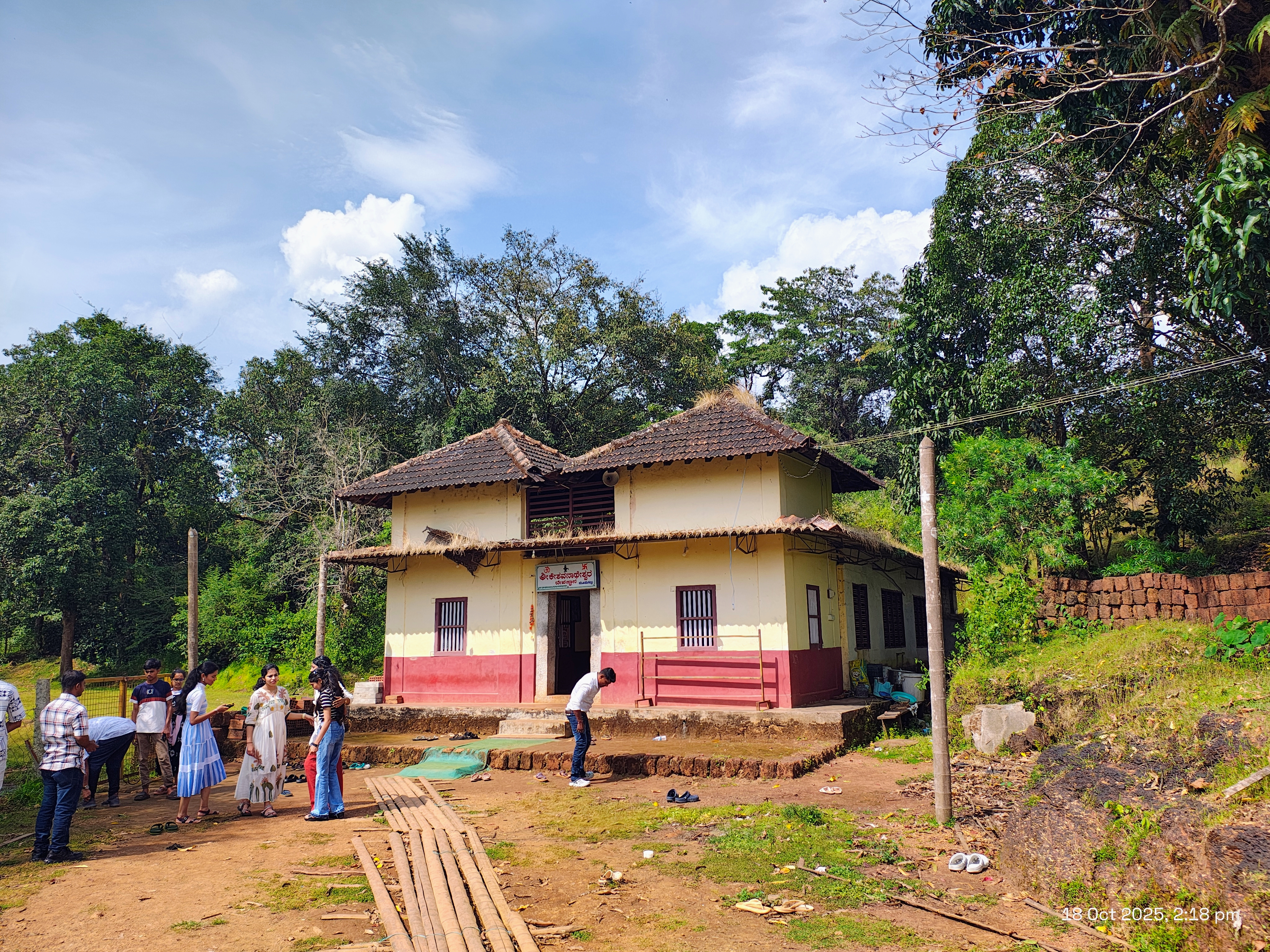
🚆 By train: Nearest Railway station Kundapura Railway Station about 37km.
✈️ By air: Mangalore International Airport about 126km
October – January (post-monsoon): Good time to visit
June – September (monsoon): Slippery muddy road makes driving worse at last 3km
February – May (summer): Good time to visit
In short: Can visit any season of year but last 3km road condition during rainy season will be bad
| Mobile network | Very limited |
|---|---|
| Nearest ATM | Maranakatte |
| Restrooms | Available |
Places usually visited on the same trip.