Nestled in the lush, serene landscapes of the Western Ghats near the Kubja River, the Kamalashile Temple is an ancient spiritual sanctum that feels woven into the forest itself. The temple is renowned for its unique natural linga form of the Goddess, housed in a sacred subterranean cave area within the shrine. Unlike the sprawling urban temple complexes of Karnataka, this site maintains a profound, rustic sanctity, with the cool, crystalline waters of the Kubja River flowing nearby, providing a tranquil atmosphere that invites deep contemplation. The architecture is a beautiful reflection of traditional coastal heritage, blending seamlessly with the surrounding green hills and the rhythmic flow of the river, making it a place where nature and divinity feel truly inseparable.
ಉಡುಪಿ ಜಿಲ್ಲೆಯ ಕುಂದಾಪುರ ತಾಲ್ಲೂಕಿನ ಬೈಂದೂರು ಗಡಿಯಲ್ಲಿರುವ ಪ್ರಸಿದ್ಧ ಪವಿತ್ರ ಕ್ಷೇತ್ರಗಳಲ್ಲಿ ಒಂದಾದ ಕಮಲಶಿಲೆಯ ಶ್ರೀ ಬ್ರಾಹ್ಮಿ ದುರ್ಗಾಪರಮೇಶ್ವರಿ ದೇವಸ್ಥಾನವು ಕರಾವಳಿಯ ಅತ್ಯಂತ ಹಳೆಯ ಹಾಗೂ ಪೂಜನೀಯ ಶಕ್ತಿಪೀಠಗಳಲ್ಲಿ ಒಂದಾಗಿದೆ. ಇಲ್ಲಿಯ ಮುಖ್ಯ ವಿಶೇಷತೆಯೆಂದರೆ, ಗರ್ಭಗುಡಿಯಲ್ಲಿ ಸಾಂಪ್ರದಾಯಿಕ ವಿಗ್ರಹದ ಬದಲಾಗಿ ಪ್ರಾಕೃತಿಕವಾಗಿ ರೂಪುಗೊಂಡ ನೈಸರ್ಗಿಕ ಲಿಂಗರೂಪಿ ಸಾಲಿಗ್ರಾಮ ಶಿಲೆಯನ್ನು 'ಶ್ರೀ ಬ್ರಾಹ್ಮಿ ದುರ್ಗಾಪರಮೇಶ್ವರಿ'ಯಾಗಿ ಆರಾಧಿಸಲಾಗುತ್ತದೆ. ಈ ಕ್ಷೇತ್ರವು ಕುಬ್ಜಾ ನದಿಯ ತಟದಲ್ಲಿ, ದಟ್ಟವಾದ ಹಸಿರು ಕಾಡು ಹಾಗೂ ಪಶ್ಚಿಮ ಘಟ್ಟದ ಬೆಟ್ಟಗಳ ಸಾಲಿನ ಮಧ್ಯೆ ನೆಲೆಗೊಂಡಿರುವುದು ಇದರ ಧಾರ್ಮಿಕ ಮತ್ತು ಪ್ರಾಕೃತಿಕ ಮಹತ್ವವನ್ನು ಮತ್ತಷ್ಟು ಹೆಚ್ಚಿಸಿದೆ.
ಐತಿಹಾಸಿಕ ಹಾಗೂ ಪೌರಾಣಿಕ ಹಿನ್ನೆಲೆಯ ಪ್ರಕಾರ, ಬ್ರಹ್ಮ, ವಿಷ್ಣು ಮತ್ತು ಮಹೇಶ್ವರರ ಶಕ್ತಿ ಒಂದಾಗಿ ಇಲ್ಲಿ ದುರ್ಗಾಪರಮೇಶ್ವರಿಯಾಗಿ ನೆಲೆಸಿದ್ದಾಳೆ ಎಂಬ ನಂಬಿಕೆಯಿದೆ. ದೇವಾಲಯದ ಸುತ್ತಲೂ ಹರಿಯುವ ಪವಿತ್ರ ಕುಬ್ಜಾ ನದಿಯಲ್ಲಿ ಸ್ನಾನ ಮಾಡಿ ದೇವರ ದರ್ಶನ ಪಡೆಯುವುದು ಇಲ್ಲಿನ ವಿಶೇಷ ಧಾರ್ಮಿಕ ಆಚರಣೆಯಾಗಿದೆ. ನವರಾತ್ರಿ ಉತ್ಸವ ಹಾಗೂ ವಾರ್ಷಿಕ ಜಾತ್ರೆಯ ಸಂದರ್ಭದಲ್ಲಿ ಈ ಕ್ಷೇತ್ರಕ್ಕೆ ರಾಜ್ಯದ ಮೂಲೆ ಮೂಲೆಗಳಿಂದ ಲಕ್ಷಾಂತರ ಭಕ್ತರು ಆಗಮಿಸಿ ದೇವಿಯ ದರ್ಶನ ಪಡೆದು ಧನ್ಯರಾಗುತ್ತಾರೆ.
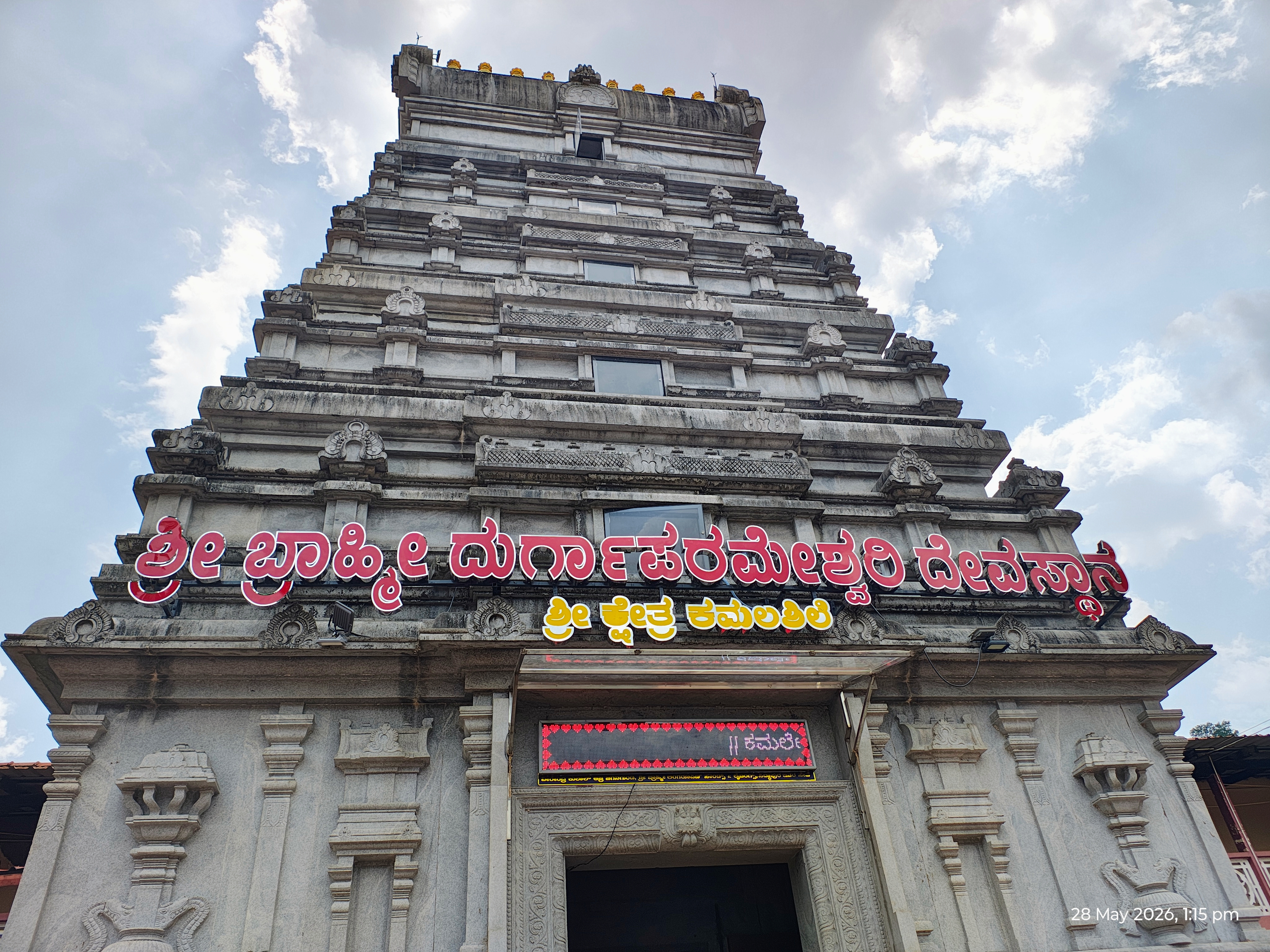
Sri Brahmi Durgaparameshwari Temple at Kamalashile is a distinctive Shakti shrine in the Kundapura region of Udupi district. The temple is set beside the Kubja River, surrounded by forested hills and the Western Ghats, giving the pilgrimage a particularly tranquil natural setting.
What makes Kamalashile especially interesting is the form in which the Goddess is worshipped. Here, Brahmi Durgaparameshwari is revered in the form of a Linga, rather than through the more familiar standing or seated image of Goddess Durga. Temple tradition associates this sacred form with the combined powers of Mahakali, Mahalakshmi and Mahasaraswati.
The traditional story of Kamalashile is connected with the sages who lived in the forests around the Kubja River.
According to the sthala purana, the region was troubled by powerful demons, traditionally identified as Kharatasura and Raktasura in some accounts. The sages sought the protection of the Divine Mother, who appeared and destroyed the forces threatening them.
After defeating the demons, the Goddess is believed to have remained at Kamalashile in Linga form, answering the prayers of the sages. This tradition is central to understanding why the temple's principal deity has such an unusual form.
There are also traditions connecting the sacred site with Raikva Maharishi and his ashram, placing the origin of the shrine within the ancient forest landscape of the Sahyadri region.
The name itself is traditionally associated with the sacred stone at the heart of the shrine.
Kamala means lotus, while shile/shila refers to stone. Local tradition connects the name with a naturally distinctive stone associated with the Goddess and the sacred site.
This gives the name Kamalashile a symbolic quality: a sacred place where the softness associated with the lotus and the permanence of stone come together.
The Kubja River is an important part of Kamalashile's identity.
The temple sits directly within the river landscape, and local tradition gives the river a sacred relationship with the Goddess. One of the most striking beliefs concerns the river's seasonal rise: during a particular period of the year, devotees traditionally associate the increased water level with the river approaching the temple and offering its waters to the Goddess.
Whether experienced as religious belief or as part of the area's natural seasonal cycle, the relationship between the river and shrine adds a memorable dimension to a visit.
The name Brahmi Durgaparameshwari reflects the temple's distinctive Shakti tradition.
The sacred Linga is traditionally understood as bringing together the powers represented by:
Mahakali — strength and protection
Mahalakshmi — prosperity and auspiciousness
Mahasaraswati — knowledge and wisdom
This gives Kamalashile a character different from a conventional Durga temple. The Goddess is understood through a combined Shakti principle, represented through the Linga.
The natural landscape around Kamalashile contains another place of religious interest: Kamalashile Suparshva Cave Temple.
Local tradition associates the cave with King Suparashwa, who is believed to have performed penance there. Stories of sages and spiritual practitioners meditating in the surrounding forests have contributed to the area's reputation as a place of solitude and spiritual practice.
For visitors, this makes Kamalashile more than a single temple building—the surrounding hills, river and caves form part of the wider sacred landscape.
The temple follows a traditional Vijaya-Agama style of worship. Sources describing the temple's ritual practice record multiple daily worship periods, beginning in the early morning and continuing through the evening.
Among the important offerings associated with the shrine are Chandika-related rituals and homas, which attract devotees from different parts of the region.
The annual Kamalashile Jathre is another important occasion, bringing the local community and visiting devotees together around the temple.
The strongest identity of this destination lies in its unusual combination of religious and geographical features:
For visitors travelling through the Kundapura–Kollur region, Kamalashile offers a quieter pilgrimage experience where the temple and surrounding landscape are closely connected.
ಶ್ರೀ ಕ್ಷೇತ್ರ ಕಮಲಶಿಲೆ ಬ್ರಾಹ್ಮೀ ದುರ್ಗಾಪರಮೇಶ್ವರಿ ದೇವಸ್ಥಾನ
ಉಡುಪಿ ಜಿಲ್ಲೆಯ ಕುಂದಾಪುರ ತಾಲೂಕಿನ ಪಶ್ಚಿಮ ಘಟ್ಟಗಳ ತಪ್ಪಲಿನಲ್ಲಿ ನೆಲೆಗೊಂಡಿರುವ ಕಮಲಶಿಲೆ ಶ್ರೀ ಬ್ರಾಹ್ಮೀ ದುರ್ಗಾಪರಮೇಶ್ವರಿ ದೇವಸ್ಥಾನವು ಕರಾವಳಿ ಕರ್ನಾಟಕದ ಪುರಾತನ ಶಕ್ತಿಕ್ಷೇತ್ರಗಳಲ್ಲಿ ಒಂದು. ದಟ್ಟವಾದ ಕಾಡು, ಕಲ್ಲಿನ ಬೆಟ್ಟಗಳು ಮತ್ತು ಕುಬ್ಜಾ ನದಿಯ ಸಾನ್ನಿಧ್ಯದ ನಡುವೆ ಇರುವ ಈ ಕ್ಷೇತ್ರಕ್ಕೆ ತನ್ನದೇ ಆದ ಪುರಾಣ, ಆರಾಧನಾ ಪರಂಪರೆ ಮತ್ತು ನೈಸರ್ಗಿಕ ವೈಶಿಷ್ಟ್ಯವಿದೆ.
ಕಮಲಶಿಲೆಯ ವಿಶೇಷತೆಯನ್ನು ಅರ್ಥಮಾಡಿಕೊಳ್ಳಲು ದೇವಾಲಯದ ಕಟ್ಟಡಕ್ಕಿಂತ ಮೊದಲು ಅದರ ಸ್ಥಳಪುರಾಣವನ್ನು ತಿಳಿದುಕೊಳ್ಳಬೇಕು. ದೇವಿಯ ಆರಾಧನೆ, ಋಷಿಗಳ ತಪಸ್ಸು, ರಾಕ್ಷಸ ಸಂಹಾರ ಮತ್ತು ಕಮಲದೊಂದಿಗೆ ಸಂಬಂಧಿಸಿದ ಕ್ಷೇತ್ರದ ಹೆಸರು—ಇವೆಲ್ಲವೂ ಕಮಲಶಿಲೆಯ ಕಥೆಯನ್ನು ರೂಪಿಸುತ್ತವೆ.
‘ಕಮಲಶಿಲೆ’ ಎಂಬ ಹೆಸರಿನಲ್ಲೇ ಈ ಕ್ಷೇತ್ರದ ಒಂದು ಪೌರಾಣಿಕ ಗುರುತು ಅಡಗಿದೆ.
ಸ್ಥಳೀಯ ಕ್ಷೇತ್ರಪರಂಪರೆಯ ಪ್ರಕಾರ, ಇಲ್ಲಿ ಕಮಲದೊಂದಿಗೆ ಸಂಬಂಧಿಸಿದ ಪವಿತ್ರ ಶಿಲೆ ಇದ್ದುದರಿಂದ ಈ ಸ್ಥಳಕ್ಕೆ ಕಮಲಶಿಲೆ ಎಂಬ ಹೆಸರು ಬಂದಿದೆ ಎಂದು ನಂಬಲಾಗುತ್ತದೆ. ಈ ಪ್ರದೇಶದ ದೇವತಾ ಆರಾಧನೆ ಮತ್ತು ನೈಸರ್ಗಿಕ ಪರಿಸರದೊಂದಿಗೆ ಈ ಹೆಸರಿನ ಸಂಬಂಧವನ್ನು ಸ್ಥಳೀಯ ಪರಂಪರೆ ವಿವರಿಸುತ್ತದೆ.
ಕಮಲವು ಭಾರತೀಯ ಧಾರ್ಮಿಕ ಪರಂಪರೆಯಲ್ಲಿ ಪಾವಿತ್ರ್ಯ ಮತ್ತು ಸೃಷ್ಟಿಯ ಸಂಕೇತವಾಗಿರುವುದರಿಂದ, ದೇವಿಯ ಕ್ಷೇತ್ರಕ್ಕೆ “ಕಮಲಶಿಲೆ” ಎಂಬ ಹೆಸರು ದೊರೆತಿರುವುದೂ ಅದರ ಪೌರಾಣಿಕ ಸ್ವರೂಪವನ್ನು ಮತ್ತಷ್ಟು ವಿಶಿಷ್ಟಗೊಳಿಸುತ್ತದೆ.
ಕಮಲಶಿಲೆಯ ಪ್ರಧಾನ ಆರಾಧ್ಯ ದೇವತೆ ಶ್ರೀ ಬ್ರಾಹ್ಮೀ ದುರ್ಗಾಪರಮೇಶ್ವರಿ.
ಇಲ್ಲಿ ದೇವಿಯನ್ನು ದುರ್ಗೆಯ ಶಕ್ತಿರೂಪವಾಗಿ ಆರಾಧಿಸಲಾಗುತ್ತದೆ. “ಬ್ರಾಹ್ಮೀ” ಎಂಬ ಹೆಸರು ಶಕ್ತಿಯ ವಿವಿಧ ರೂಪಗಳ ಪರಂಪರೆಯೊಂದಿಗೆ ಸಂಬಂಧ ಹೊಂದಿದ್ದು, ಕಮಲಶಿಲೆಯ ದೇವಿ ಆರಾಧನೆಗೆ ವಿಶಿಷ್ಟವಾದ ತಾತ್ವಿಕ ಹಿನ್ನೆಲೆಯನ್ನು ನೀಡುತ್ತದೆ.
ದೇವಾಲಯದ ಆರಾಧನಾ ಪರಂಪರೆಯಲ್ಲಿ ದೇವಿಯ ಜೊತೆಗೆ ಶಿವ ಮತ್ತು ಇತರ ಪರಿವಾರ ದೇವತೆಗಳಿಗೂ ಸ್ಥಾನವಿದೆ. ಈ ಮೂಲಕ ಕಮಲಶಿಲೆ ಶಾಕ್ತ, ಶೈವ ಮತ್ತು ಸ್ಥಳೀಯ ಕರಾವಳಿ ಧಾರ್ಮಿಕ ಪರಂಪರೆಗಳು ಒಂದಕ್ಕೊಂದು ಬೆಸೆದುಕೊಂಡಿರುವ ಕ್ಷೇತ್ರವಾಗಿ ಕಾಣಿಸುತ್ತದೆ.
ಕಮಲಶಿಲೆಯ ಸ್ಥಳಪುರಾಣದಲ್ಲಿ ಅಗಸ್ತ್ಯ ಋಷಿಯ ಹೆಸರು ಪ್ರಮುಖವಾಗಿ ಬರುತ್ತದೆ.
ಕ್ಷೇತ್ರದ ಪರಂಪರೆಯ ಪ್ರಕಾರ, ಅಗಸ್ತ್ಯ ಋಷಿಯವರು ಈ ಪ್ರದೇಶಕ್ಕೆ ಆಗಮಿಸಿ ತಪಸ್ಸು ನಡೆಸಿದರು. ಅವರ ತಪಸ್ಸು ಮತ್ತು ದೇವಿಯ ಆರಾಧನೆಯೊಂದಿಗೆ ಕಮಲಶಿಲೆಯ ಪವಿತ್ರತೆಯು ಸಂಬಂಧಿಸಿದೆ ಎಂಬ ನಂಬಿಕೆ ಇದೆ.
ಕರಾವಳಿ ಕರ್ನಾಟಕದ ಅನೇಕ ಪುರಾತನ ಕ್ಷೇತ್ರಗಳಂತೆ ಕಮಲಶಿಲೆಯಲ್ಲಿಯೂ ಋಷಿಗಳ ತಪಸ್ಸು ಮತ್ತು ದೇವತಾ ಸಾನ್ನಿಧ್ಯದ ಕಥೆಗಳು ಸ್ಥಳದ ಪಾವಿತ್ರ್ಯಕ್ಕೆ ಪ್ರಮುಖ ಹಿನ್ನೆಲೆಯಾಗಿವೆ.
ಈ ಕಾರಣದಿಂದ ಕಮಲಶಿಲೆಯ ಇತಿಹಾಸವನ್ನು ಕೇವಲ ದೇವಾಲಯ ನಿರ್ಮಾಣದ ಕಾಲದಿಂದ ಆರಂಭಿಸುವುದಕ್ಕಿಂತ, ಸ್ಥಳಪುರಾಣದಲ್ಲಿ ಉಳಿದಿರುವ ಋಷಿ ಪರಂಪರೆಯೊಂದಿಗೆ ನೋಡಲಾಗುತ್ತದೆ.
ಕಮಲಶಿಲೆಯ ಮತ್ತೊಂದು ಪ್ರಮುಖ ಕ್ಷೇತ್ರಕಥೆ ಕುಬ್ಜಾಸುರನೊಂದಿಗೆ ಸಂಬಂಧಿಸಿದೆ.
ಸ್ಥಳೀಯ ಪುರಾಣದ ಪ್ರಕಾರ, ಈ ಪ್ರದೇಶದಲ್ಲಿ ಕುಬ್ಜಾಸುರ ಎಂಬ ರಾಕ್ಷಸನ ಉಪಟಳದಿಂದ ಋಷಿಗಳು ಮತ್ತು ಜನರು ತೊಂದರೆ ಅನುಭವಿಸುತ್ತಿದ್ದರು. ಅವನ ಅಕ್ರಮ ಮತ್ತು ಹಿಂಸೆಯನ್ನು ತಡೆಯಲು ದೇವಿಯ ಆರಾಧನೆ ನಡೆಯಿತು.
ದೇವಿಯು ಕುಬ್ಜಾಸುರನನ್ನು ಸಂಹರಿಸಿದಳು ಎಂಬುದು ಕ್ಷೇತ್ರದ ಪ್ರಮುಖ ನಂಬಿಕೆ. ಈ ಪುರಾಣದೊಂದಿಗೆ ಕುಬ್ಜಾ ನದಿಯ ಹೆಸರನ್ನೂ ಸ್ಥಳೀಯ ಪರಂಪರೆ ಸಂಪರ್ಕಿಸುತ್ತದೆ.
ಪುರಾಣಕಥೆಯ ಈ ಭಾಗವು ಕಮಲಶಿಲೆಯ ಭೌಗೋಳಿಕ ಪರಿಸರ ಮತ್ತು ದೇವಾಲಯದ ಧಾರ್ಮಿಕ ಪರಂಪರೆ ಪರಸ್ಪರ ಹೇಗೆ ಜೋಡಿಕೊಂಡಿವೆ ಎಂಬುದಕ್ಕೆ ಒಂದು ಉದಾಹರಣೆ.
ಕಮಲಶಿಲೆ ಕ್ಷೇತ್ರದ ಅತ್ಯಂತ ಗಮನಾರ್ಹ ನೈಸರ್ಗಿಕ ಲಕ್ಷಣಗಳಲ್ಲಿ ಕುಬ್ಜಾ ನದಿಯೂ ಒಂದು.
ದೇವಾಲಯದ ಸಮೀಪ ಹರಿಯುವ ಈ ನದಿಯು ಕ್ಷೇತ್ರದ ಸ್ಥಳಪುರಾಣದಲ್ಲಿಯೂ ಪ್ರಮುಖ ಪಾತ್ರ ಹೊಂದಿದೆ. ನದಿ ಮತ್ತು ದೇವಾಲಯದ ನಡುವಿನ ಈ ನಿಕಟ ಸಂಬಂಧವು ಕಮಲಶಿಲೆಯ ಭೌಗೋಳಿಕ ಸ್ವರೂಪಕ್ಕೆ ವಿಶಿಷ್ಟತೆ ನೀಡುತ್ತದೆ.
ನದಿಯ ಹರಿವು, ಸುತ್ತಲಿನ ಕಾಡು ಮತ್ತು ಪಶ್ಚಿಮ ಘಟ್ಟಗಳ ತಪ್ಪಲಿನ ಭೂದೃಶ್ಯ—ಎಲ್ಲಾ ಸೇರಿ ಕಮಲಶಿಲೆಗೆ ಕರಾವಳಿ ಮತ್ತು ಮಲೆನಾಡಿನ ನಡುವಿನ ವಿಶಿಷ್ಟ ವಾತಾವರಣವನ್ನು ನೀಡುತ್ತವೆ.
ಕಮಲಶಿಲೆ ಕ್ಷೇತ್ರದ ಮತ್ತೊಂದು ವಿಶಿಷ್ಟ ಅಂಶವೆಂದರೆ ದೇವಾಲಯದ ಸಮೀಪವಿರುವ ಗುಹೆ ಮತ್ತು ಕಲ್ಲಿನ ನೈಸರ್ಗಿಕ ರಚನೆಗಳು.
ಇಂತಹ ನೈಸರ್ಗಿಕ ರಚನೆಗಳು ಈ ಪ್ರದೇಶದ ಪುರಾತನ ಧಾರ್ಮಿಕ ಪರಂಪರೆಯೊಂದಿಗೆ ಬೆಸೆದುಕೊಂಡಿವೆ. ಪ್ರಕೃತಿಯಲ್ಲಿರುವ ಕಲ್ಲು, ಗುಹೆ, ನದಿ ಮತ್ತು ಕಾಡುಗಳನ್ನು ಪವಿತ್ರ ಸ್ಥಳಗಳಾಗಿ ಪರಿಗಣಿಸುವ ಪರಂಪರೆ ಕರಾವಳಿ ಮತ್ತು ಪಶ್ಚಿಮ ಘಟ್ಟಗಳ ಅನೇಕ ಕ್ಷೇತ್ರಗಳಲ್ಲಿ ಕಂಡುಬರುತ್ತದೆ.
ಕಮಲಶಿಲೆಯಲ್ಲಿ ಈ ನೈಸರ್ಗಿಕ ಅಂಶಗಳು ದೇವಾಲಯದ ಸ್ಥಳಪುರಾಣದ ಭಾಗವಾಗಿರುವುದರಿಂದ, ಕ್ಷೇತ್ರದ ಅನುಭವವು ಸಾಮಾನ್ಯ ದೇವಾಲಯದ ದರ್ಶನಕ್ಕಿಂತ ಭಿನ್ನವಾಗುತ್ತದೆ.
ಕಮಲಶಿಲೆ ಹಲವು ತಲೆಮಾರುಗಳಿಂದ ದುರ್ಗಾಪರಮೇಶ್ವರಿಯ ಆರಾಧನೆಯ ಪ್ರಮುಖ ಕ್ಷೇತ್ರವಾಗಿ ಗುರುತಿಸಿಕೊಂಡಿದೆ.
ದೇವಿಯ ಆರಾಧನೆಯಲ್ಲಿ ಶಕ್ತಿಗೆ ಕೇಂದ್ರಸ್ಥಾನವಿದೆ. ದುರ್ಗೆಯು ರಕ್ಷಣೆಯ ಮತ್ತು ದುಷ್ಟಶಕ್ತಿಯ ಸಂಹಾರದ ರೂಪವಾಗಿ ಆರಾಧಿಸಲ್ಪಡುವ ಪರಂಪರೆ ಇಲ್ಲಿಯೂ ಕಾಣುತ್ತದೆ.
ಕರಾವಳಿ ಕರ್ನಾಟಕದ ಶಕ್ತಿ ಆರಾಧನೆಯನ್ನು ಗಮನಿಸಿದಾಗ, ದೇವಾಲಯಗಳ ಜೊತೆಗೆ ಸ್ಥಳೀಯ ದೈವಾರಾಧನೆ, ನಾಗಾರಾಧನೆ ಮತ್ತು ವಿವಿಧ ಜನಪದ ಆಚರಣೆಗಳು ಸಹ ಅಸ್ತಿತ್ವದಲ್ಲಿರುವುದು ಗಮನಾರ್ಹ. ಕಮಲಶಿಲೆಯ ಕ್ಷೇತ್ರಪರಂಪರೆಯನ್ನೂ ಈ ವಿಶಾಲ ಕರಾವಳಿ ಧಾರ್ಮಿಕ ಸಂಸ್ಕೃತಿಯ ಹಿನ್ನೆಲೆಯಲ್ಲಿ ನೋಡಬಹುದು.
ಕಮಲಶಿಲೆ ದೇವಸ್ಥಾನದ ವಾರ್ಷಿಕ ಧಾರ್ಮಿಕ ಆಚರಣೆಗಳಲ್ಲಿ ನವರಾತ್ರಿ ಮತ್ತು ಇತರ ಉತ್ಸವಗಳಿಗೆ ಮಹತ್ವವಿದೆ.
ವಿಶೇಷ ದಿನಗಳಲ್ಲಿ ದೇವಿಗೆ ಅಲಂಕಾರ, ವಿಶೇಷ ಪೂಜೆ, ಸೇವೆಗಳು ಮತ್ತು ಧಾರ್ಮಿಕ ಕಾರ್ಯಕ್ರಮಗಳು ನಡೆಯುತ್ತವೆ. ಜಾತ್ರೆಯ ಸಂದರ್ಭದಲ್ಲಿ ಸುತ್ತಮುತ್ತಲಿನ ಗ್ರಾಮಗಳಿಂದ ಭಕ್ತರು ಆಗಮಿಸುವುದು ಕ್ಷೇತ್ರದ ಸ್ಥಳೀಯ ಸಾಂಸ್ಕೃತಿಕ ಸಂಬಂಧವನ್ನು ತೋರಿಸುತ್ತದೆ.
ಇಂತಹ ಉತ್ಸವಗಳಲ್ಲಿ ದೇವಾಲಯದ ಸುತ್ತಮುತ್ತಲಿನ ಸಮುದಾಯದ ಪಾಲ್ಗೊಳ್ಳುವಿಕೆ ಹೆಚ್ಚಾಗುತ್ತದೆ. ಕುಟುಂಬಗಳು ತಲೆತಲಾಂತರದಿಂದ ಅನುಸರಿಸುತ್ತಿರುವ ಹರಕೆ ಮತ್ತು ಆರಾಧನಾ ಪದ್ಧತಿಗಳು ಇಂತಹ ಸಂದರ್ಭಗಳಲ್ಲಿ ಮುಂದುವರಿಯುತ್ತವೆ.
ಕಮಲಶಿಲೆಯ ಭೌಗೋಳಿಕ ಸ್ಥಾನವೇ ಅದರ ಮತ್ತೊಂದು ವಿಶೇಷತೆ.
ಕರಾವಳಿಯ ಸಮತಟ್ಟಾದ ಪ್ರದೇಶದಿಂದ ಪಶ್ಚಿಮ ಘಟ್ಟಗಳತ್ತ ಸಾಗುವಾಗ ಭೂದೃಶ್ಯ ನಿಧಾನವಾಗಿ ಬದಲಾಗುತ್ತದೆ. ಕಮಲಶಿಲೆ ಈ ಬದಲಾವಣೆಯ ವಲಯದಲ್ಲಿದೆ. ಇಲ್ಲಿನ ಕಾಡು, ಬೆಟ್ಟ, ನದಿ ಮತ್ತು ಗ್ರಾಮೀಣ ಪರಿಸರವು ಕರಾವಳಿ ಕರ್ನಾಟಕದ ಒಳನಾಡಿನ ಸ್ವರೂಪವನ್ನು ಪರಿಚಯಿಸುತ್ತದೆ.
ಇದರಿಂದ ಕಮಲಶಿಲೆ ಧಾರ್ಮಿಕ ಕ್ಷೇತ್ರವಾಗಿರುವುದರ ಜೊತೆಗೆ ಪಶ್ಚಿಮ ಘಟ್ಟಗಳ ಪರಿಸರ ಮತ್ತು ಕರಾವಳಿ ಸಂಸ್ಕೃತಿಯ ನಡುವಿನ ಒಂದು ಭೌಗೋಳಿಕ ಕೊಂಡಿಯಾಗಿಯೂ ಗಮನಾರ್ಹವಾಗಿದೆ.
ಕಮಲಶಿಲೆಯ ಧಾರ್ಮಿಕ ಜೀವನವು ದೇವಾಲಯದ ಒಳಗಿನ ಪೂಜಾ ವಿಧಿವಿಧಾನಗಳಿಗೆ ಮಾತ್ರ ಸೀಮಿತವಾಗಿಲ್ಲ.
ಸ್ಥಳೀಯ ಕುಟುಂಬಗಳ ಹರಕೆ, ವಿಶೇಷ ಪೂಜೆಗಳು, ಹಬ್ಬದ ಸಂದರ್ಭಗಳಲ್ಲಿ ನಡೆಯುವ ಸಾಮೂಹಿಕ ಕಾರ್ಯಕ್ರಮಗಳು ಮತ್ತು ತಲೆಮಾರುಗಳಿಂದ ಮುಂದುವರಿದಿರುವ ದೇವಿಯ ಆರಾಧನೆಗಳು ಕ್ಷೇತ್ರದ ಜೀವಂತ ಪರಂಪರೆಯ ಭಾಗವಾಗಿವೆ.
ಕರಾವಳಿ ಕರ್ನಾಟಕದ ಗ್ರಾಮೀಣ ದೇವಾಲಯಗಳಲ್ಲಿ ಕಂಡುಬರುವಂತೆ, ದೇವಾಲಯವು ಸ್ಥಳೀಯ ಸಮುದಾಯದ ಧಾರ್ಮಿಕ ಜೀವನದ ಒಂದು ಪ್ರಮುಖ ಕೇಂದ್ರವಾಗಿಯೂ ಕಾರ್ಯನಿರ್ವಹಿಸುತ್ತದೆ.
ಕಮಲಶಿಲೆಯ ಕಥೆಯಲ್ಲಿ ಮೂರು ಅಂಶಗಳು ವಿಶೇಷವಾಗಿ ಗಮನ ಸೆಳೆಯುತ್ತವೆ—ದೇವಿಯ ಶಕ್ತಿರೂಪ, ಋಷಿಗಳ ತಪಸ್ಸಿನ ಸ್ಥಳಪುರಾಣ ಮತ್ತು ಕುಬ್ಜಾ ನದಿಯ ನೈಸರ್ಗಿಕ ಸಾನ್ನಿಧ್ಯ.
ಈ ಮೂರೂ ಅಂಶಗಳು ಪ್ರತ್ಯೇಕವಾಗಿ ಕಾಣಿಸಿದರೂ ಕ್ಷೇತ್ರದ ಪರಂಪರೆಯಲ್ಲಿ ಪರಸ್ಪರ ಸಂಬಂಧ ಹೊಂದಿವೆ.
ಅಗಸ್ತ್ಯ ಋಷಿಯ ತಪಸ್ಸಿನ ನೆನಪು, ಕುಬ್ಜಾಸುರನ ಸಂಹಾರದ ಕಥೆ, ಬ್ರಾಹ್ಮೀ ದುರ್ಗಾಪರಮೇಶ್ವರಿಯ ಆರಾಧನೆ ಮತ್ತು ಕುಬ್ಜಾ ನದಿಯ ಹರಿವು—ಇವೆಲ್ಲವೂ ಸೇರಿ ಕಮಲಶಿಲೆಯ ವಿಶಿಷ್ಟ ಕ್ಷೇತ್ರಪರಿಚಯವನ್ನು ರೂಪಿಸುತ್ತವೆ.
ಬೈಂದೂರು ಮತ್ತು ಕೊಲ್ಲೂರು ಭಾಗದ ಪ್ರವಾಸವನ್ನು ಕೇವಲ ಕರಾವಳಿ ತಾಣಗಳಿಗೆ ಸೀಮಿತಗೊಳಿಸದೆ ಪಶ್ಚಿಮ ಘಟ್ಟಗಳ ಒಳನಾಡಿನತ್ತ ವಿಸ್ತರಿಸಿದಾಗ ಕಮಲಶಿಲೆಯಂತಹ ಕ್ಷೇತ್ರಗಳು ಪ್ರವಾಸದ ಸಾಂಸ್ಕೃತಿಕ ವ್ಯಾಪ್ತಿಯನ್ನು ಹೆಚ್ಚಿಸುತ್ತವೆ.
ಕೊಲ್ಲೂರು, ಕೊಡಚಾದ್ರಿ ಮತ್ತು ಇತರ ಘಟ್ಟ ಪ್ರದೇಶಗಳೊಂದಿಗೆ ಕಮಲಶಿಲೆಯನ್ನು ಸಂಪರ್ಕಿಸಿ ನೋಡಿದಾಗ ಈ ಭಾಗದ ಪುರಾಣ, ದೇವಾಲಯ ಪರಂಪರೆ ಮತ್ತು ನೈಸರ್ಗಿಕ ಭೂದೃಶ್ಯಗಳ ನಡುವಿನ ಸಂಬಂಧ ಇನ್ನಷ್ಟು ಸ್ಪಷ್ಟವಾಗುತ್ತದೆ.
ಕಮಲಶಿಲೆಯ ಮಹತ್ವವನ್ನು ಒಂದೇ ಅಂಶದಲ್ಲಿ ವಿವರಿಸಲಾಗುವುದಿಲ್ಲ.
ಇದು ಬ್ರಾಹ್ಮೀ ದುರ್ಗಾಪರಮೇಶ್ವರಿಯ ಪುರಾತನ ಆರಾಧನಾ ಕ್ಷೇತ್ರ.
ಇದು ಅಗಸ್ತ್ಯ ಋಷಿಯ ತಪಸ್ಸಿನೊಂದಿಗೆ ಸಂಬಂಧಿಸಿದ ಸ್ಥಳಪುರಾಣವನ್ನು ಹೊಂದಿದೆ.
ಇದು ಕುಬ್ಜಾಸುರನ ಸಂಹಾರದ ಕಥೆಯನ್ನು ತನ್ನ ಪರಂಪರೆಯಲ್ಲಿ ಉಳಿಸಿಕೊಂಡಿದೆ.
ಇದು ಕುಬ್ಜಾ ನದಿಯ ತೀರದ ಕ್ಷೇತ್ರ.
ಮತ್ತು ಇದು ಪಶ್ಚಿಮ ಘಟ್ಟಗಳ ತಪ್ಪಲಿನ ನೈಸರ್ಗಿಕ ಪರಿಸರದೊಂದಿಗೆ ಬೆಸೆದುಕೊಂಡಿರುವ ತಾಣ.
ಕಮಲಶಿಲೆಯ ಕಥೆಯನ್ನು ತಿಳಿದ ನಂತರ ದೇವಾಲಯದ ಸುತ್ತಲಿನ ನದಿ, ಕಾಡು ಮತ್ತು ಕಲ್ಲಿನ ರಚನೆಗಳನ್ನು ನೋಡುವ ಅನುಭವವೂ ಬದಲಾಗುತ್ತದೆ. ಸ್ಥಳದ ಭೌಗೋಳಿಕ ಸ್ವರೂಪ ಮತ್ತು ಅದರ ಪುರಾಣಪರಂಪರೆ ಪರಸ್ಪರ ಪ್ರತ್ಯೇಕವಾಗಿರದೆ ಒಂದೇ ಕಥೆಯ ಎರಡು ಭಾಗಗಳಂತೆ ಕಾಣುತ್ತವೆ.
ಶ್ರೀ ಕ್ಷೇತ್ರ ಕಮಲಶಿಲೆ ಬ್ರಾಹ್ಮೀ ದುರ್ಗಾಪರಮೇಶ್ವರಿ ದೇವಸ್ಥಾನವು ಕರಾವಳಿ ಕರ್ನಾಟಕದ ಶಕ್ತಿ ಆರಾಧನಾ ಪರಂಪರೆಯಲ್ಲಿ ತನ್ನದೇ ಆದ ಸ್ಥಾನ ಹೊಂದಿರುವ, ಪುರಾಣ ಮತ್ತು ಪಶ್ಚಿಮ ಘಟ್ಟಗಳ ನೈಸರ್ಗಿಕ ಪರಿಸರ ಒಂದಾಗಿರುವ ವಿಶಿಷ್ಟ ಕ್ಷೇತ್ರವಾಗಿದೆ.
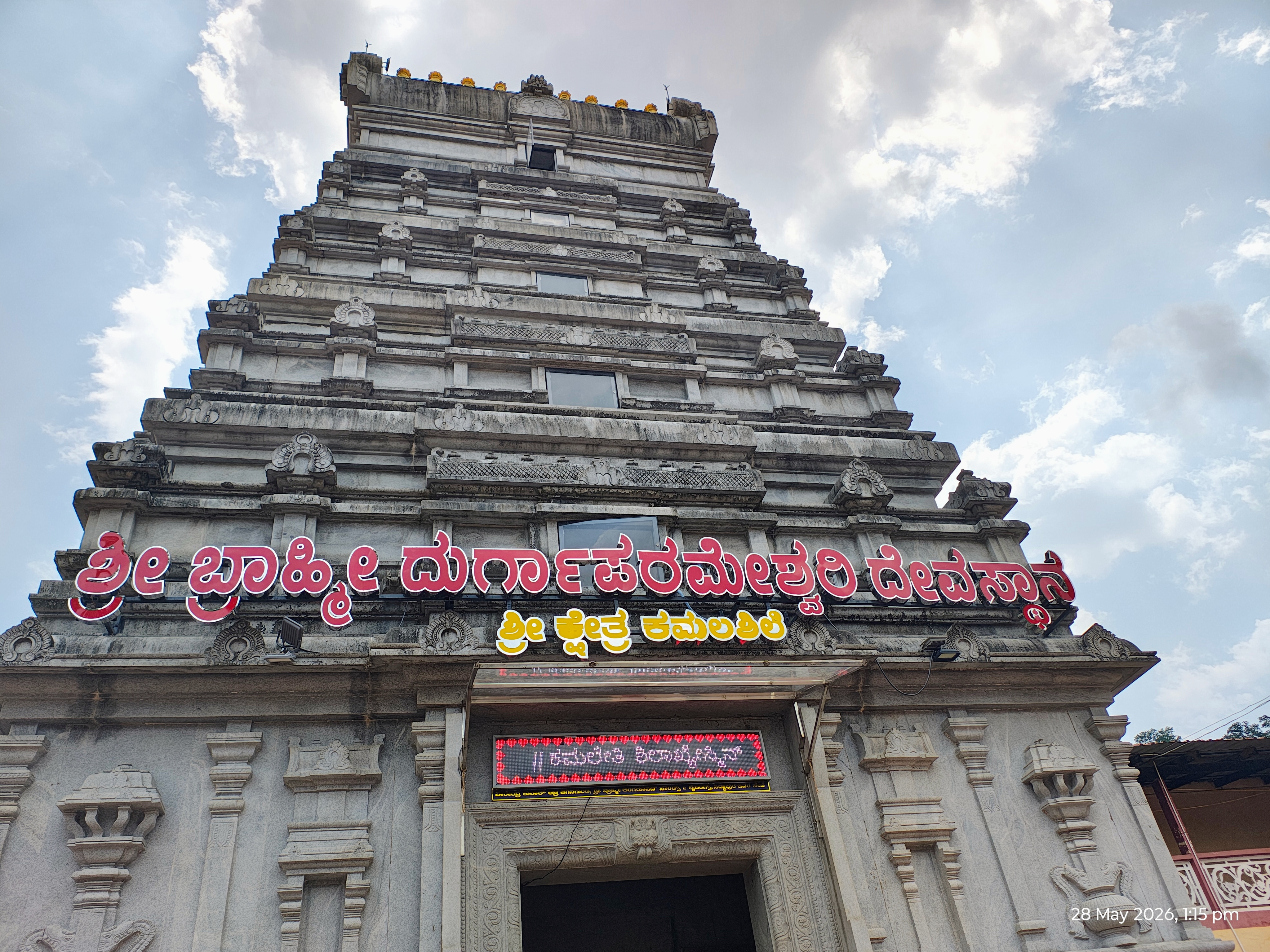
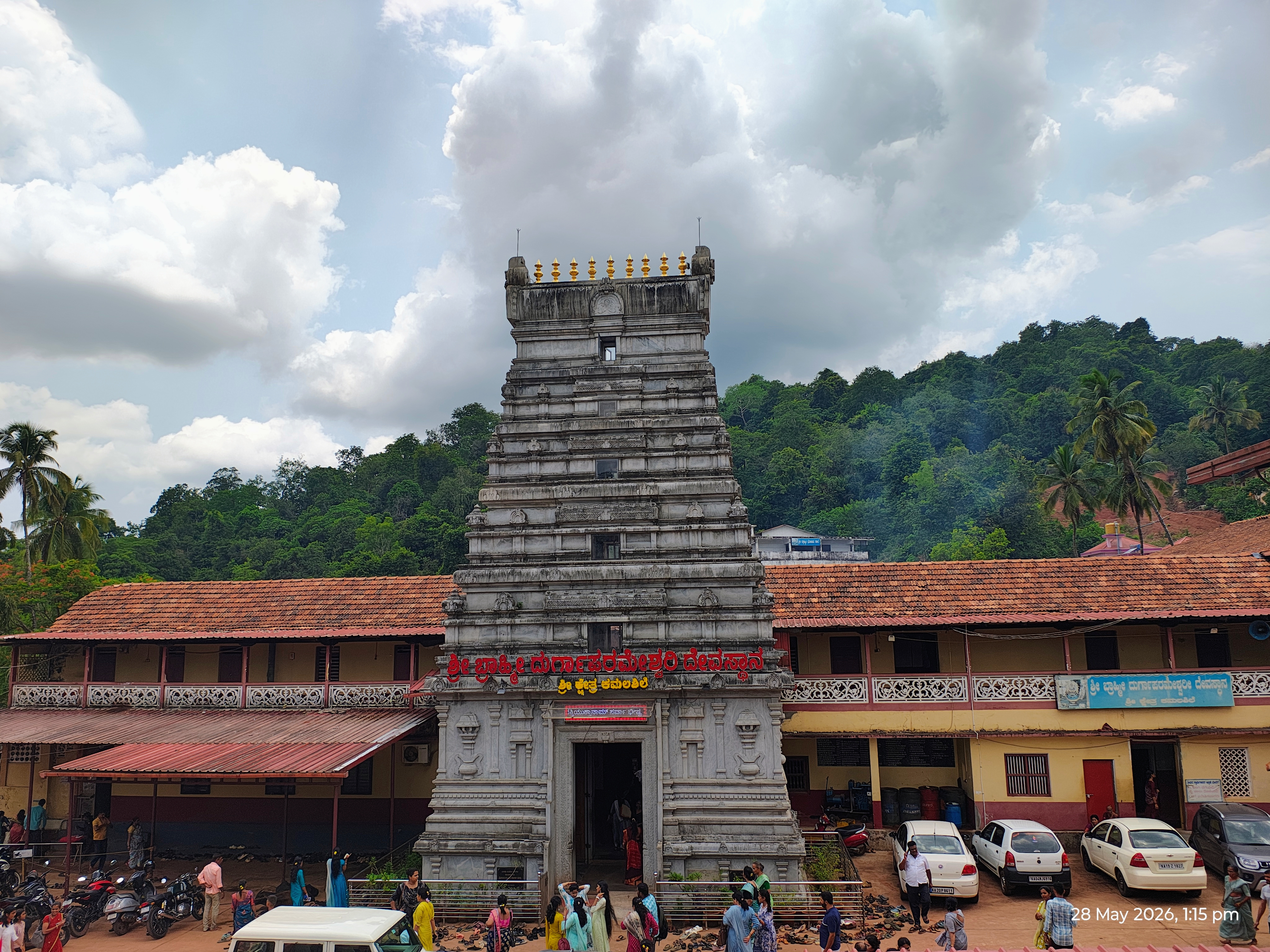
🚆 By train: Nearest Railway Station Kundapura Railway Station about 30km
✈️ By air: Mangalore International Airport about 117km
Places usually visited on the same trip.