Tucked into the lush, mountainous surroundings near the famous Kollur Mookambika Temple, the Masthi Amma Devi Temple (also known as Mastikatte) is a deeply revered and historic sacred site in the region. Surrounded by the tranquil greenery of the Sauparnika river valley, this shrine holds a special place in the spiritual landscape of local devotees.
According to local tradition and lore, Masthi Amma is worshipped as a protective guardian deity closely tied to the spiritual energy of Mother Mookambika. The temple is exceptionally famous for its traditional cradle vow (Tottilu Harake). Childless couples frequently visit this sacred sanctuary to offer special prayers and tie ceremonial miniature cradles, holding a deep-rooted faith that the Divine Mother blesses them with offspring. Pilgrims also gather here during festive and ritual days to seek divine protection, peace, and healing for their families.
ಕೊಲ್ಲೂರಿನ ಪ್ರಸಿದ್ಧ ಮೂಕಾಂಬಿಕಾ ದೇವಸ್ಥಾನದ ಸಮೀಪದಲ್ಲೇ ನೆಲೆಗೊಂಡಿರುವ ಮಾಸ್ತಿ ಅಮ್ಮ ದೇವಿ ಕ್ಷೇತ್ರವು (ಮಾಸ್ತಿ ಕಟ್ಟೆ) ಇಲ್ಲಿನ ಮತ್ತೊಂದು ಹಿರಿಯ ಹಾಗೂ ಪವಿತ್ರ ಧಾರ್ಮಿಕ ಕೇಂದ್ರವಾಗಿದೆ. ಸೌಪರ್ಣಿಕಾ ನದಿಯ ಆಸುಪಾಸಿನ ದಟ್ಟ ಹಸಿರು ಹಾಗೂ ಬೆಟ್ಟಗಳ ಪ್ರಶಾಂತ ಪರಿಸರದಲ್ಲಿರುವ ಈ ದೇವಸ್ಥಾನವು ಭಕ್ತರ ಪಾಲಿಗೆ ಆಳವಾದ ನಂಬಿಕೆಯ ತಾಣವಾಗಿದೆ.
ಸ್ಥಳೀಯ ಇತಿಹಾಸ ಹಾಗೂ ನಂಬಿಕೆಯ ಪ್ರಕಾರ, ಮಾಸ್ತಿ ಅಮ್ಮ ದೇವಿಯನ್ನು ತಾಯಿ ಮೂಕಾಂಬಿಕೆಯ ಸಹವರ್ತಿ ಅಥವಾ ಶಕ್ತಿಯ ಮತ್ತೊಂದು ರೂಪವಾಗಿ ಆರಾಧಿಸಲಾಗುತ್ತದೆ. ಈ ಕ್ಷೇತ್ರವು 'ತೂಟಿದ ಹರಕೆ' (ತೊಟ್ಟಿಲು ಹರಕೆ) ಗಾಗಿ ಅತ್ಯಂತ ಹೆಸರುವಾಸಿಯಾಗಿದೆ. ಮಕ್ಕಳಿಲ್ಲದ ದಂಪತಿಗಳು ಇಲ್ಲಿಗೆ ಭೇಟಿ ನೀಡಿ ಶ್ರದ್ಧೆಯಿಂದ ಪ್ರಾರ್ಥಿಸಿ, ದೇವರಿಗೆ ತೊಟ್ಟಿಲನ್ನು (ತೂಟಿ) ಸಮರ್ಪಿಸುವುದರಿಂದ ಸಂತಾನ ಭಾಗ್ಯ ಪ್ರಾಪ್ತಿಯಾಗುತ್ತದೆ ಎಂಬ ಗಾಢವಾದ ನಂಬಿಕೆ ಇದೆ. ವಾರ್ಷಿಕ ಉತ್ಸವಗಳ ಸಮಯದಲ್ಲಿ ಇಲ್ಲಿ ವಿಶೇಷ ಪೂಜೆಗಳು ಮತ್ತು ಧಾರ್ಮಿಕ ವಿಧಿ-ವಿಧಾನಗಳು ಜರುಗುತ್ತವೆ.
Kollur is best known for the renowned Sri Mookambika Temple, but the religious landscape around the village includes several smaller shrines connected closely with local traditions and beliefs. Masthi Amma Devi Temple is one such lesser-known shrine.
Located along the Kollur–Kundapura road, near the entrance arch of the Sri Mookambika Temple, this simple Devi shrine has a distinct place in the local religious landscape. Its importance comes less from grand architecture and more from the faith associated with the Goddess.
For visitors exploring the lesser-known spiritual places around Kollur, Masthi Amma Devi Temple offers a glimpse into the smaller forms of village and local deity worship that exist alongside the region's famous pilgrimage centre.
The principal deity worshipped here is Masthi Amma Devi.
The shrine is relatively simple compared with the large temple complexes for which Kollur is known. There is no elaborate architectural story that defines the place. Instead, the shrine's identity comes from the devotion of people who visit the Goddess and make personal vows.
This simplicity is part of what makes the shrine interesting. Around major pilgrimage centres, smaller local shrines often preserve traditions that are closely connected with the everyday religious life of the surrounding communities.
Masthi Amma is one such local presence in Kollur.
One of the best-known traditions associated with Masthi Amma Devi is the cradle offering made by couples praying for children.
Devotees who wish for a child are traditionally believed to pray to the Goddess and make a vow by tying or offering a small cradle at the shrine. The cradles seen around the shrine represent these personal prayers and hopes.
This practice gives the small shrine a very personal character. Rather than being associated only with large public festivals, its importance is also found in individual acts of devotion and vows.
For visitors, the cradle offerings are perhaps the most distinctive visual feature of the shrine and provide an insight into the kind of faith associated with Masthi Amma.
The religious identity of Kollur extends beyond the main Mookambika Temple.
The village and its surrounding areas have smaller shrines and local forms of deity worship that have continued alongside the major pilgrimage tradition. These places are often closely connected with the beliefs and practices of the local community.
Masthi Amma Devi Temple belongs to this wider sacred landscape.
Its location close to the main entrance area of the Mookambika pilgrimage centre makes the contrast particularly interesting. Thousands of visitors come to Kollur for the famous Goddess Mookambika, while smaller shrines such as Masthi Amma continue to serve their own local devotional traditions.
The significance of Masthi Amma Devi Temple does not come from a large temple structure or elaborate architecture.
Its identity is centred on the Goddess, local devotion and the tradition of making vows for children.
The cradle offerings around the shrine are a visible expression of this belief. They show how a small local shrine can become meaningful to families who come with personal prayers and hopes.
This is also what makes the place different from the better-known temples of the region. The focus here is intimate and local rather than monumental.
Visitors travelling to Kollur generally make the Sri Mookambika Temple the centre of their pilgrimage. But the smaller shrines around the village add another dimension to Kollur's religious character.
Masthi Amma Devi Temple is one of those places that can easily be overlooked because of its modest scale and its proximity to a much larger and more famous temple.
Yet the shrine preserves a local devotional tradition of its own.
The practice of offering a cradle as a vow for children gives the temple a particularly distinctive identity, while its position near the Kollur–Kundapura road places it within the wider pilgrimage landscape of Kollur.
Kollur's spiritual heritage is not represented only by its famous temple. It is also found in the smaller shrines, local deities and personal traditions that continue around the village.
Masthi Amma Devi Temple is a modest example of this wider tradition.
There is limited reliable published information about the shrine's exact founding period, detailed history or an extensive sthala purana. Rather than adding unverified stories, its known local tradition is worth presenting on its own terms.
Masthi Amma Devi Temple is a small but distinctive shrine near the heart of Kollur, where the worship of a local Goddess continues through a simple and deeply personal tradition of prayer and cradle offerings.
ಕೊಲ್ಲೂರು ಎಂದಾಕ್ಷಣ ಶ್ರೀ ಮೂಕಾಂಬಿಕಾ ದೇವಸ್ಥಾನವೇ ಎಲ್ಲರ ನೆನಪಿಗೆ ಬರುತ್ತದೆ. ಆದರೆ ಕೊಲ್ಲೂರಿನ ಧಾರ್ಮಿಕ ವಲಯದಲ್ಲಿ ದೊಡ್ಡ ಕ್ಷೇತ್ರದ ಜೊತೆಗೆ ಸ್ಥಳೀಯ ಜನರ ನಂಬಿಕೆ ಮತ್ತು ಆರಾಧನೆಯೊಂದಿಗೆ ಬೆಸೆದುಕೊಂಡಿರುವ ಕೆಲವು ಸಣ್ಣ ದೇವಿ ಸನ್ನಿಧಿಗಳೂ ಇವೆ. ಅವುಗಳಲ್ಲಿ ಮಾಸ್ತಿ ಅಮ್ಮ ದೇವಿ ದೇವಸ್ಥಾನವೂ ಒಂದು.
ಕೊಲ್ಲೂರು–ಕುಂದಾಪುರ ರಸ್ತೆಯಲ್ಲಿರುವ ಈ ಸಣ್ಣ ದೇವಿ ಸನ್ನಿಧಿ ಶ್ರೀ ಮೂಕಾಂಬಿಕಾ ದೇವಸ್ಥಾನದ ಸ್ವಾಗತ ಕಮಾನು ಸಮೀಪದಲ್ಲಿದೆ. ಹೊರನೋಟದಲ್ಲಿ ಸರಳವಾಗಿರುವ ಈ ಸ್ಥಳಕ್ಕೆ ಸ್ಥಳೀಯ ಭಕ್ತಿಯಲ್ಲಿ ತನ್ನದೇ ಆದ ಸ್ಥಾನವಿದೆ.
ಇಲ್ಲಿ ಮಾಸ್ತಿ ಅಮ್ಮ ದೇವಿಯನ್ನು ಆರಾಧಿಸಲಾಗುತ್ತದೆ. ದೊಡ್ಡ ದೇವಾಲಯಗಳಂತೆ ವಿಶಾಲವಾದ ಕಟ್ಟಡ ಅಥವಾ ಭವ್ಯವಾದ ವಾಸ್ತುಶಿಲ್ಪ ಇಲ್ಲಿನ ಪ್ರಮುಖ ಗುರುತಲ್ಲ. ಸರಳವಾದ ಸನ್ನಿಧಿಯಲ್ಲೇ ದೇವಿಯ ಆರಾಧನೆ ನಡೆಯುತ್ತದೆ.
ಈ ಸರಳತೆಯೇ ಸ್ಥಳದ ಸ್ವಭಾವವನ್ನು ವಿಭಿನ್ನವಾಗಿಸುತ್ತದೆ. ಕೊಲ್ಲೂರಿಗೆ ಬರುವ ಭಕ್ತರು ಶ್ರೀ ಮೂಕಾಂಬಿಕಾ ದೇವಿಯ ದರ್ಶನದೊಂದಿಗೆ ಸುತ್ತಮುತ್ತಲಿನ ಸ್ಥಳೀಯ ದೇವತಾ ಆರಾಧನಾ ಪರಂಪರೆಯನ್ನೂ ಗಮನಿಸಬಹುದು.
ಮಾಸ್ತಿ ಅಮ್ಮ ದೇವಿಯ ಸನ್ನಿಧಿಯ ಪ್ರಮುಖ ಸ್ಥಳೀಯ ನಂಬಿಕೆ ಸಂತಾನ ಪ್ರಾಪ್ತಿಗಾಗಿ ಹರಕೆ ಸಲ್ಲಿಸುವುದು.
ಸಂತಾನವಾಗದ ದಂಪತಿಗಳು ದೇವಿಯ ಬಳಿ ಪ್ರಾರ್ಥನೆ ಸಲ್ಲಿಸಿ ತೊಟ್ಟಿಲು ಕಟ್ಟುವ ಹರಕೆ ಮಾಡುತ್ತಾರೆ ಎಂಬ ನಂಬಿಕೆ ಇಲ್ಲಿದೆ. ಈ ಕಾರಣದಿಂದ ಮಾಸ್ತಿ ಅಮ್ಮನ ಸನ್ನಿಧಿ ವಿಶೇಷವಾಗಿ ಸಂತಾನಕ್ಕಾಗಿ ಪ್ರಾರ್ಥಿಸುವ ಭಕ್ತರಿಗೆ ಮಹತ್ವ ಪಡೆದಿದೆ.
ದೇವಾಲಯದ ಸುತ್ತಲೂ ಕಾಣಿಸುವ ತೊಟ್ಟಿಲುಗಳೇ ಈ ಸ್ಥಳೀಯ ಭಕ್ತಿಯ ಪರಂಪರೆಯನ್ನು ತೋರಿಸುವ ಪ್ರಮುಖ ಸಂಕೇತಗಳಾಗಿವೆ. ದೊಡ್ಡ ಧಾರ್ಮಿಕ ಕೇಂದ್ರಗಳ ನಡುವೆ ಇಂತಹ ಸಣ್ಣ ಸನ್ನಿಧಿಗಳು ಹೇಗೆ ತಮ್ಮದೇ ಆದ ನಂಬಿಕೆಗಳನ್ನು ಉಳಿಸಿಕೊಂಡಿವೆ ಎಂಬುದಕ್ಕೆ ಇದು ಒಂದು ಉದಾಹರಣೆ.
ಮೂಕಾಂಬಿಕಾ ಕ್ಷೇತ್ರಕ್ಕೆ ಬರುವ ಬಹುತೇಕ ಭಕ್ತರ ಮುಖ್ಯ ಗುರಿ ಶ್ರೀ ಮೂಕಾಂಬಿಕಾ ದೇವಿಯ ದರ್ಶನ. ಆದರೆ ಕೊಲ್ಲೂರಿನ ಧಾರ್ಮಿಕ ಪರಂಪರೆ ಒಂದೇ ದೇವಸ್ಥಾನಕ್ಕೆ ಸೀಮಿತವಾಗಿಲ್ಲ.
ಗ್ರಾಮದ ಸುತ್ತಲಿನ ಸಣ್ಣ ದೇವತಾ ಸನ್ನಿಧಿಗಳು ಸ್ಥಳೀಯ ಜನರ ನಂಬಿಕೆ, ಹರಕೆ ಮತ್ತು ಆರಾಧನಾ ಪದ್ಧತಿಗಳೊಂದಿಗೆ ಬೆಸೆದುಕೊಂಡಿವೆ. ಮಾಸ್ತಿ ಅಮ್ಮ ದೇವಿಯ ಸನ್ನಿಧಿಯೂ ಇದೇ ಸ್ಥಳೀಯ ಧಾರ್ಮಿಕ ಪರಿಸರದ ಒಂದು ಭಾಗವಾಗಿದೆ.
ಅದರ ವಿಶೇಷತೆ ಭವ್ಯತೆಯಲ್ಲಿ ಅಲ್ಲ; ಸ್ಥಳೀಯ ಜನರು ದೇವಿಯೊಂದಿಗೆ ಹೊಂದಿರುವ ನಂಬಿಕೆಯ ಸಂಬಂಧದಲ್ಲಿ ಇದೆ.
ಮಾಸ್ತಿ ಅಮ್ಮ ದೇವಿ ದೇವಸ್ಥಾನದ ಬಗ್ಗೆ ದೊರೆಯುವ ವಿವರಗಳು ಸೀಮಿತವಾಗಿದ್ದರೂ, ಈ ಸನ್ನಿಧಿಯ ಪ್ರಮುಖ ಗುರುತು ಸ್ಪಷ್ಟವಾಗಿದೆ — ಇದು ಕೊಲ್ಲೂರಿನ ಮೂಕಾಂಬಿಕಾ ಕ್ಷೇತ್ರದ ಸಮೀಪದಲ್ಲಿರುವ ಸ್ಥಳೀಯ ದೇವಿ ಆರಾಧನಾ ಕೇಂದ್ರ ಮತ್ತು ಸಂತಾನಕ್ಕಾಗಿ ಹರಕೆ ಸಲ್ಲಿಸುವ ಭಕ್ತಿಯೊಂದಿಗೆ ಸಂಬಂಧ ಹೊಂದಿರುವ ಸಣ್ಣ ಕ್ಷೇತ್ರ.
ಇಲ್ಲಿ ಪುರಾತನ ರಾಜವಂಶಗಳು, ದೊಡ್ಡ ಶಾಸನಗಳು ಅಥವಾ ವಿಶಾಲ ವಾಸ್ತುಶಿಲ್ಪದ ಬಗ್ಗೆ ಖಚಿತ ದಾಖಲೆಗಳು ದೊರೆಯುವುದಿಲ್ಲ. ಆದ್ದರಿಂದ ಅಂತಹ ಇತಿಹಾಸವನ್ನು ಕಲ್ಪಿಸಿ ಸೇರಿಸುವ ಬದಲು, ಮಾಸ್ತಿ ಅಮ್ಮನ ಸ್ಥಳೀಯ ಆರಾಧನಾ ಪರಂಪರೆಯನ್ನೇ ಈ ಕ್ಷೇತ್ರದ ಮುಖ್ಯ ಗುರುತಾಗಿ ನೋಡುವುದು ಸೂಕ್ತ.
ಕೊಲ್ಲೂರಿನ ಪ್ರಸಿದ್ಧಿಯನ್ನು ಶ್ರೀ ಮೂಕಾಂಬಿಕಾ ದೇವಸ್ಥಾನವೇ ಮುನ್ನಡೆಸಿದರೂ, ಅದರ ಸುತ್ತಲಿನ ಸಣ್ಣ ಸನ್ನಿಧಿಗಳು ಈ ಕ್ಷೇತ್ರದ ಸ್ಥಳೀಯ ಧಾರ್ಮಿಕ ಬದುಕಿಗೆ ಮತ್ತೊಂದು ಮುಖವನ್ನು ನೀಡುತ್ತವೆ.
ಮಾಸ್ತಿ ಅಮ್ಮ ದೇವಿ ದೇವಸ್ಥಾನವೂ ಅಂತಹ ಒಂದು ಸ್ಥಳ. ಕೊಲ್ಲೂರು–ಕುಂದಾಪುರ ರಸ್ತೆಯ ಪಕ್ಕದಲ್ಲೇ ಇರುವ ಈ ಸಣ್ಣ ಸನ್ನಿಧಿ, ದೊಡ್ಡ ಕ್ಷೇತ್ರದ ನೆರಳಿನಲ್ಲಿ ಹೆಚ್ಚು ಗಮನಕ್ಕೆ ಬಾರದಿದ್ದರೂ, ತನ್ನದೇ ಆದ ಭಕ್ತಿಪರಂಪರೆಯನ್ನು ಹೊಂದಿದೆ.
ಸಂತಾನಕ್ಕಾಗಿ ಪ್ರಾರ್ಥಿಸಿ ತೊಟ್ಟಿಲು ಕಟ್ಟುವ ಹರಕೆ ಈ ಸನ್ನಿಧಿಯೊಂದಿಗೆ ಬೆಸೆದುಕೊಂಡಿರುವ ಪ್ರಮುಖ ನಂಬಿಕೆ. ಆ ಕಾರಣದಿಂದ ಮಾಸ್ತಿ ಅಮ್ಮ ದೇವಿಯ ಆರಾಧನೆ ಕೊಲ್ಲೂರಿನ ಧಾರ್ಮಿಕ ಬದುಕಿನಲ್ಲಿ ತನ್ನದೇ ಆದ ಸ್ಥಾನವನ್ನು ಪಡೆದುಕೊಂಡಿದೆ.
ಕೊಲ್ಲೂರಿನ ದೊಡ್ಡ ಕ್ಷೇತ್ರದ ಜೊತೆಗೆ ಅದರ ಸುತ್ತಲಿನ ಸ್ಥಳೀಯ ದೇವತಾ ಆರಾಧನೆಯನ್ನು ತಿಳಿದುಕೊಳ್ಳಲು ಬಯಸುವವರಿಗೆ ಮಾಸ್ತಿ ಅಮ್ಮ ದೇವಿ ದೇವಸ್ಥಾನ ಒಂದು ಸಣ್ಣದಾದರೂ ವಿಶಿಷ್ಟವಾದ ತಾಣ.
Timings and fees may change. Please confirm locally before travelling.
🚆 By train: Nearest railway station Byndoor Mookambika road railway station about 28km
✈️ By air: Mangalore International Airport about 128km
🧭 Places usually visited on the same trip.
Distances are straight-line — the drive is usually longer, especially on Ghat roads.
 🛕 temples
 🛕 temples
 🛕 temples
 🛕 temples
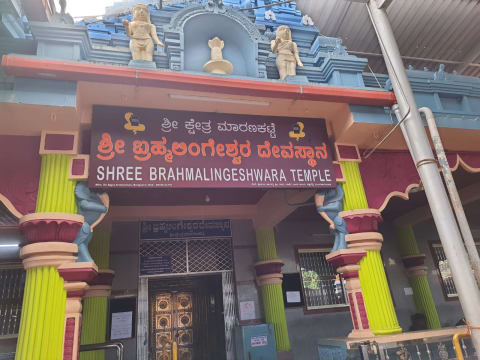 🛕 temples
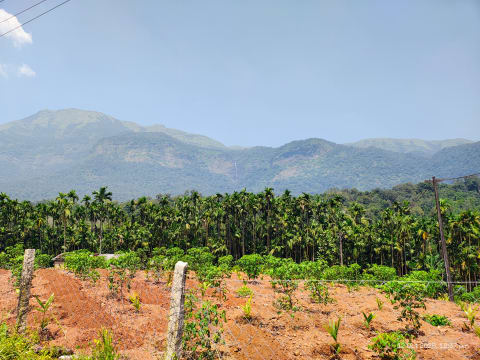 ⛰️ hills
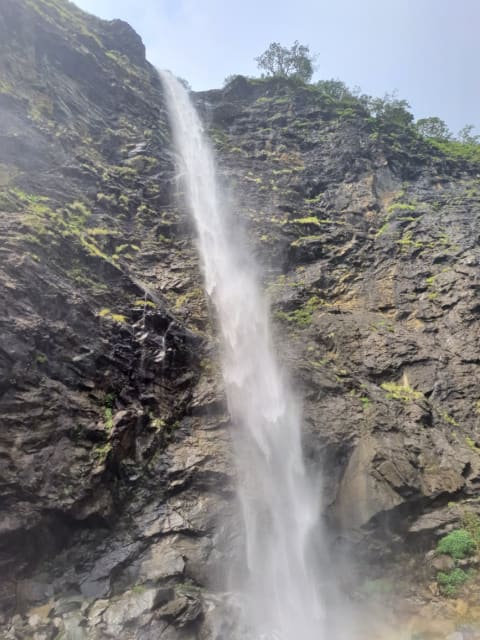 💧 waterfalls
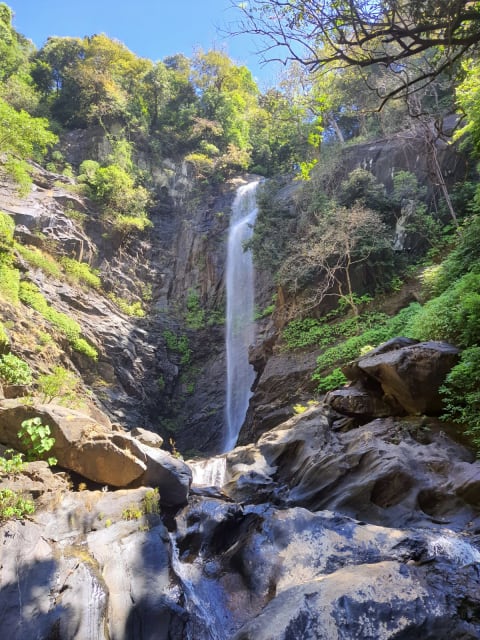 💧 waterfalls